TeamLab Borderless vs Planets — which is better?
Tokyo's most spectacular digital art — tickets, timing and which one suits you.
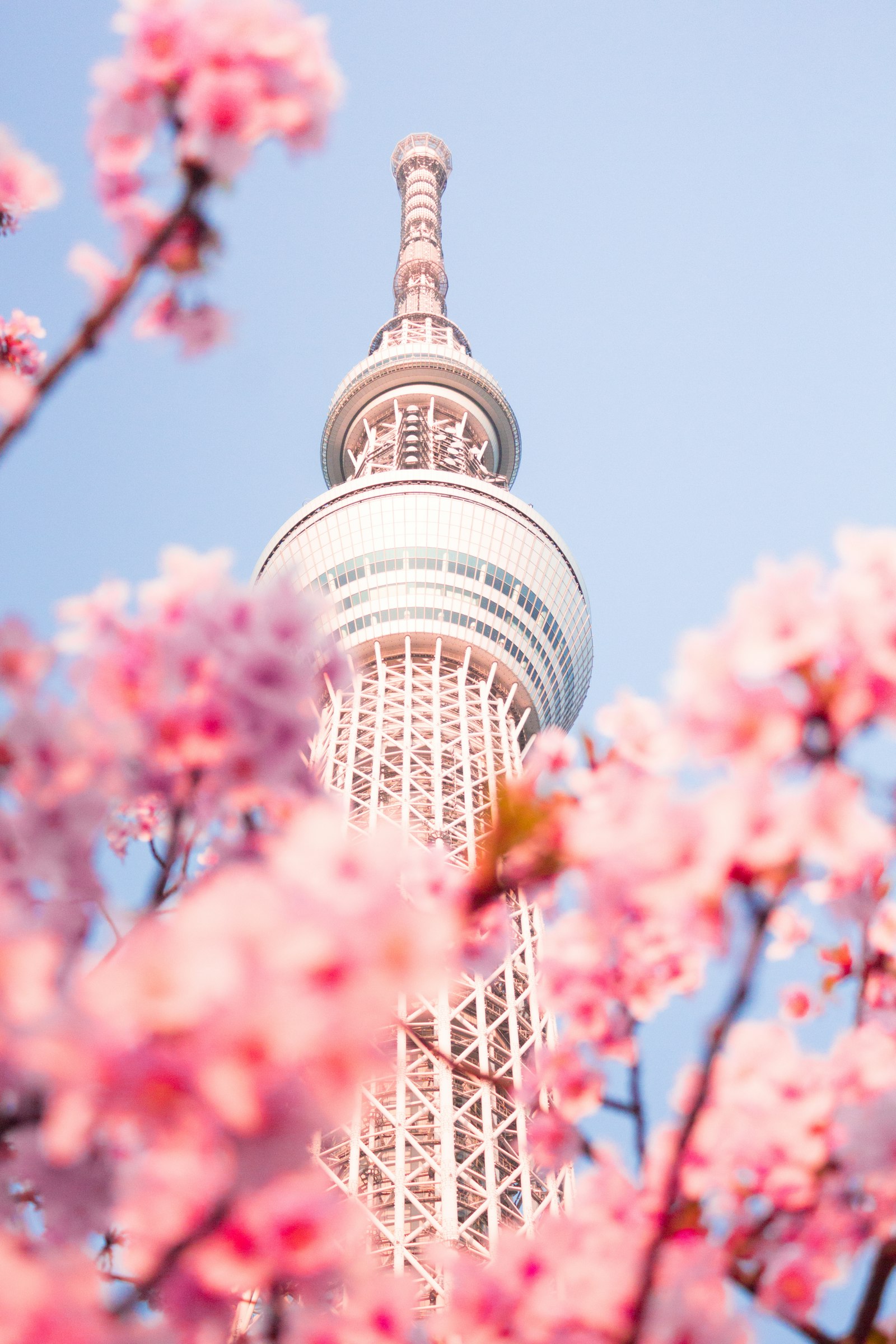
Japan's electric capital. Ancient temples, neon-lit alleys, world-class food and experiences unlike anywhere else on earth.
Tokyo is the world's greatest city for first-time visitors and experienced travellers alike. This Tokyo travel guide covers every neighbourhood: central Tokyo's neon lit streets, ancient shrines, world-class sushi restaurants, themed restaurants, top attractions and the best spots to stay. From visiting Tokyo for three days to a full two-week Japan trip — this guide covers everything food lovers, culture travellers and first-time visitors need.
Shibuya Crossing is the world's busiest pedestrian intersection — the best first attraction on any Tokyo travel trip. Shibuya station is a prime location: good department stores, bright signs and easy access to every neighbourhood. Shibuya offers numerous tiny cafes and izakayas. Walk from Shibuya station to Harajuku in 10 minutes.
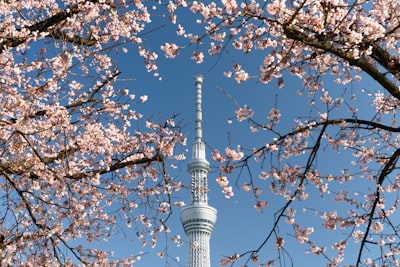
Tokyo Skytree stands at 634 metres tall above Tokyo Bay — sweeping city views over southern Tokyo and beyond. Walking distance to Old Tokyo's temple grounds in Asakusa. A top attraction for food lovers who want sushi restaurants and soba noodles nearby.
Meiji Shrine honors Emperor Meiji and Empress Shoken — surrounded by over 100,000 trees with a quiet atmosphere. Yoyogi Park is right next to the shrine, free to visit and popular for hanami. Walking paths lead to Harajuku's street food stalls and the shopping complex on Takeshita Street.
Senso-ji is Tokyo's oldest and most visited temple. Visitors can rent kimonos for photoshoots in Asakusa near the temple grounds. The Nakamise shopping complex offers traditional sweets, great souvenirs and Japanese culture — a hidden gem for first trip visitors.
Click any spot to learn more

Ivan Shirokov
Author
"Tokyo rewards those who wander. Skip the obvious and explore the backstreets of Yanaka, the jazz bars of Shimokitazawa, and the hidden ramen counters of Shinjuku. I've been here dozens of times and still discover something new every visit."
Tokyo offers top attractions for every type of traveller. teamLab Borderless is an immersive digital art museum with live demonstrations — one of the world's most popular digital art experiences. Omoide Yokocho features tiny bars and food stalls near Shinjuku station. Akihabara is known for themed cafes and izakayas alongside electronics shops. Tokyo offers food lovers, culture travellers and first-time visitors a world-class experience on every trip.
The Tokyo National Museum in Ueno is a good guide to Japanese culture — free to browse the gardens. Akihabara is known for themed cafes and izakayas alongside anime shops. teamLab Borderless is an immersive digital art museum offering live demonstrations — book tickets early. Top attractions in Tokyo take 1–3 hours each. Shibuya Crossing, Meiji Shrine and Senso-ji are free top attractions for first trip visitors. Tokyo offers a good mix of free and paid attractions making it great value for every budget.
Yoyogi Park is a good free spot — popular on weekends with locals and visiting Tokyo tourists alike. Walking paths through the park connect to Meiji Shrine and southern Tokyo's quiet neighbourhoods. The Imperial Palace East Garden offers walking paths through traditional Japanese garden space — free to visit. Each park visit takes about an hour making day planning easy. The area around Yoyogi Park is a good hidden gem away from the busiest tourist attractions in the city.
Tokyo Tower stands 333 metres tall — a good spot for sweeping city views and skyline views at night. Rooftop bars in the area offer good city views. The walking distance from Tokyo Tower to Zojoji temple grounds makes it a good combined visit — about an hour for both spots. Tokyo Tower is a popular landmark for photos and a prime location for evening walks in the city.
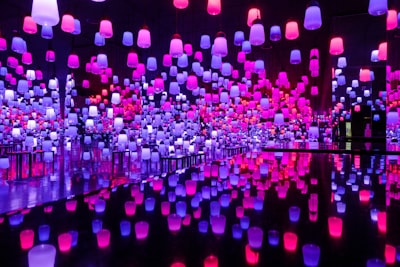 Art
ArtTeamLab Borderless vs Planets — which is better?
Tokyo's most spectacular digital art — tickets, timing and which one suits you.
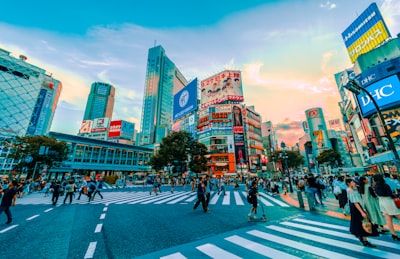 Iconic
Shibuya Crossing — what to know before you go
The world's busiest pedestrian crossing — when to visit and where to watch from.
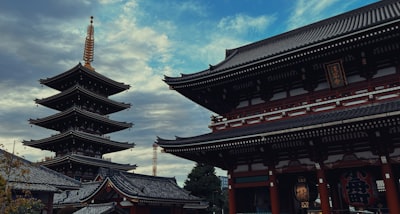 Temple
Senso-ji Temple — Tokyo's ancient heart
Tokyo's oldest temple — how to visit and the best time to go.
Coming Soon

Best hotels in Tokyo range from the Okura Tokyo with sweeping city views to budget friendly capsule hotels near every major station. Park Hyatt Tokyo offers luxury accommodations with skyline views — each room feels spacious with a modern interior and city views. Asakusa features traditional hotels like The Gate Hotel with good city views and easy access to temple grounds. Shibuya offers budget-friendly hotels like Dormy Inn for $130/night — a good prime location near Shibuya station. Akihabara has affordable boutique options starting at $80/night. Book early — popular hotel rooms sell out fast, especially during cherry blossom season.
Capsule hotels offer a budget friendly and uniquely Japanese experience — each room feels compact but well-designed with a modern interior. Great value for solo travellers: rooms include clean shower areas, vending machines in the lobby and often a good coffee shop. Capsule hotels near Shinjuku station offer easy access to every part of the city. Book early for the best rates — popular capsule hotel rooms sell out fast on busy trip weekends.
Shinjuku is lively and well-connected, ideal for first-time visitors — good transport from Shinjuku station takes you to every area of the city. Rooms near Shibuya station offer easy access to southern Tokyo and great day trip destinations. Asakusa is a good neighbourhood for visiting Tokyo on a first trip — quiet atmosphere, walking distance to temple grounds and great souvenirs. Book early for the best hotel rates in every neighbourhood. Every neighbourhood in Tokyo offers easy access to train stations.
 Hotels
Best hotels in Shinjuku — where to stay near everything
Central, vibrant and well-connected. The best base for first-time visitors.
Coming SoonAsakusaStaying in Asakusa — Tokyo's most traditional neighborhood
Old Tokyo charm, great transport links and lower prices than central districts.
Coming Soon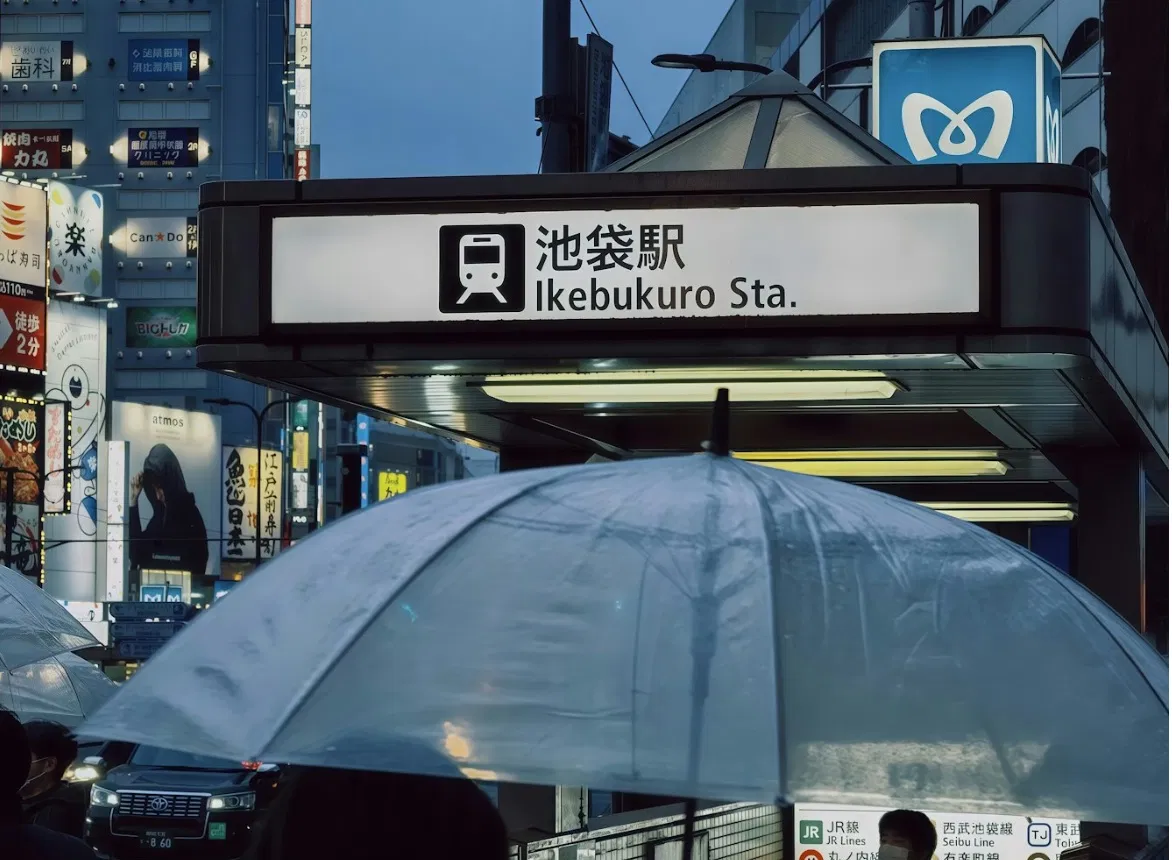 Budget
Ikebukuro — Tokyo's best-value neighborhood
Often overlooked — which means better value and easy metro access.
Coming Soon

Tokyo's public transport system is clean, efficient, and punctual. The Yamanote Line is a circular train route around Tokyo — trains run every 2–4 minutes. A Suica or Pasmo card covers all trains, buses and vending machines with no extra cost. Google Maps provides public transit directions in English. Suica cards are widely used for Tokyo's public transport — buy one at Narita Airport or Haneda Airport on arrival. Comfortable footwear is essential for navigating Tokyo's walking areas.
 Metro
MetroTokyo metro guide — the world's busiest subway
IC cards, line colours and the smartest routes — everything first-timers need.
Coming Soon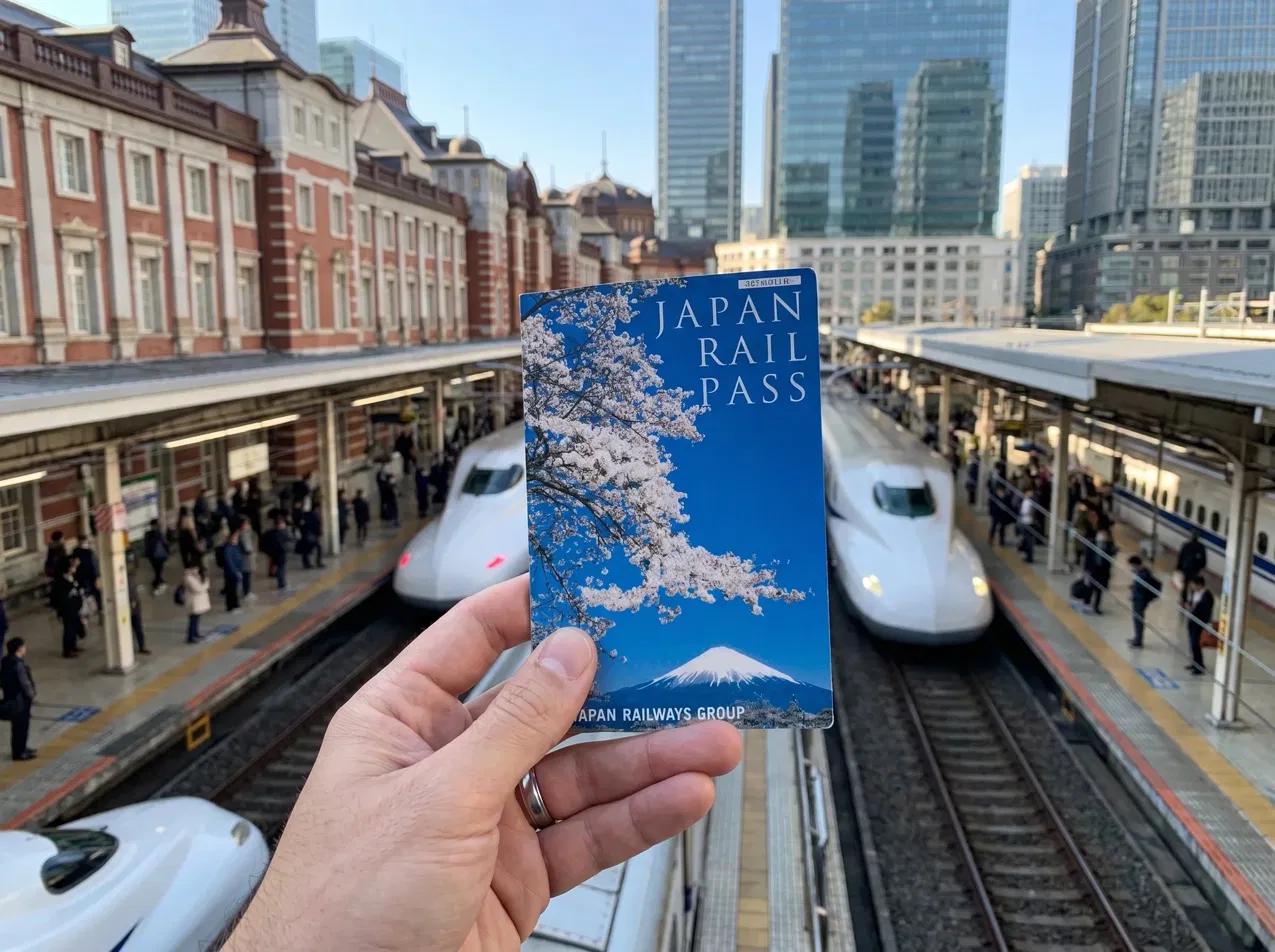 JR Pass
JR Pass guide — is it worth it for your trip?
The JR Pass saves money if you travel beyond Tokyo. When to buy and when to skip.
Coming Soon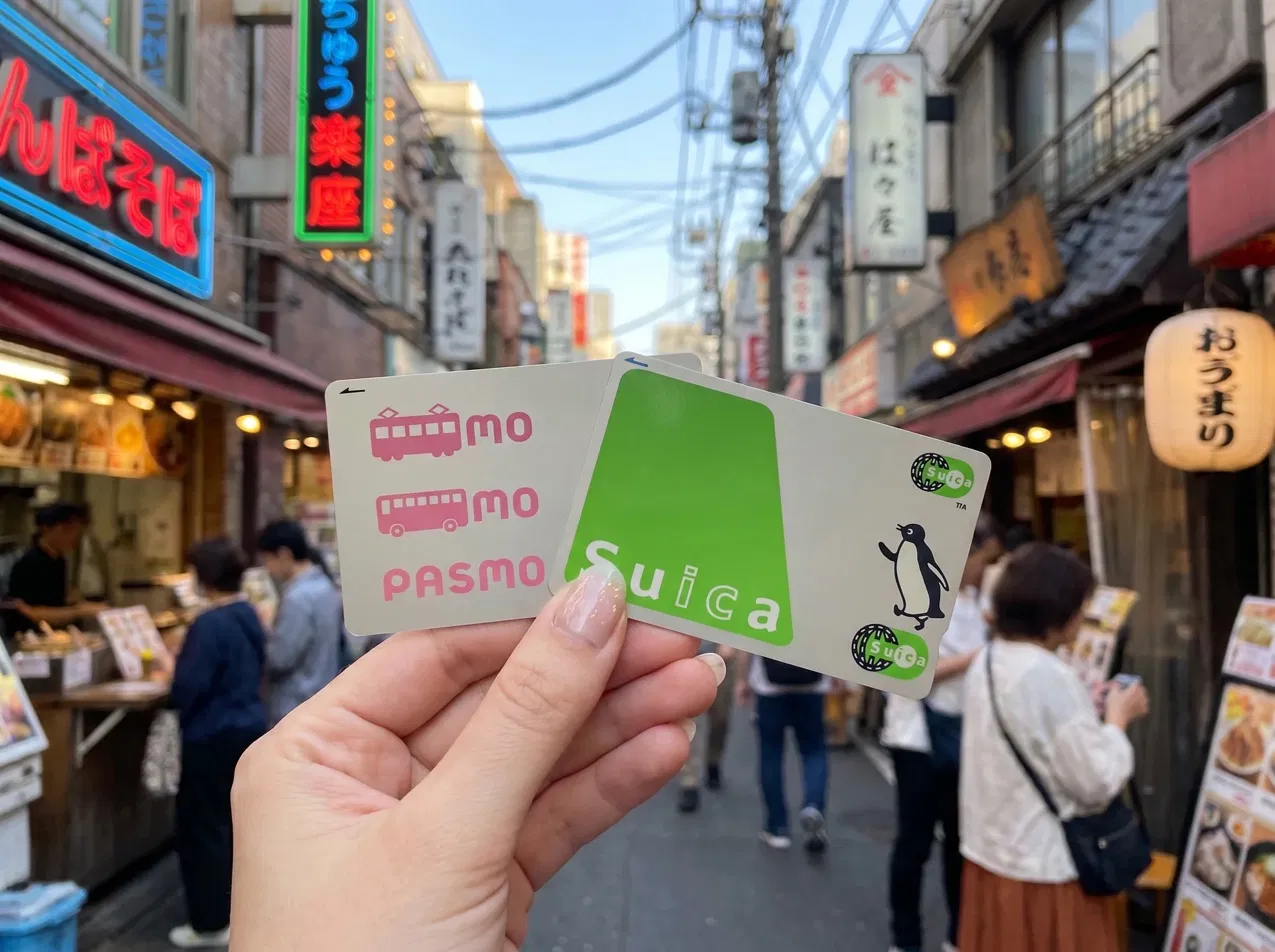 IC Card
Suica & Pasmo — the only cards you need
Load once and tap everywhere — trains, buses, convenience stores, vending machines.
Coming SoonTokyo has two main airports — Narita International Airport and Haneda Airport. Narita Express takes about 1–1.5 hours to reach central Tokyo from Narita International Airport. Haneda Airport is 30 minutes from Shinjuku station — one of the most convenient airports for visiting Tokyo. Both airports offer good transport links to central Tokyo stations. Buy a Suica or Pasmo card at either airport — no extra cost on every train and bus. Narita Airport has English signs at all major stations making it easy for first-trip visitors.
Tokyo Station is the main hub for Shinkansen trains to major cities — a good spot to book day trip tickets to Kyoto, Osaka and Mount Fuji about an hour away. Shinjuku Station is the world's busiest station. The Yamanote Line train stops at all major stations — trains run every few minutes. IC card readers at all stations let you tap in and out with no extra cost. Google Maps shows train routes from every station in English.
Tokyo trains run until midnight — after that, night buses cover main areas. Japan partially operates on a cash-based economy — carry cash for smaller shops and noodle bars in Japan. Public trash cans are rare in Japan. Smoking is prohibited on the streets in many parts of Tokyo. Many public bathrooms in Japan do not have paper towels. Eating while walking is generally frowned upon in Japan. Physical affection like handshakes is not common in Japanese culture.
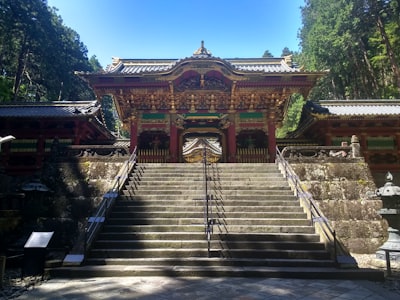
Tokyo sits at the centre of Japan's Shinkansen network. Mount Fuji is about an hour from central Tokyo — one of the top attractions for visiting Tokyo on a first trip. Nikko's shrines and Kamakura's temples are within 1–2 hours by train. Kyoto and Osaka are 2–2.5 hours by Shinkansen from Tokyo Station. Book early for popular day trip routes.
 1.5 hrs
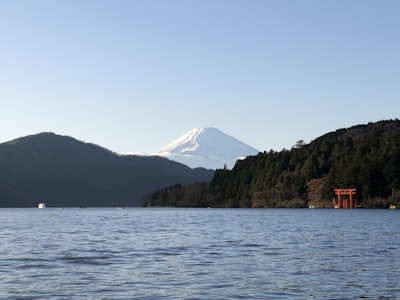
Hakone — Mt Fuji views and hot springs
The classic day trip from Tokyo. Ropeway, open-air museum and Fuji-san on a clear day.
 2 hrs
2 hrsNikko — gilded shrines and mountain forests
The legendary Toshogu shrine and cedar forests — a UNESCO World Heritage day trip.
Coming Soon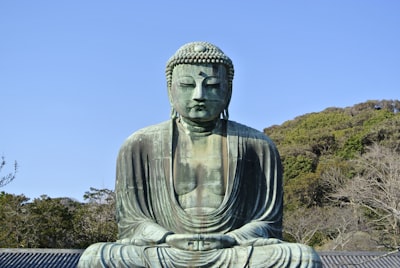 1 hr
1 hrKamakura — the Great Buddha by the sea
A 13-metre bronze Buddha, peaceful Zen gardens and a short walk to the ocean.
Coming SoonTakeshita Street is lined with bright signs, fashion shops and street food stalls — melon pan, crepes and good coffee. Harajuku is famous for colorful street food stalls and the shopping complex continues to Omotesando's luxury boutiques for great souvenirs on your first trip to Japan. Akihabara is the world's best district for electronics, anime and manga — great value shops for food lovers of Japanese culture.
Shibuya offers good department stores, street-level shops and a good coffee shop on every corner. Cash is often required at smaller shops and noodle bars in Japan. Ginza is Tokyo's most popular luxury shopping district. Shimokitazawa is a hidden gem neighbourhood popular for vintage shops — great value finds at low prices. Shinjuku's shopping area is popular at night — a good spot for visitors staying in the neighbourhood.
 Harajuku
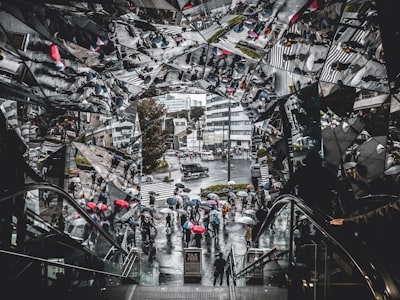
Harajuku shopping guide — Takeshita Street and beyond
Kawaii fashion, vintage stores and designer boutiques — the complete guide.
Coming Soon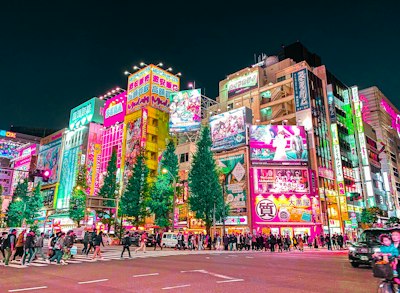 Akihabara
Akihabara — anime, manga and tech
Electric Town — manga, figures, retro games and electronics at the best prices.
Coming Soon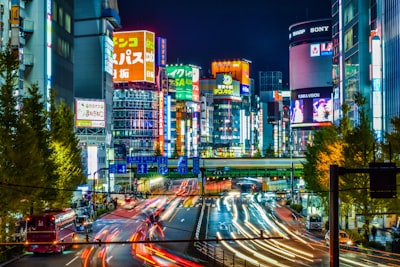 Shibuya
Shibuya shopping — 109, Hikarie and beyond
The best malls, vintage shops and department stores in Shibuya.
Coming SoonLate March to early April for cherry blossoms — the most popular time for visiting Tokyo. Tokyo's cherry blossom season centers on hanami gatherings in Yoyogi Park. October–November for autumn foliage with fewer crowds. Weekdays are quieter at major temple grounds and parks. Avoid Golden Week (late April–May) when transport and hotels fill up. Book early for cherry blossom season — popular hotel rooms sell out months in advance.
Three days covers Shibuya, Shinjuku, Asakusa and one day trip. Five to seven days lets you visit every neighbourhood at a relaxed pace — museums, temples, shopping and day trips. First-time visitors almost always recommend staying longer than you plan.
Budget: $40–55/day using convenience stores and capsule hotels — budget friendly and great value. Mid-range: $100–170/day with a good hotel near Shinjuku station. A Suica or Pasmo card covers all transport with no extra cost. Many temple grounds, shrine visits, parks and gardens are free to visit. Sushi restaurants and soba noodle bars offer great value meals from $5.
Get a Suica or Pasmo card at Narita Airport or Haneda Airport — easy access to all trains with no extra cost. Cash is often required at smaller shops and noodle bars in Japan. Tipping is not practiced in Japan and can be seen as rude. Comfortable footwear is essential for navigating Tokyo's walking areas. Many public bathrooms in Japan do not have paper towels. Public trash cans are rare in Japan. Google Maps provides good public transit directions in English. Book early for popular tours, sushi restaurants and hotel rooms.
Ramen, sushi and soba noodles at neighbourhood sushi restaurants from $5 — great value for food lovers. Izakayas serve good small plates with sake and beer. Harajuku is famous for melon pan and street food stalls. Omoide Yokocho tiny bars in Shinjuku at night. Toyosu Market for fresh sushi at 6 a.m. Matcha latte from a good coffee shop on Takeshita Street. Traditional sweets from Asakusa's shops near the temple grounds.