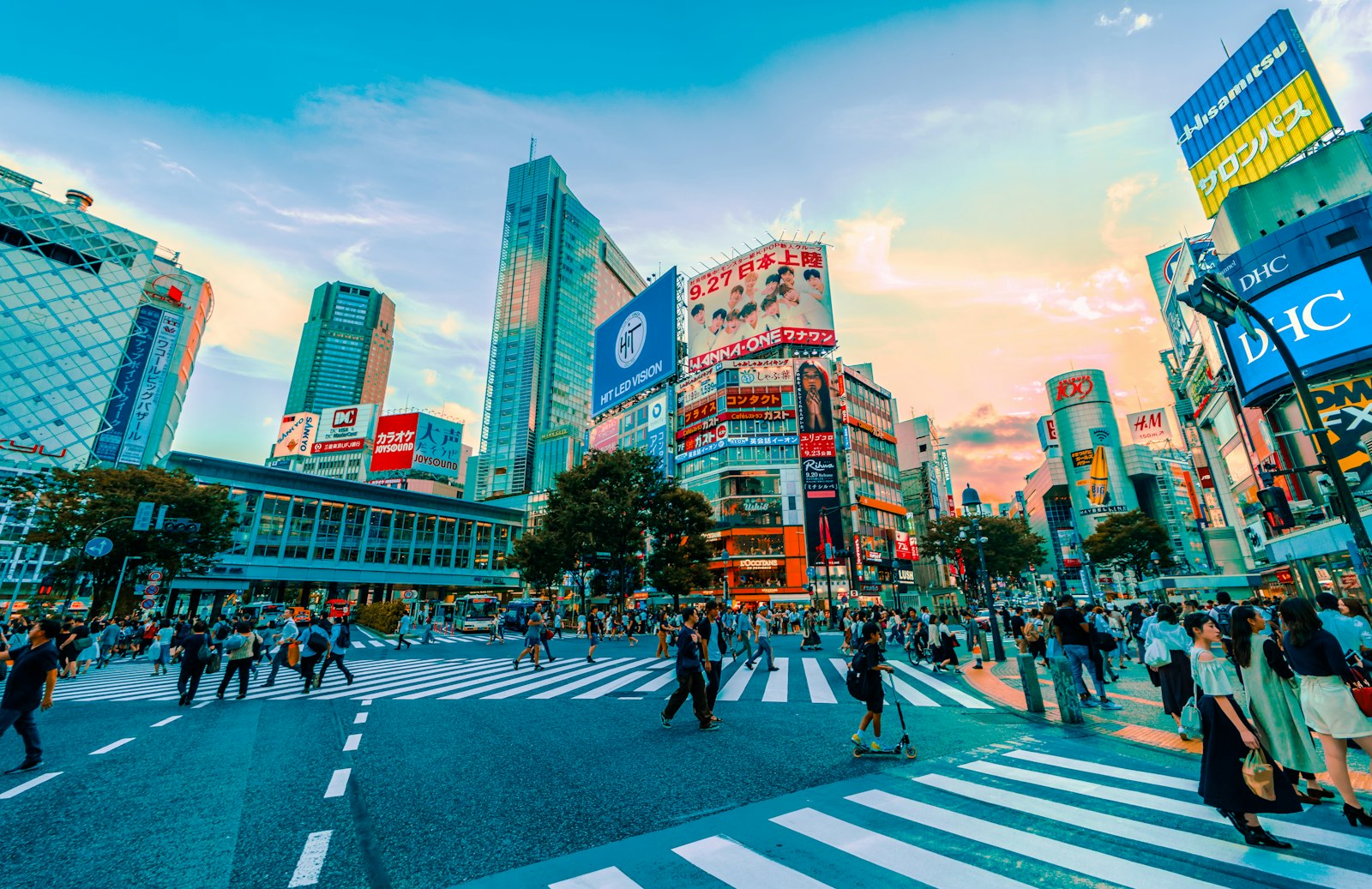

"Shibuya Crossing at rush hour, in the rain, when umbrellas turn the whole intersection into a field of moving dots — that's when it becomes genuinely extraordinary. Stand on the corner and just watch the first few cycles before you cross."
Shibuya Crossing Tokyo — World's Busiest Pedestrian Crossing
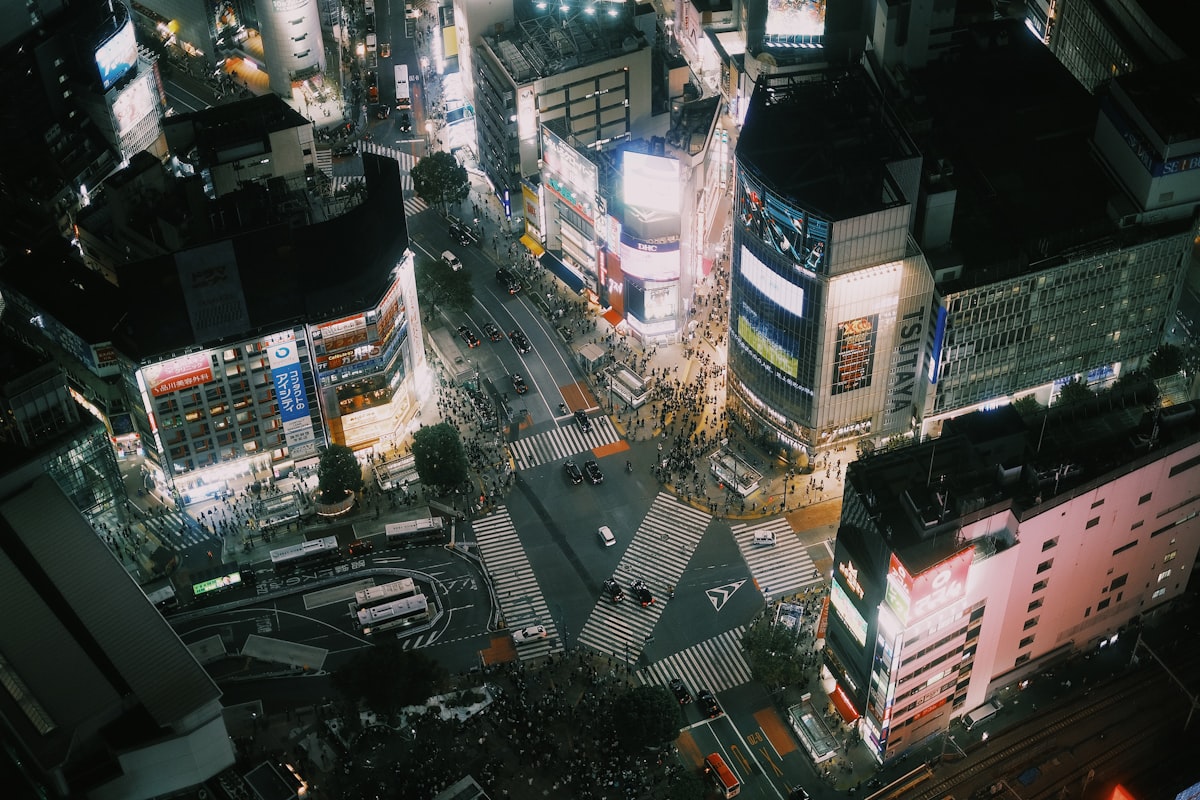
Shibuya Crossing is the world's busiest pedestrian crossing. Located in Shibuya City, Tokyo, the scramble crossing halts all vehicle traffic from 6 directions simultaneously while people crossing flood the intersection from every corner. Up to 2,500 pedestrians cross per light change — between 50,000 and 70,000 people crossing every hour at peak times.
The famous crossing sits at the junction of five roads in front of Shibuya Station. It is referred to as a "scramble" crossing because pedestrians can cross in every direction — including diagonally — while vehicles stop. No other scramble in the world operates at this volume. The Shibuya scramble crossing is a global symbol of Tokyo's urban energy and has passed into popular culture through film, music, and advertising.
Shibuya Crossing — Key Facts
- The Shibuya scramble crossing features a "scramble" design where traffic stops in all directions simultaneously
- 2,500 people crossing per light change — 50,000 to 70,000 per hour at rush hour
- Surrounded by large digital billboards and large artwork video installations on all sides
- The intersection is the busiest pedestrian crossing in Japan and in the world
- Shibuya crossing is a popular backdrop for films, music videos, song and TV commercials
- The area around Shibuya Crossing is a birthplace of fashion and pop culture trends in Japan
- Shibuya Crossing is wheelchair accessible — curb cuts allow easy movement, Shibuya Station has elevators and accessible restrooms
Shibuya Scramble Crossing — History and Cultural Significance
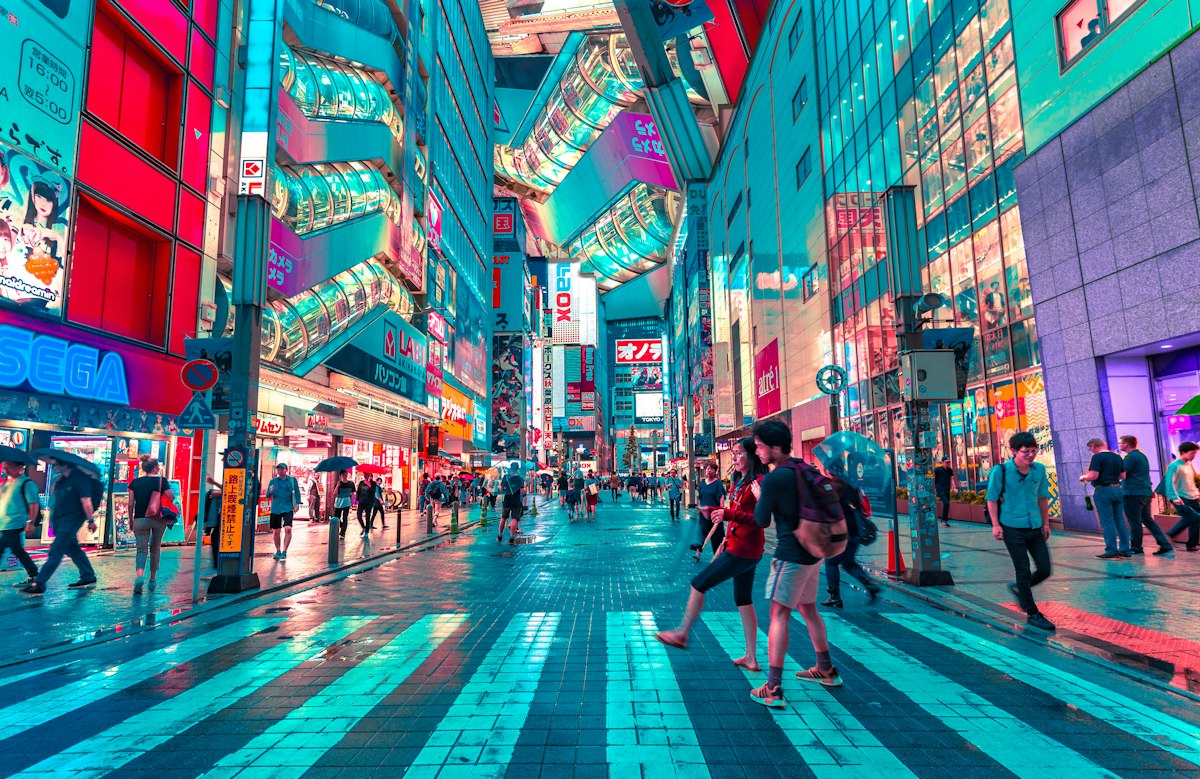
Shibuya crossing became a famous crossing globally through its role in Japanese pop culture and international film. It has been exhibited in documentaries, featured in advertising campaigns, and used to promote Tokyo as a symbol of modern Japan. The scramble crossing is often compared to Oxford Circus in London — but no crossing in London matches the number of pedestrians or the direction flow of the Shibuya scramble.
Shibuya crossing symbolizes Tokyo's vibrant urban culture. Large artwork and digital displays exhibited on the surrounding buildings add to the visual spectacle. The crossing sits in front of Shibuya Station — one of Japan's busiest railway hubs. The translation of "Shibuya" means "bitter valley" — the history of the area traces back to a settlement that passed through the valley below what is now the station.
Shibuya City — Best Time to Visit
- Rush hour (5–8 pm weekdays): Maximum pedestrian volume. The scramble crossing is at its most intense. Best time for photos from above.
- Golden hour before sunset: The best time for photography — warm light hits the crossing and the surrounding Shibuya city neon begins to glow.
- Rainy evenings: Umbrellas viewed from the second story Starbucks or Shibuya Sky make this one of the most photogenic spots in Tokyo.
- Mid-morning (10–11 am): Mid-morning is quieter for visiting Shibuya crossing — still active but without peak-hour crowds.
- October (Halloween): Shibuya crossing hosts street events in October for Halloween — one of the largest spontaneous events in Tokyo. Fun to watch, chaotic to be in the middle of.
- Late night (after 11 pm): Nightlife crowds replace commuters. The crossing stays busy; Shibuya center gai and the surrounding area stay active until early morning.
Shibuya Scramble — Where to Watch the Crossing
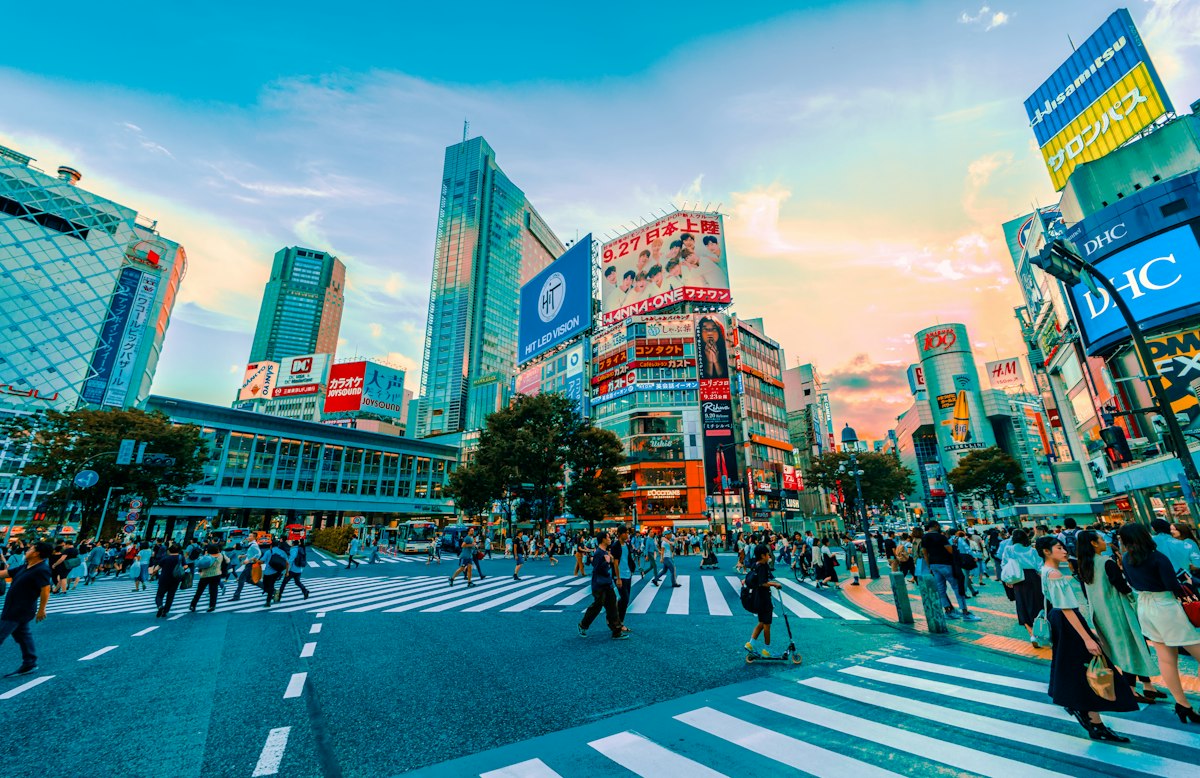
The best viewing spots for the Shibuya scramble crossing cover three levels:
- Shibuya Sky rooftop: The observation deck on top of Shibuya Scramble Square gives a direct overhead view of the crossing. Tickets ¥2,000 — book in advance. Dusk slots sell out fastest. The view is the single best spot to watch the scramble crossing from above.
- Starbucks second story: The Starbucks inside the Tsutaya building on the Shibuya center gai side has a second story window seat directly facing the intersection. Free — arrive early for a spot. The second story view is at eye-level with the crowds, making for a different kind of photo.
- Mag's Park rooftop (free): The Q-Front building rooftop offers an elevated view at no cost. A good alternative spot to watch from above.
- Street level: Stand at the corner near the Hachiko exit and watch 2–3 signal cycles before crossing. The flow of people crossing from every direction is the defining experience of the Shibuya scramble.
Shibuya Scramble Crossing — Getting There
Take a train to Shibuya Station to reach the crossing. Shibuya Station is served by multiple major train lines:
- JR Yamanote Line — circles central Tokyo; use the Hachiko exit at Shibuya Station
- Tokyo Metro Ginza Line — above-ground terminus at Shibuya station
- Fukutoshin lines — connects Shibuya with Ikebukuro and Yokohama
Follow signs for the Hachiko exit at Shibuya Station. The crossing is 30 metres from the exit. Access is free. The crossing is located at the intersection in front of Shibuya Station — visible immediately from the Hachiko exit.
Hachiko Statue and Shibuya Crossing Landmarks
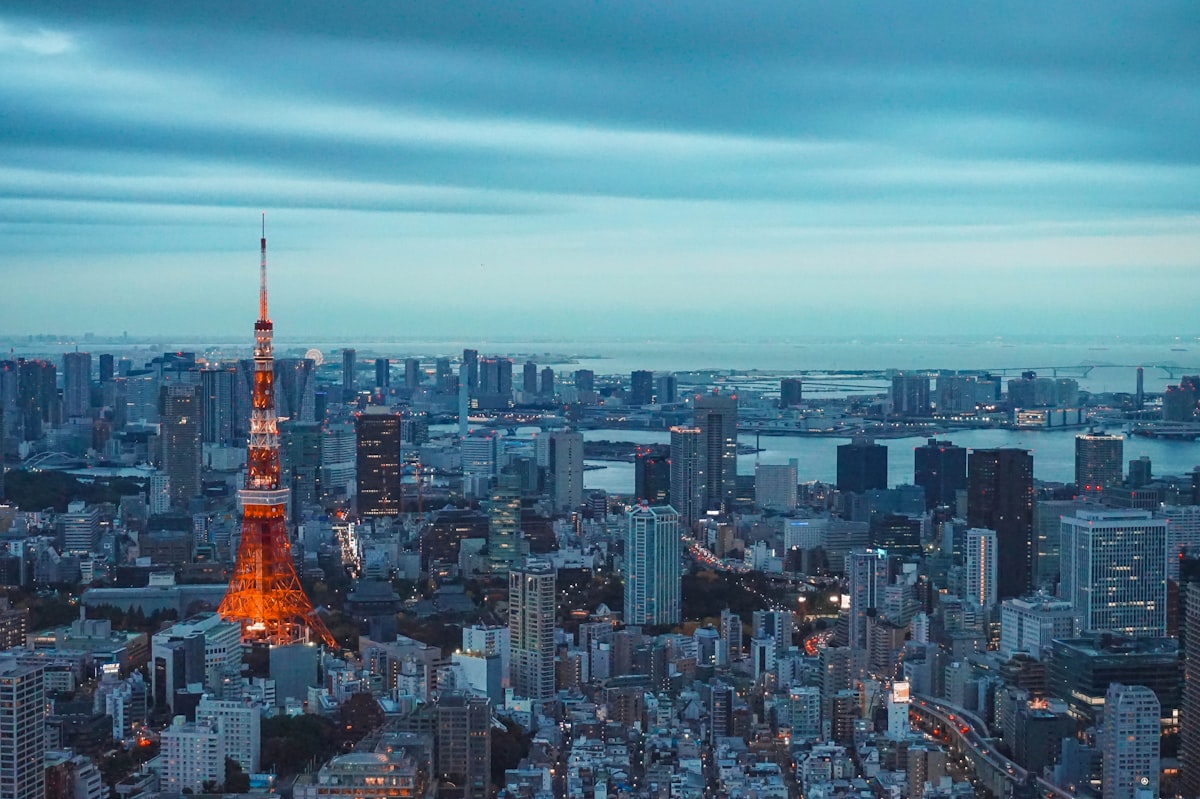
The Hachiko statue stands outside Shibuya Station's Hachiko exit. The statue honors a loyal Akita dog whose owner passed away in 1925 — Hachiko waited at the station every day for nine years. The Hachiko statue is the most popular meeting point near the crossing for both locals and visitors. A large number of people use the statue as the place to meet before heading to the scramble.
Other popular places near Shibuya crossing:
- Shibuya Center Gai — pedestrian street running north from the crossing; restaurants, shops, activities, and nightlife; the heart of Shibuya's youth culture
- Meiji Jingu Shrine — a tranquil shrine located 10 minutes from Shibuya crossing; a contrast to the scramble crossing's energy
- Shibuya 109 — a famous shopping mall in Shibuya city; a symbol of Japanese street fashion
- Shibuya Stream — riverside restaurants and bars; a good spot for dinner after visiting the crossing
- National Portrait Gallery equivalent: The surrounding area has multiple galleries and large artwork installations exhibited on building facades
Shibuya acts as a central hub for shopping, dining, and nightlife in Tokyo. The variety of activities within walking distance of the crossing — from the scramble itself to Meiji Jingu Shrine, restaurants along Shibuya center gai, and nightlife of the surrounding area — makes this one of the most worthwhile spots in the city to explore.
Visiting in the evening offers the best overall experience — the neon lights and digital billboards of Shibuya city are at full attention, people crossing the scramble are at peak numbers, and the energy of the intersection is at its highest. The combination of the scramble crossing, the Hachiko statue, the Starbucks second story view, and the surrounding area of Shibuya makes this a popular place unlike anywhere else in the world.