
"Hakone is where Tokyo residents go to exhale. On a clear day, seeing Fuji from the ropeway or Lake Ashi is one of the most striking moments Japan offers. The key is leaving early."
A hakone day trip from tokyo is one of the most popular day trips in japan — and one of the best. Within two hours from Shinjuku Station or Tokyo Station, the hakone area delivers hot springs, natural beauty, panoramic fuji views, a volcanic valley, and one of japan's finest outdoor museums. Day trips from tokyo to hakone last about 10 hours when you start early and follow the Hakone Loop. This guide covers everything: how to plan your day trip to hakone, the hakone free pass, the best tour itinerary, where to soak, and whether an overnight stay is worth it.
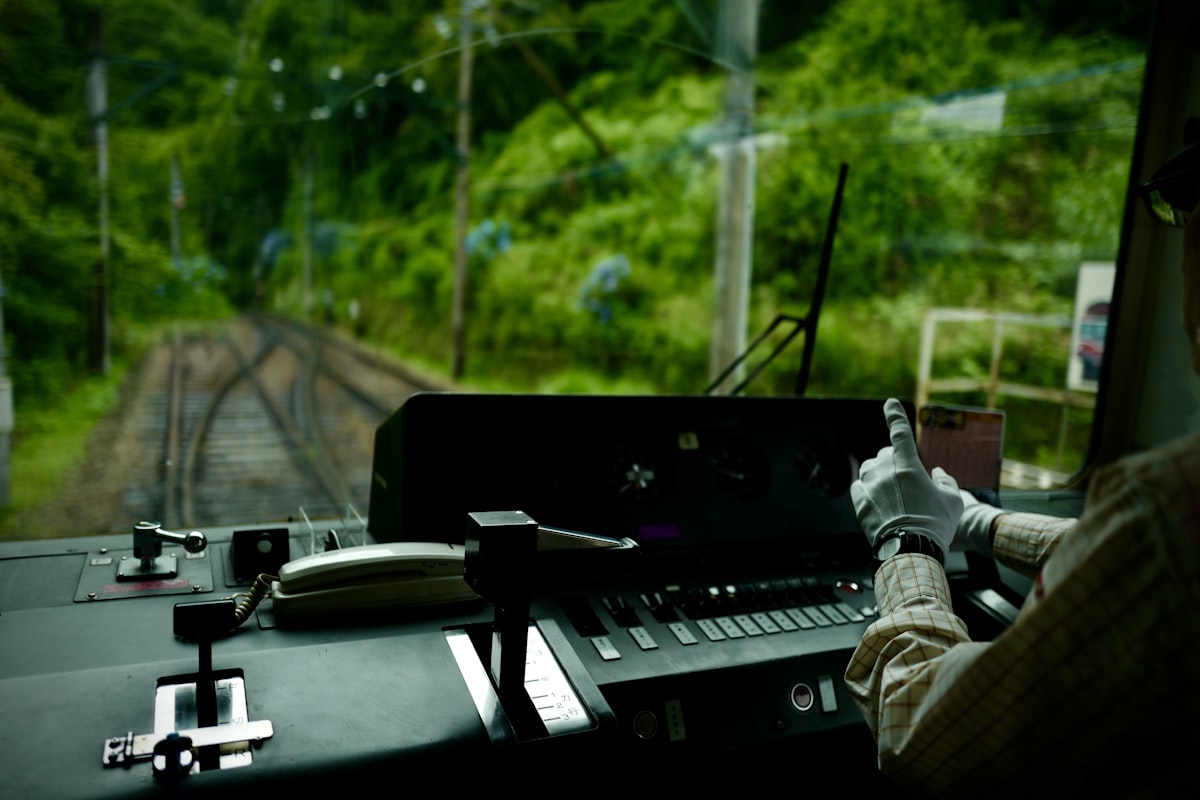
The Odakyu Romance Car — the most comfortable way to start a Hakone day trip from Tokyo
Hakone Day Trip from Tokyo — Quick Facts
- Travel time from Tokyo: about 1.5 hours from Shinjuku Station (Romance Car express train)
- Hakone Free Pass (Hakone Freepass): ¥6,100 from Shinjuku Station — covers most transportation
- Best fuji views: October–February (clear skies)
- Open Air Museum entry: ¥1,600 (discounted with Free Pass)
- Gateway station: Hakone Yumoto Station
- Best seasons: November (autumn leaves), spring (cherry blossoms), winter (fuji views)
- Day trip to hakone duration: about 10 hours from Shinjuku Station
Day Trip — Getting from Tokyo to Hakone
Travel time from Tokyo to Hakone is about 1.5 hours. The Odakyu Romance Car (odakyu romance car) is the most comfortable option for a day trip to hakone — a limited express train with reserved seats from Shinjuku Station directly to Hakone Yumoto Station. The romance car reduces travel time by about 30 minutes compared to a regular express train. The earliest romance car departs Shinjuku at 7:00 AM — take this train to maximize your day trip itinerary. Direct trains to Hakone-Yumoto Station leave from Shinjuku Station throughout the morning on the Odakyu Line.
JR Pass holders can take the bullet train (Shinkansen) from Tokyo Station to Odawara Station in 35 minutes, then transfer to the Hakone Tozan train or a bus into the hakone area. From Odawara Station, buses and trains connect to all major stations in hakone within 30–40 minutes. Planning your transport from Tokyo Station or Shinjuku Station before your visit saves time on the day.
Hakone Free Pass — Save Money and Stress
The Hakone Free Pass (Hakone Freepass) is the perfect way to explore hakone without worrying about buying tickets for each ride. It is available for 2 or 3 days and covers unlimited travel on most transportation in hakone: the Hakone Tozan train, Hakone Tozan Cable Car, Hakone Ropeway, Lake Ashi boat cruise (pirate ship), and most bus routes including the shuttle bus between attractions. The pass also provides discounts at many local attractions including the open air museum.
You can purchase the pass online or at Shinjuku Station before departure. The 2-day Hakone Freepass from Shinjuku Station costs ¥6,100 and saves money compared to buying individual tickets — it pays for itself after just a few rides and is the most stress free way for international tourists to visit hakone at their own pace. Most guided tour operators include the hakone free pass in their tour price.
Visit Hakone — The Hakone Loop Tour Itinerary
Most visitors follow the classic "Hakone Loop" — a circuit that uses all the different transport modes in sequence. The loop is the perfect way to cover all the most iconic sights in one day tour. The standard day tour route takes about 6–7 hours at your own pace. Traveling counter-clockwise around the loop helps avoid crowds and people waiting at popular stations.
- Hakone Yumoto Station → Gora Station — Hakone Tozan train (switchback mountain train; beautiful autumn leaves in November; the most scenic train ride in the hakone area)
- Gora Station → Sounzan Station — Hakone Tozan Cable Car (cable car route passes Gora Park; sightseeing views on the ascent)
- Sounzan Station → Owakudani Station → Togendai — Hakone Ropeway (over the volcanic valley; fuji views on clear days; the highlight of the day tour)
- Togendai → Moto Hakone — Lake Ashi pirate ship cruise (boat cruise with fuji views across the lake; 30-minute walk around the lake shore is also possible)
- Moto Hakone → Hakone Yumoto Station — bus (last stop of the loop; soak at a hot spring before the express train back to Shinjuku)
The open air museum is best visited on the way to Gora Station — get off the Hakone Tozan train at Chokoku-no-Mori Station (one stop before Gora Station). Allow at least 90 minutes for the museum before continuing the tour.
Hakone Yumoto — Hot Springs Gateway Station
Hakone Yumoto Station is the gateway to the hakone area and its onsen resort district. Most day trip visitors from Tokyo and Shinjuku Station begin their tour here. Hakone Yumoto has hot springs, ryokan with private hot spring rooms, restaurants, souvenir shops, and walk-in soak facilities for day visitors. A perfect way to end your day trip to hakone is to soak at a hot spring bath in Hakone Yumoto before the express train back to Shinjuku Station. Many hot spring baths in Hakone Yumoto allow walk-in visitors for ¥1,000–1,500 — no overnight stay required. Soak for an hour, then walk back to Hakone Yumoto Station for the last romance car to Shinjuku Station.
Hakone Tozan — Mountain Train and Cable Car
The Hakone Tozan train is one of japan's steepest mountain railways — the train switchbacks three times climbing between Hakone Yumoto Station and Gora Station. In June, hydrangeas bloom alongside the tracks; in November, beautiful autumn leaves frame every window, making the hakone tozan one of the most beautiful autumn leaves train journeys in japan. The Hakone Tozan Cable Car then connects Gora Station to Sounzan Station on the cable car route, where the Hakone Ropeway begins. All three — hakone tozan train, cable car, and ropeway — are covered by the Hakone Free Pass. Gora Park near Gora Station is worth a short walk and a sightseeing stop before boarding the cable car.
Black Eggs — Owakudani Volcanic Valley
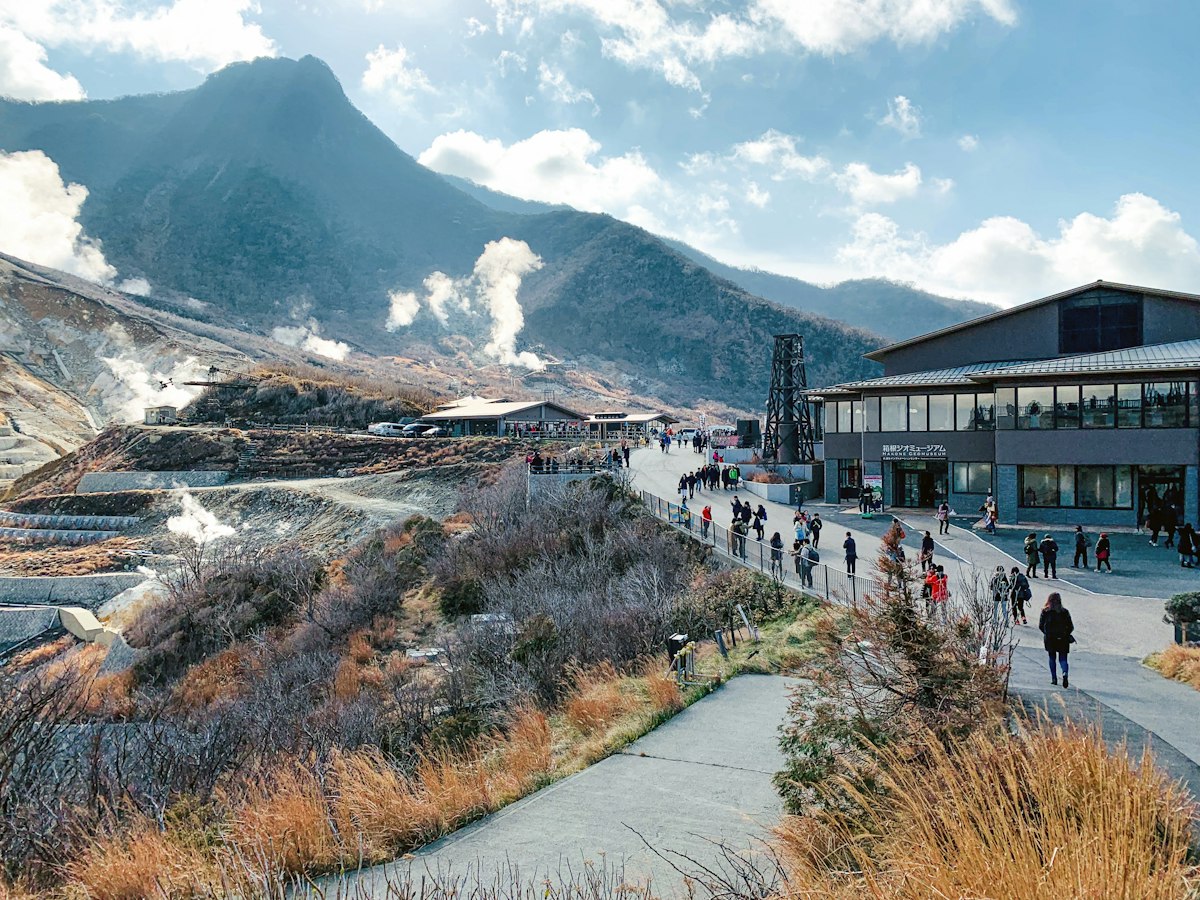
Owakudani — the volcanic valley where sulfur vents cook the famous black eggs
Owakudani is Hakone's active volcanic valley — a dramatic landscape of volcanic vents and sulfur steam visible from the Hakone Ropeway as it passes directly over Owakudani Station. At Owakudani Station, walk among the volcanic vents for scenic views and panoramic fuji views on clear days. The black eggs (kuro-tamago) are the local specialty — hard-boiled eggs cooked in the natural hot springs of the volcanic valley, which turns the shells black. Legend says eating each black egg adds seven years to your life. Black eggs are sold at Owakudani Station for about ¥500 for a bag of five. Owakudani is one of the most memorable stops on the tour — especially for a private day trip or private tour focused on japan's natural scenery.
Owakudani Station sometimes closes during increased volcanic activity. Check conditions before your day trip — the ropeway has an alternative route that bypasses the station when closed.
One Day Tour — Mount Fuji Views from Ropeway and Lake
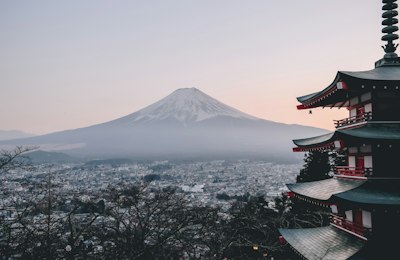
The best fuji views on a hakone day trip from tokyo are from two locations: the Hakone Ropeway between Sounzan Station and Owakudani Station, and the Lake Ashi cruise. The ropeway gives you panoramic fuji views from above the volcanic valley — on a clear day, mount fuji fills the horizon as you cross the volcanic valley on the cable car. The lake ashi cruise gives you fuji views over the water — the classic japan postcard image.
Clear skies in winter provide the most stunning fuji views — the best months are October to February for a day trip to hakone specifically for mount fuji sightseeing. Summer can be hot and humid in Hakone with haze hiding fuji. November offers beautiful autumn leaves combined with possible fuji views — the best season for the most scenic tour. Spring features cherry blossoms in the hakone area. Hakone can be visited year-round; don't build your entire one day tour around the fuji view, but the incredible views from the ropeway are consistently spectacular regardless of whether fuji is visible.
Open Air Museum — Hakone's Most Famous Museum
The Hakone Open Air Museum is japan's most visited outdoor museum — a sculpture park spread across 70,000 square metres of gardens with large sculptures by Picasso, Moore, Rodin, and many others. The open air museum showcases large sculptures in a landscape setting with mountain views and is one of the most iconic sights in the hakone area. There are many museums in hakone, but the open air museum is the highlight of any day tour itinerary.
The indoor Picasso Pavilion at the open air museum contains over 300 works. Entry is ¥1,600 — discounted with the Hakone Free Pass. Allow at least 90 minutes at the museum; use the hot spring foot bath in the grounds (included in entry) to soak tired feet midway through your sightseeing. The open air museum is at Chokoku-no-Mori Station on the Hakone Tozan train — one stop before Gora Station. A private tour or guided tour often includes the museum as the first sightseeing stop after Hakone Yumoto Station.
Hakone Shrine — Floating Torii on Lake Ashi
Hakone Shrine's famous floating torii gate on Lake Ashi — a short walk from the Moto Hakone pier
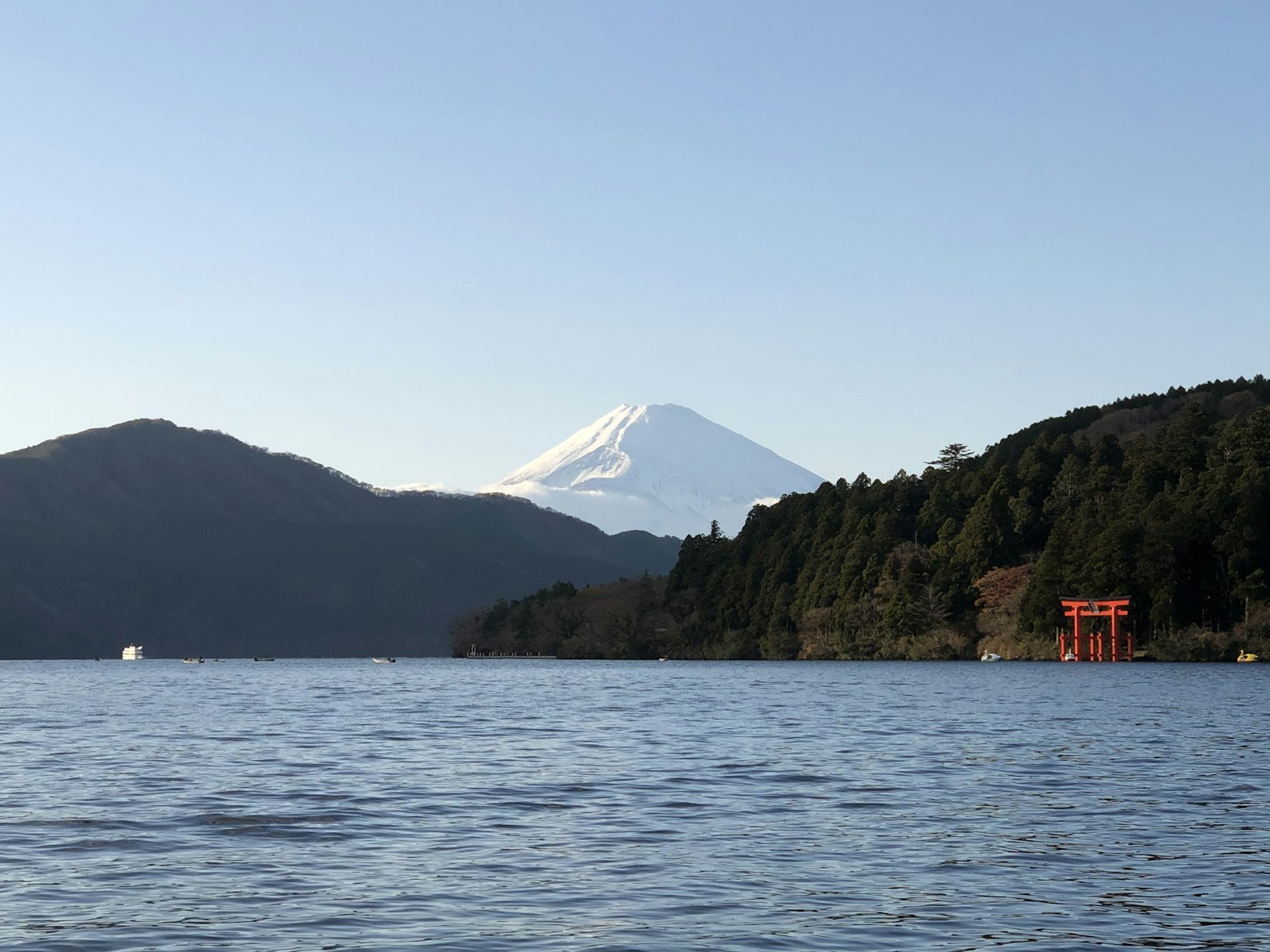
Hakone Shrine is known for its famous floating torii gate standing in Lake Ashi at Moto Hakone — a short walk from the Lake Ashi pirate ship pier. The hakone shrine red torii appears to float on the lake with mount fuji visible behind on clear days. The shrine is free to visit and is one of the most iconic sights in the hakone area for sightseeing and photography. Hakone Shrine connects to the ancient Tokaido Highway — the historic road between Edo (Tokyo) and Kyoto. The history of the shrine and the tokaido highway adds cultural depth to any day tour of the hakone area.
Hakone Checkpoint — History on the Tokaido Highway
The Hakone Checkpoint (Hakone Sekisho) is a reconstructed Edo-period checkpoint on the ancient Tokaido Highway at the edge of Lake Ashinoko near Moto Hakone. The museum at the hakone checkpoint explains the history of this critical point on the tokaido highway, where all travelers between Tokyo and Kyoto were inspected. The hakone checkpoint museum is free with the Hakone Free Pass and is a fascinating walk through the history of japan's most important road. Visiting the hakone checkpoint is a perfect way to explore the history of the hakone area between the lake ashi cruise and the bus back to Hakone Yumoto Station.
Moto Hakone — Scenic Last Stop on the Lake
Moto Hakone is the most atmospheric village in the hakone area and the last stop before the bus back to Hakone Yumoto Station. The lake shore, the floating torii of Hakone Shrine, the ancient cedar avenue along the Tokaido Highway, and the fuji views across Lake Ashinoko make Moto Hakone the most scenic stop on the loop tour. Explore the cedar avenue walk, visit the hakone checkpoint museum, and have lunch at a restaurant in Moto Hakone or Hakone Machi before the bus back. A private tour or private day trip often includes a buffet lunch near Moto Hakone or a private hot spring soak at a hotel nearby.
Lake Ashi Cruise — Pirate Ship on Lake Ashinoko
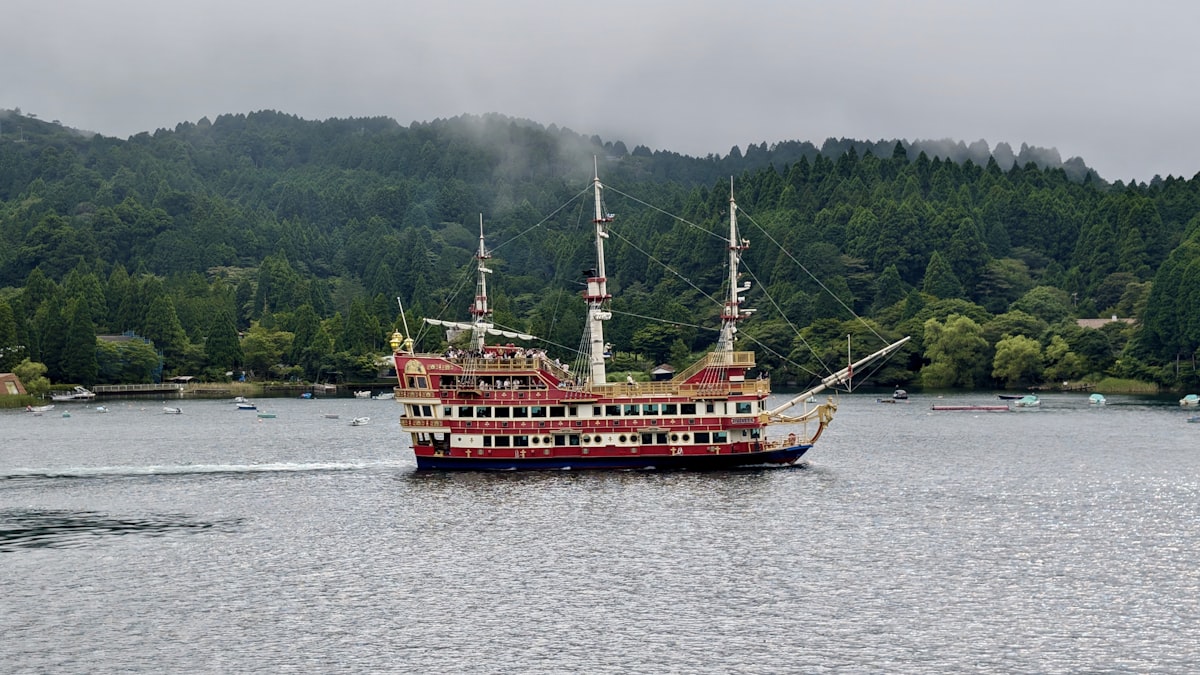
The Lake Ashi cruise uses distinctive pirate ships — replica galleons that cross Lake Ashinoko between Togendai, Hakone Machi, and Moto Hakone. The lake ashi cruise is covered by the Hakone Free Pass. On a clear day, mount fuji is perfectly reflected in the still water of the lake — one of the classic japan landscape images and a highlight of any day tour. The lake cruise takes about 30–40 minutes one way. Guided tours often include the Lake Ashi cruise as part of the day tour, and fuji views over the lake are the signature image of a hakone day trip.
Lake Ashinoko is a beautiful caldera lake formed by a volcanic eruption approximately 3,000 years ago. The lake sits at 723 metres above sea level. The best fuji views from the lake are from the Moto Hakone end looking northwest across the water toward mount fuji. A walk along the lake shore from the cruise pier is a perfect way to spend 30 minutes before the bus back to Hakone Yumoto Station.
Oshino Hakkai Village — Optional Day Trip Extension
Oshino Hakkai Village is a nearby attraction — a cluster of eight natural spring ponds fed by snowmelt from mount fuji, about 30 minutes by bus from the lake ashi area. The crystal-clear ponds and traditional japanese village setting make Oshino Hakkai a popular extension of the hakone day tour. The village is off the beaten path for standard hakone day trips but is included on some private day trip itineraries. Adding Oshino Hakkai to your tour requires two days or a private tour — it is too far for a comfortable one day tour itinerary from Tokyo Station or Shinjuku Station alone.
Mount Fuji — Fuji Views from Hakone
Mount fuji is the reason most international tourists add hakone to their japan itinerary. The iconic views of fuji from the Hakone Ropeway, from Lake Ashi, and from the Hakone Shrine torii gate are among the best fuji views in japan outside of the mountain itself. On a clear day, fuji dominates the skyline from nearly every high point in the hakone area — including from Owakudani Station, from Sounzan Station, and across the full length of Lake Ashinoko. Clear skies for fuji views are most likely in winter from October to February. Weather planning is the most important part of planning a hakone day trip specifically for fuji views.
Overnight Stay — Hot Spring Bath and Ryokan
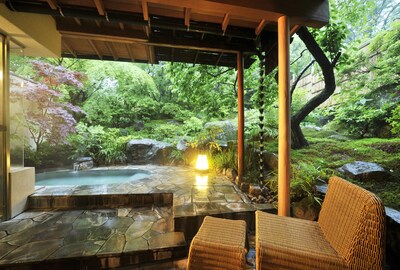
Extending a hakone day trip to an overnight stay transforms the experience. Staying overnight lets you soak at leisure in a private hot spring bath at a ryokan and explore the iconic sights at dawn before day-trippers from Tokyo and Shinjuku Station arrive. The hakone area has accommodation at every budget level:
- Gora Kadan — luxury ryokan near Gora Station with kaiseki dining and onsen
- Hotel Indigo Hakone Gora — luxurious rooms and an onsen near Gora Station
- Emblem Flow Hakone — near Gora Station with breakfast options and hot spring access
- Setsugetsuka — traditional rooms with modern comfort and onsen
- Hakone Guest House Gaku — budget-friendly accommodation for international tourists near Hakone Yumoto Station
Most hotels and ryokan in the hakone area include a hot spring bath. A two-day itinerary allows you to soak, rest, explore at your own pace, and spend a night in japan's most famous onsen resort region. Travel time from Hakone to Shinjuku Station is similar to the reverse trip — about 1.5 hours on the romance car express train.
Planning Your Hakone Day Tour — Tips
- Start early — take the 7:00 AM romance car from Shinjuku Station to maximize sightseeing time
- Buy the Hakone Freepass at Shinjuku Station or online before your day trip
- Check the weather forecast — fuji views depend entirely on clear skies
- Rain doesn't ruin the tour — the hakone area is beautiful in all weather; the museum, ropeway, and hot spring soak are all enjoyable in rain
- Counter-clockwise is better — start from Hakone Yumoto Station and avoid people waiting at Owakudani Station at peak times
- Hakone in november offers the best combination of autumn leaves, moderate temperatures, and possible fuji views
- A private day trip or private tour with a guide is the most stress free option for first-time visitors to hakone from tokyo
- Two days is ideal — one day for the loop tour, one day to explore Oshino Hakkai Village, soak at leisure, and visit many museums in the gora area