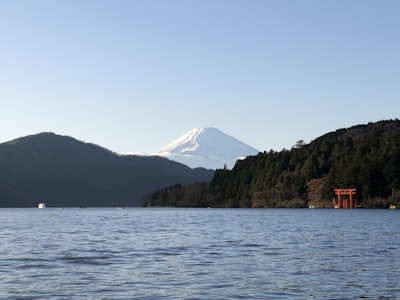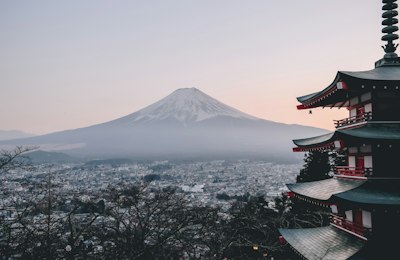

"Staying in a Hakone ryokan changed how I travel in Japan. You arrive, change into a yukata, sit by the window with green tea, and watch the mountains. The kaiseki dinner arrives at your room. By morning you've forgotten what city stress feels like."
Why Hakone Is Japan's Ryokan Capital
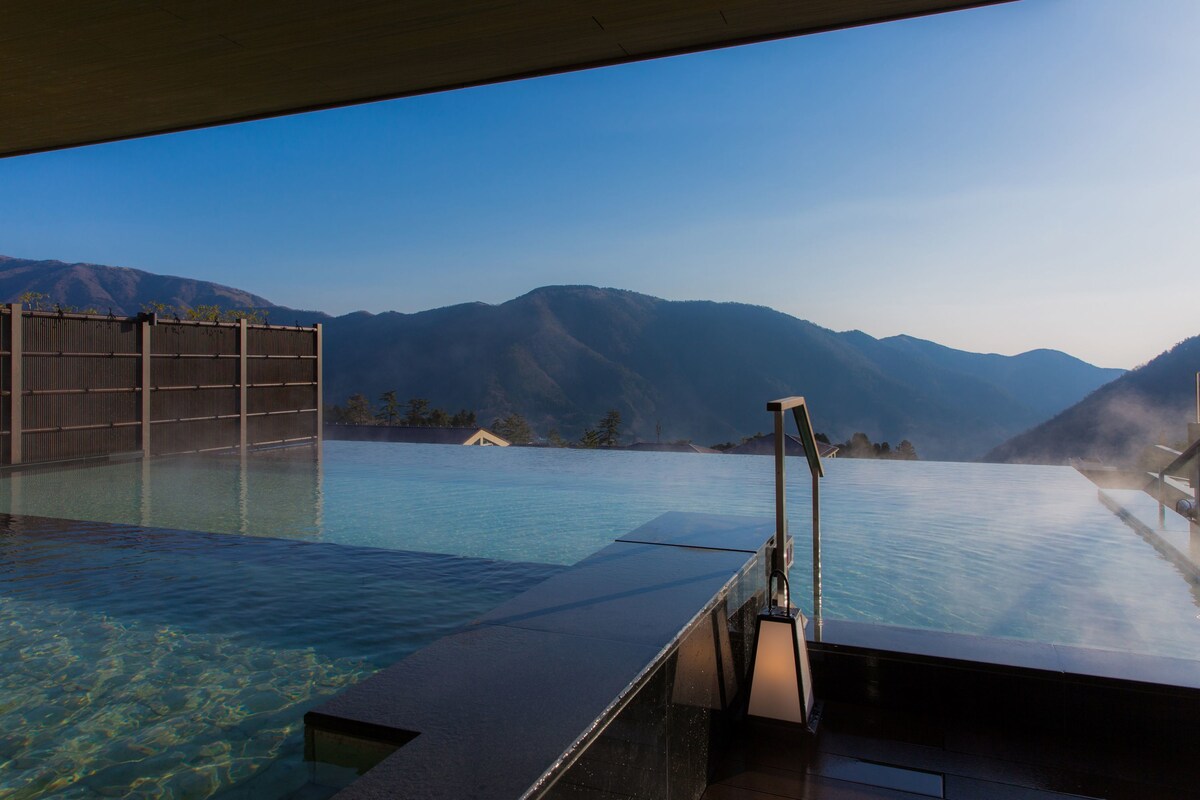
Hakone sits in the volcanic mountains southwest of Tokyo, fed by natural hot springs that have attracted visitors for over a thousand years. Today the area has more ryokan per square kilometre than almost anywhere else in Japan — ranging from tiny family-run inns to some of the most celebrated luxury stays in the country.
What makes Hakone ryokan exceptional is the combination: the onsen here tap into genuine volcanic mineral springs with therapeutic properties, the mountain setting provides a complete escape from the city, and Mt Fuji — visible on clear days — adds a backdrop that no urban ryokan can match.
Most Hakone ryokan include a multi-course kaiseki dinner and breakfast in the room rate. This is not just a meal — it's one of the defining experiences of Japanese hospitality.
What to Expect at a Hakone Ryokan
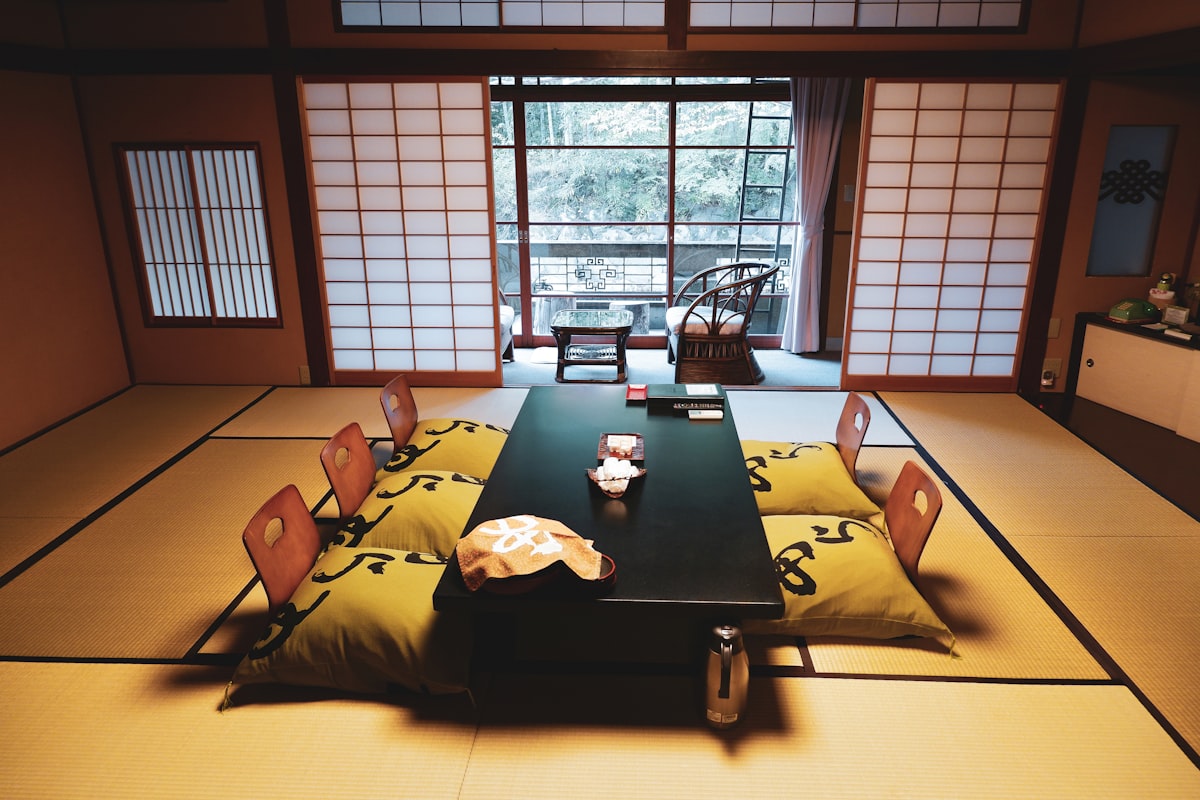
On arrival, you remove your shoes at the entrance and are shown to your tatami-mat room in slippers. Yukata robes and tabi socks are provided — you wear these for the duration of your stay, including to dinner and to the onsen.
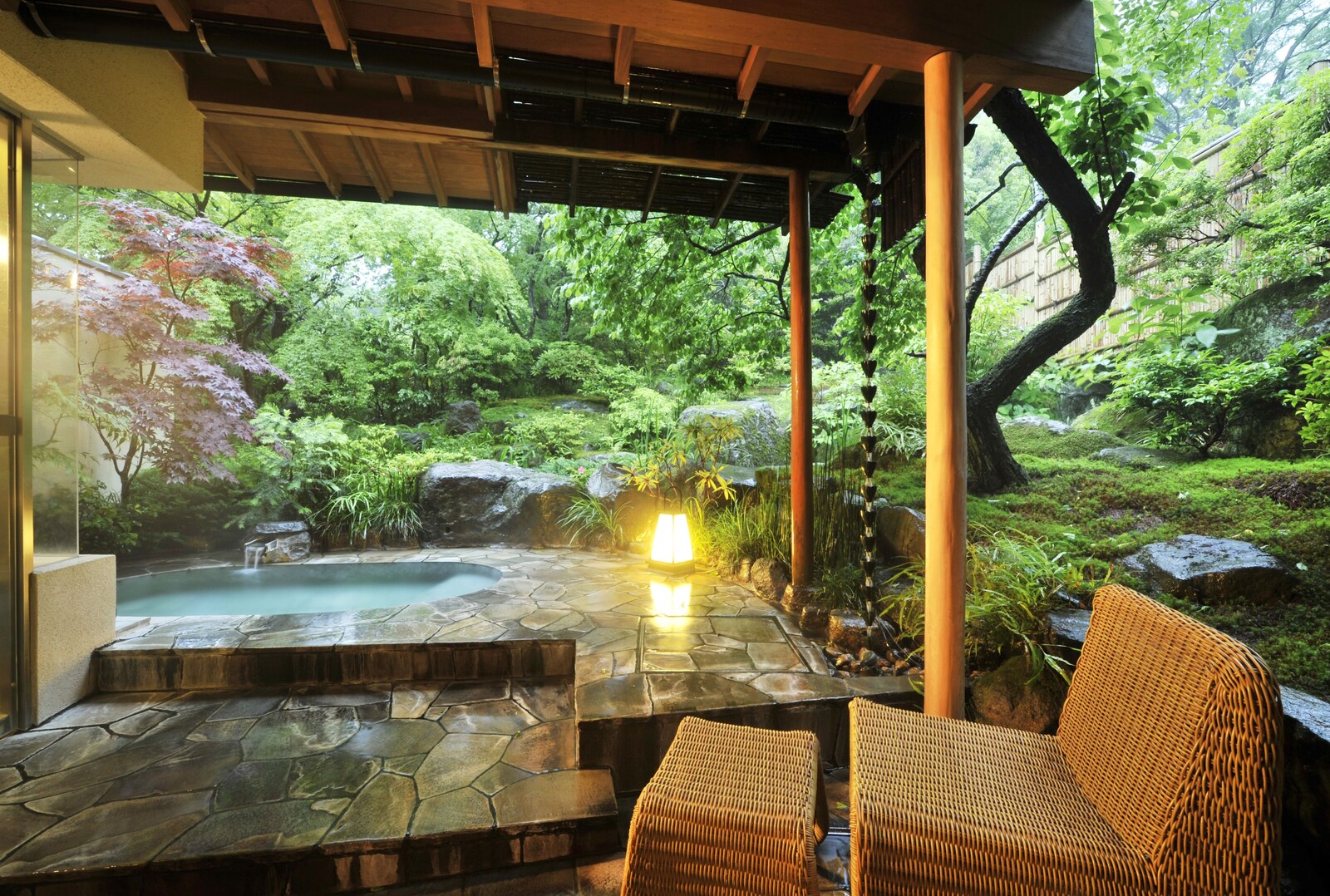
The onsen — usually segregated by gender — may be indoor, outdoor (rotenburo) or both. Many higher-end ryokan also offer private onsen baths bookable by the hour. The mineral-rich waters of Hakone are particularly effective for skin and muscle recovery.
Kaiseki dinner is served in your room or a private dining room, typically between 6pm and 8pm. Expect 8–12 small courses celebrating seasonal ingredients. Breakfast follows a similar format the next morning.
Best Areas to Stay in Hakone
Gora is the most popular base — a mountain village accessible by the Hakone Tozan Railway and cable car, with the highest concentration of quality ryokan. Quiet, atmospheric and well-connected to the ropeway.
Miyanoshita is the historic heart of Hakone — the famous Fujiya Hotel has been here since 1878. Slightly lower altitude than Gora, with good access to hiking trails.
Hakone-Yumoto is the gateway town at the base of the mountains — busier and less atmospheric than Gora, but the most affordable and easiest to reach from Tokyo. Good budget ryokan options here.
How Far Ahead to Book
Hakone ryokan fill up quickly — especially on weekends, during cherry blossom season (late March–April) and in autumn (October–November). For a weekend stay at a mid-range ryokan, book 4–6 weeks ahead. For top properties like Gora Kadan, booking 2–3 months in advance is not unusual.
Weekday stays are easier to book and often significantly cheaper. If your dates are flexible, a Monday–Tuesday stay at a luxury ryokan is one of the best value moves in Japanese travel.