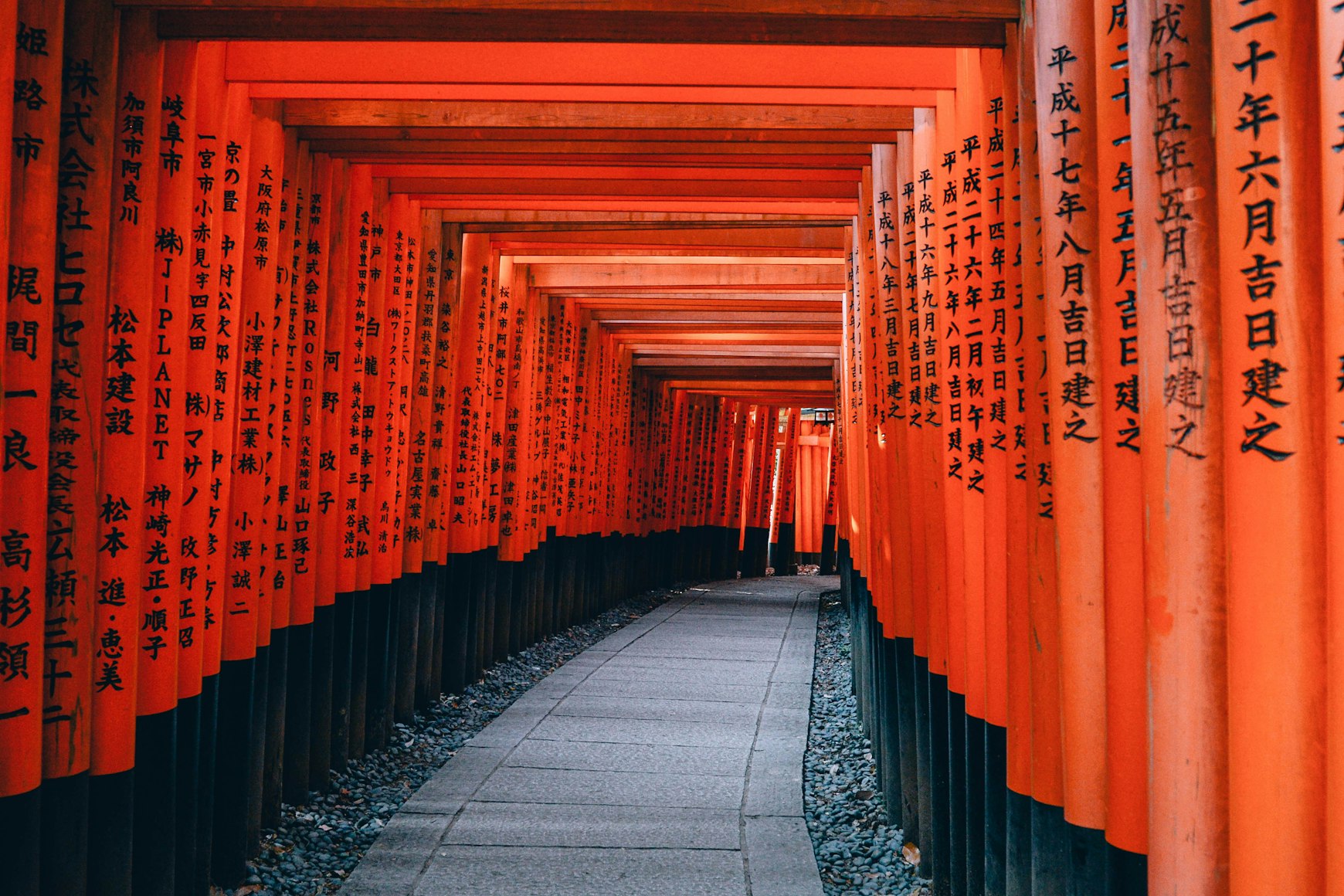
Japan Travel Guide — Discover Japan, One Moment at a Time
Helpful guides from real travelers. What to do, where to eat, where to stay — city by city.
Helpful guides from real travelers. What to do, where to eat, where to stay — city by city.
Click on any city to start exploring
Seven cities — Tokyo, Kyoto, Osaka, Hiroshima, Hakone, Takayama and Kanazawa — each with its own guide: what to do, where to stay, where to eat and the best day trips from that base.

Ivan Shirokov
Author
"Traveling is what I do — professionally and personally. I've explored six continents on my own. Japan stands apart from everywhere I've been: it rewards curiosity, respects your time and exceeds every expectation. I've been here enough times to know where to go, what to skip and what no guidebook tells you."
The Shinkansen is the backbone of any Japan itinerary — Tokyo to Kyoto in 2h 15min, Kyoto to Hiroshima in under an hour.
The most common Japan travel questions — which TeamLab venue to book, how far to hike at Fushimi Inari, what to eat first in Osaka — answered directly, with no filler.
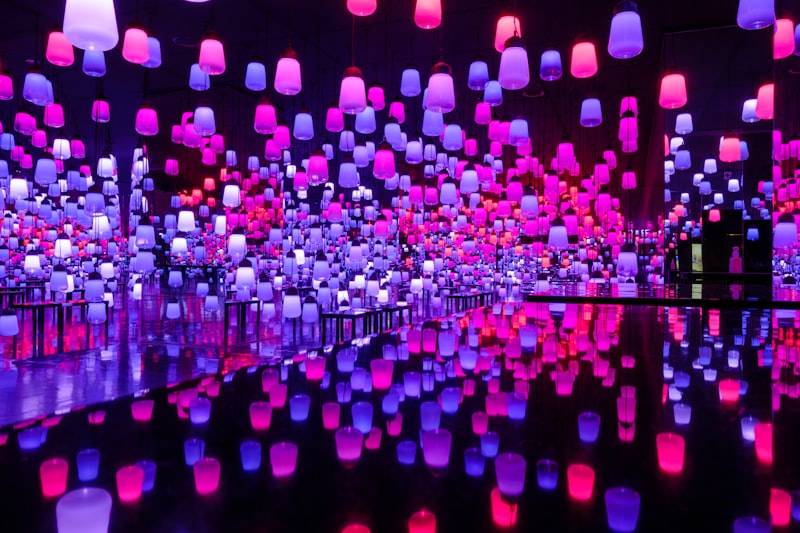 Art & Culture
Tokyo's most spectacular digital art experiences compared — tips on tickets, timing and which one suits you.
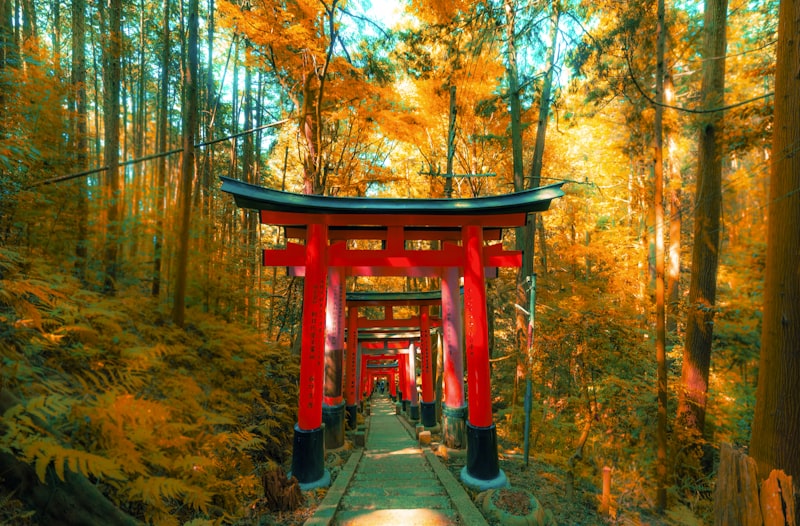 Iconic Sights
When to visit, how far to hike and what to see on Kyoto's most famous mountain walk.
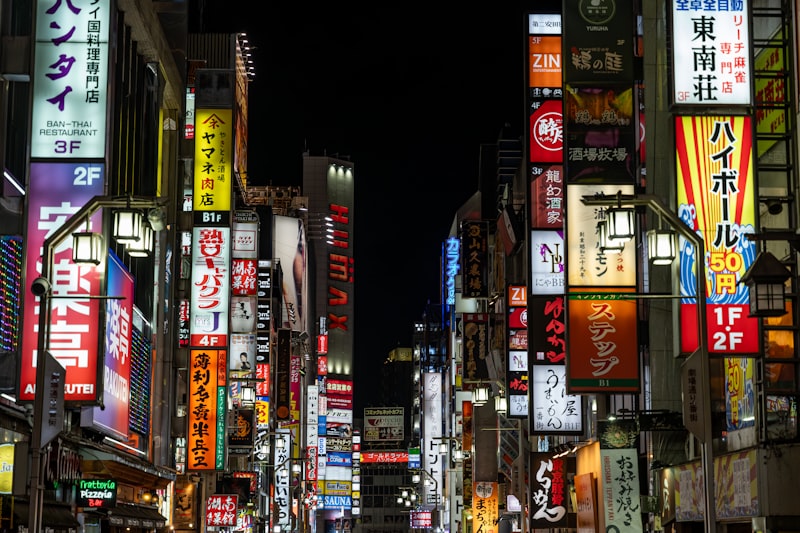 Food & Nightlife
Osaka's most electric street — the Glico Man, canal-side takoyaki and the best okonomiyaki in Japan.
Our current picks based on Expedia guest ratings — updated monthly. All 9.0+ rated with hundreds of verified reviews.
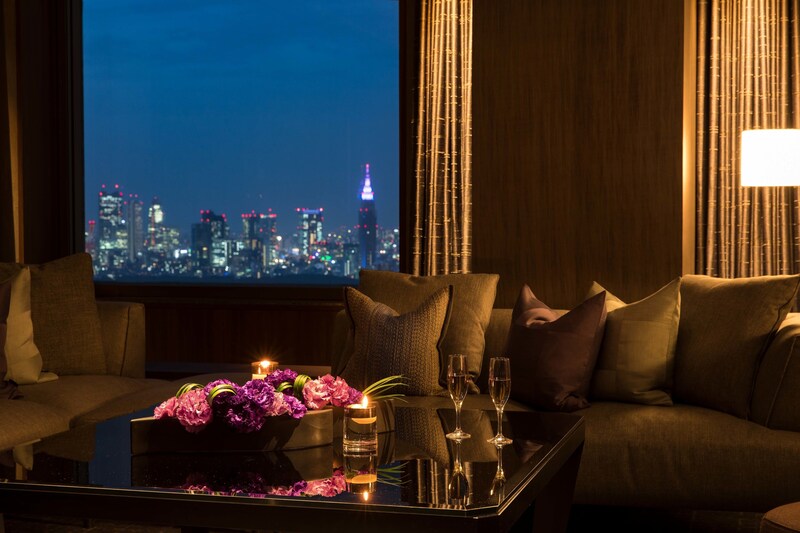 9.6 Exceptional
Shibuya's finest. Panoramic Tokyo views, indoor pool, spa and jazz bar — steps from the famous Crossing.
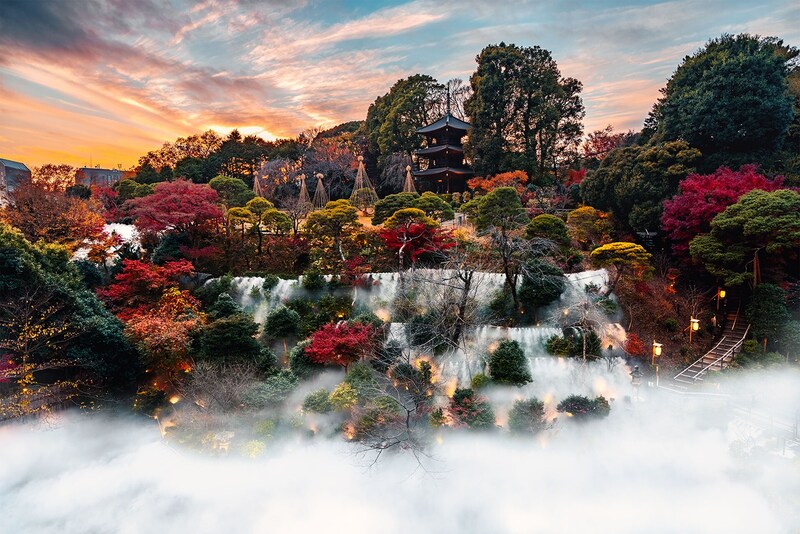 9.6 Exceptional
Set in 17,000sqm of private Japanese gardens. One of the most iconic luxury hotel stays in Tokyo.
 9.0 Wonderful
Iconic Shinjuku location with the famous Godzilla rooftop terrace. Central, fun and great value for money.
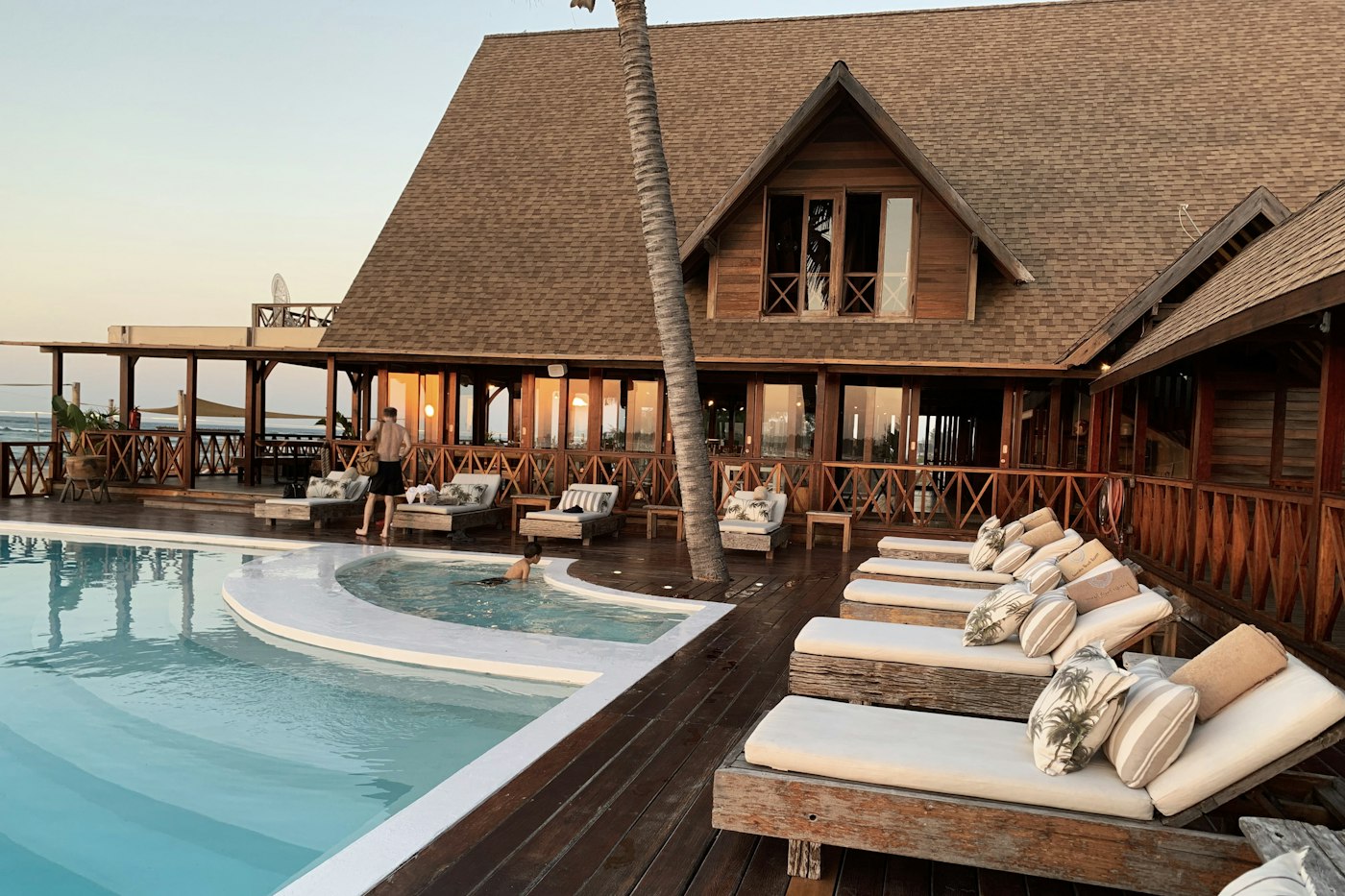

Japan's Shinkansen connects cities in hours — Hakone, Kyoto, Hiroshima and beyond.
The best time to visit Japan is spring and autumn. Cherry blossoms peak around late March to early April, when parks in Tokyo, Kyoto and Osaka fill with hanami picnics. Autumn foliage peaks in November, especially in Kyoto — the maple season around Arashiyama is at its best. Summer festivals occur from June to August across Japan, though the heat can be intense. Winter sports are best enjoyed in January and February in Hokkaido and the Japanese Alps. Avoid Golden Week (late April to early May) and Obon (mid-August) — transport sells out and prices rise across the country.
Ten days is the most common first-trip itinerary — Tokyo (3–4 nights), a Shinkansen west to Kyoto and Osaka, plus a day trip to Hiroshima or Hakone. Travellers often spend 2–3 days in Kyoto for sightseeing — it rewards slow exploration. Two weeks lets you add Kanazawa and Takayama. Many itineraries include a visit to Hakone for hot springs, and travellers consistently recommend visiting Nara for its historical sites — an easy half-day from Kyoto. Japan is an archipelago of four main islands — Honshu, Hokkaido, Kyushu and Shikoku — and each rewards deeper exploration.
The Japan Rail Pass covers unlimited Shinkansen travel on the JR network — it pays for itself on the Tokyo–Kyoto–Hiroshima route. A 7-day pass costs around ¥50,000; a 14-day pass around ¥80,000. Note that Shinkansen Nozomi and Mizuho trains aren't covered by JR Pass — check which services apply on your route. Purchase JR Pass from the official website for online reservations before you leave home. If you are only visiting Tokyo, a Suica or Pasmo IC card handles all city transport — use it to pay at convenience stores and shops across the city too.
Japanese culture values quietness on trains and has strict rules around mobile phone use in quiet carriages. Tipping is not practiced in Japan and can cause confusion. Removing shoes is expected when entering traditional accommodation and some restaurants — clean socks are invaluable. Street food should be consumed near the vendor and not while walking. Public trash cans are scarce in Japan, which necessitates carrying your trash until you find a disposal point. Slurping noodles is considered a compliment to the chef. Buddhism and Shinto both shape daily life: temples are for Buddhist practice, shrines for Shinto rituals, and many Japanese people observe traditions from both.
Ramen is a must-try dish in Japan — Tokyo broths are soy-based, Sapporo's are miso, Hakata in Kyushu is tonkotsu pork. Osaka is Japan's food capital: takoyaki, okonomiyaki and kushikatsu. Tsukiji fish market is famous for fresh sushi breakfast — arrive early in the morning. Japanese pancakes are highly recommended by travellers. Ekiben — train station bento boxes — are one of the great pleasures of rail travel in Japan. Shojin ryori, traditional Japanese Buddhist vegetarian cuisine, is worth seeking out at temple lodgings. Cash is still required at many smaller restaurants and rural shops across the country.
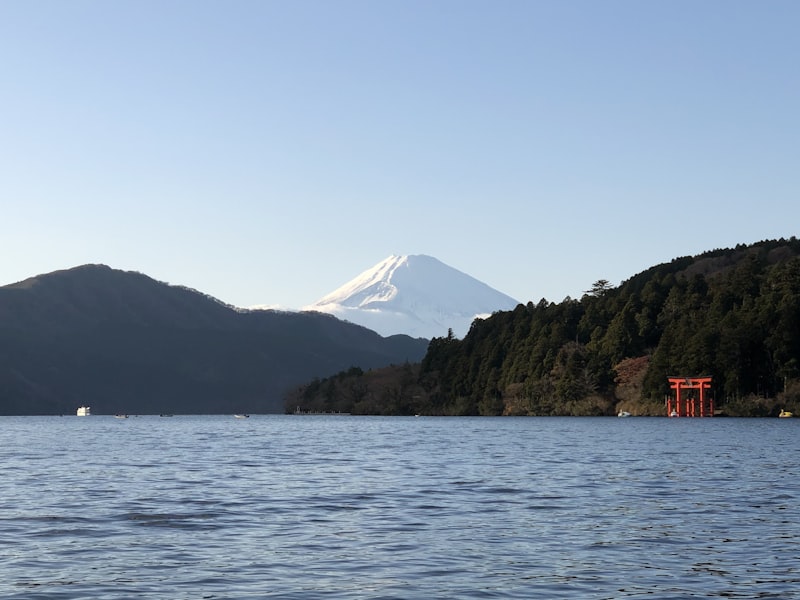
On clear days — most common in winter and early spring — Mount Fuji is visible from high buildings in central Tokyo: observation decks at Shinjuku's skyscrapers, Tokyo Skytree and upper floors near Shibuya are all good vantage points. Hakone gives close views across Lake Ashi with Fuji as a backdrop — the most photographed scene in Japan. The climbing season runs from early July to early September. Many people intend to reach the summit for sunrise — they wake at midnight and climb through the dark sky to catch the dawn. Comfortable closed-toe shoes are essential for the mountain trails.
The Shinkansen bullet train network spans most of Honshu and extends south to Kyushu. Within cities, metro systems in Tokyo, Osaka and Kyoto are fast, clean and easy to navigate — Google train directions help you crack the larger stations quickly. An IC card (Suica or Pasmo) works on trains, buses and convenience store purchases across the country. eSIMs are popular for data connectivity when traveling in Japan. Cash withdrawals are easy at ATMs in 7-Eleven and Lawson stores. Use luggage forwarding services if you have multiple large bags — it makes moving between cities far more comfortable.
Complete customs declarations online before arriving in Japan to save time at the airport. You must carry your physical passport in Japan by law. Carry at least 4,000 to 5,000 yen at all times — many smaller restaurants and rural areas still require cash. Public restrooms in Japan often lack paper towels and hand dryers, so carry a small towel. An eSIM for data and a pocket translation app are both invaluable from day one. Japanese convenience stores offer high-quality food and daily necessities and are impossible to overstate as a resource. Finally, security at airports and stations is calm and well-organised — arrive early and follow the line.
Traditional ryokans provide unique cultural experiences in Japan — tatami rooms, kaiseki meals and onsen baths are among the best things about a Japan trip. Budget travellers will find chains and business hotels good value for money; hotels near subway lines make it easy to explore without waiting for slow connections. Onsen stays are popular for rest and relaxation across all seasons. Clean socks are expected in traditional lodgings and Buddhist temple stays — pack several pairs. Removing shoes is expected when entering traditional accommodation and many restaurants: one of the unwritten rules of Japanese culture that cannot be ignored.
Beyond the famous cities, Japan rewards those who wander further. Obuse, a small town in Nagano famous for chestnuts and its connection to artist Hokusai, is one of the best things to visit in central Japan. The High Rail 1375 — Japan's highest railway — is a scenic mountain line that captured the hearts of travellers long before it became tagged on social media. Shojin ryori, traditional Japanese Buddhist vegetarian cuisine, is worth seeking out at temple lodgings: an invaluable experience that is impossible to replicate anywhere else.
Japan is one of the world's most welcoming countries for solo travellers — low crime, excellent public transport and a culture where eating alone is completely normal. Solo counters at ramen bars and sushi restaurants are designed for one person. Budget travellers will find capsule hotels and guesthouses affordable across all major cities. Japanese people are helpful to tourists even with a language gap — point at a map and most will walk you to the right place. Solo hiking is safe in most mountain regions. Travelling alone through Japan's cities, countryside and towns along the sea is one of the most rewarding ways to experience Japanese life — honestly, it is hard to promise anything better for a solo trip.