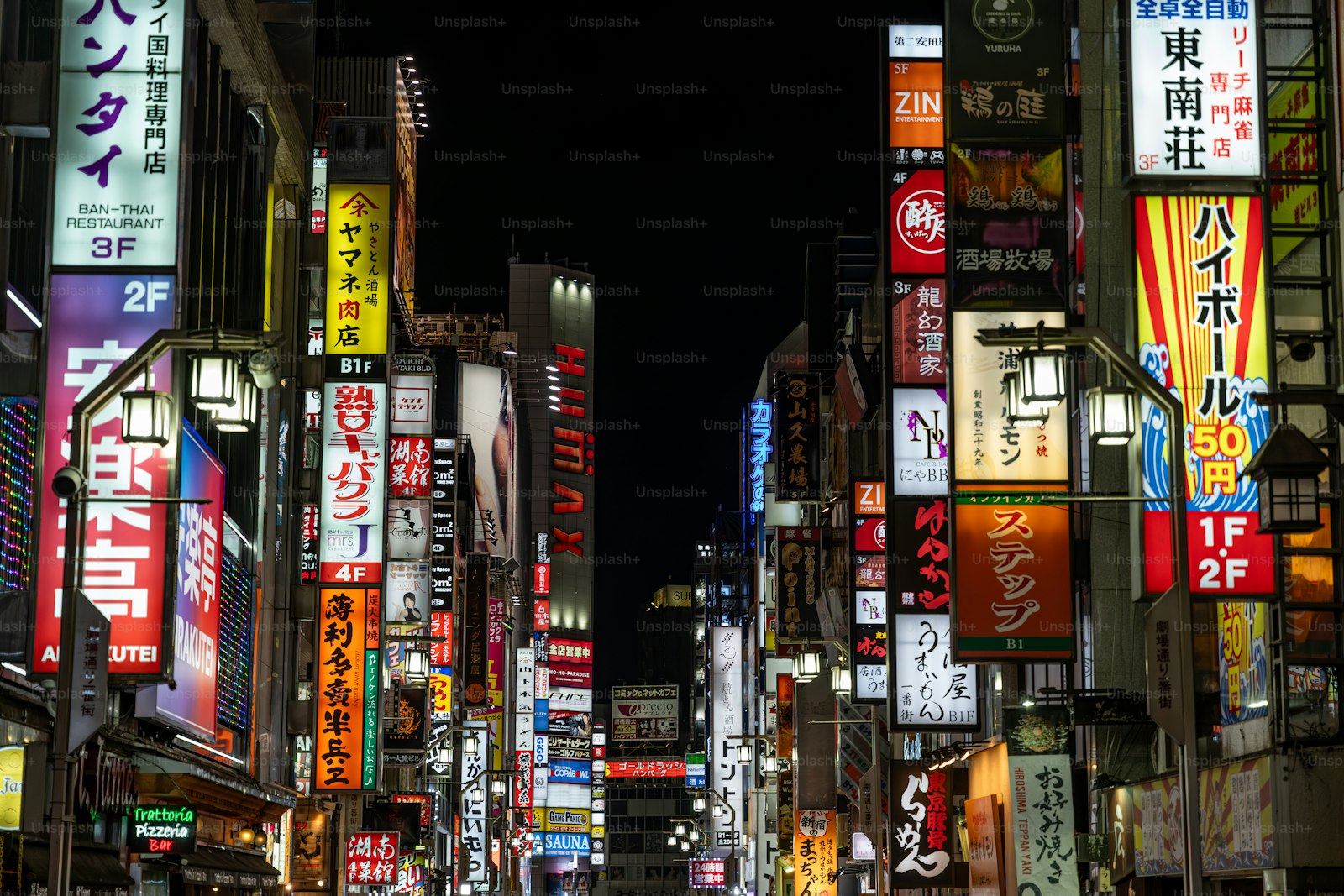

"Osaka is where Japan relaxes — and Dotonbori is where Osaka puts on its best show. The neon, the smells, the crowds, the noise — it's overwhelming in the best possible way. Go hungry."
Dotonbori Osaka is Japan's most iconic entertainment district — a kilometre-long stretch of restaurants, street food stalls, souvenir shops, and neon lights running alongside the Dotonbori Canal in Chuo Ward. Dotonbori is nicknamed "Japan's Kitchen" for its culinary culture and is considered a street food epicenter in Osaka. The dotonbori area receives millions of tourists each year and is the colorful area at the heart of the Namba district.
Dotonbori originated in the 17th century as a theater district when its theater culture began flourishing in 1626. Today, the dotonbori district functions as a modern entertainment hub for comedy, nightlife, osaka cuisine, and the most concentrated collection of restaurants in any Japanese city. The best time to visit dotonbori is at night when neon signs create a dazzling experience — the canal begins to reflect the neon lights after dark.
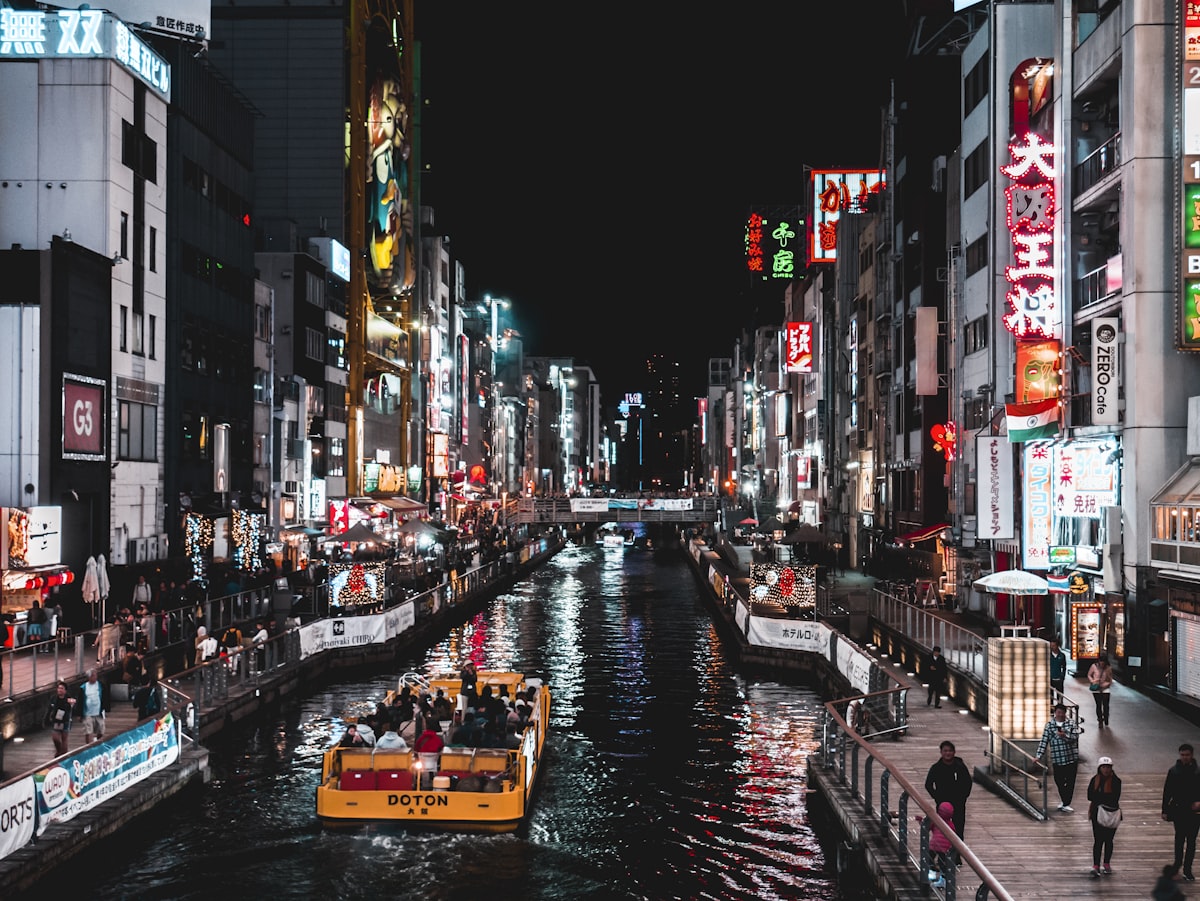
Dotonbori — Osaka's neon-lit entertainment district along the Dotonbori Canal
Dotonbori Osaka — Key Facts
- Location: Chuo Ward, Namba district, Osaka
- Nearest station: Namba Station — 5-minute walk (Midosuji Line, Sennichimae Line, Yotsubashi Line)
- Entry: Free — open 24 hours
- Best time: At night after 7pm when neon lights reflect off the dotonbori canal
- Street food budget: ¥1,500–3,000
- Main landmark: Glico Man sign above Ebisubashi Bridge
Dotonbori Street — What to See
Dotonbori street runs along the north bank of the Dotonbori Canal. The main promenade is a lively walking street lined with giant animated restaurant signs, food stalls, souvenir shops, and crab restaurants. The dotonbori street is the focal point of the entire Namba district. Key landmarks along dotonbori street include the Glico Man sign, the Kani Doraku giant moving crab sign, Kuidaore Taro, the Ebisubashi Bridge, and Hozenji Temple — all within a few minutes walk of each other. The north bank has all the restaurants and signs; the south bank is quieter and gives better views back across the dotonbori canal.
Glico Man — Osaka's Most Famous Landmark
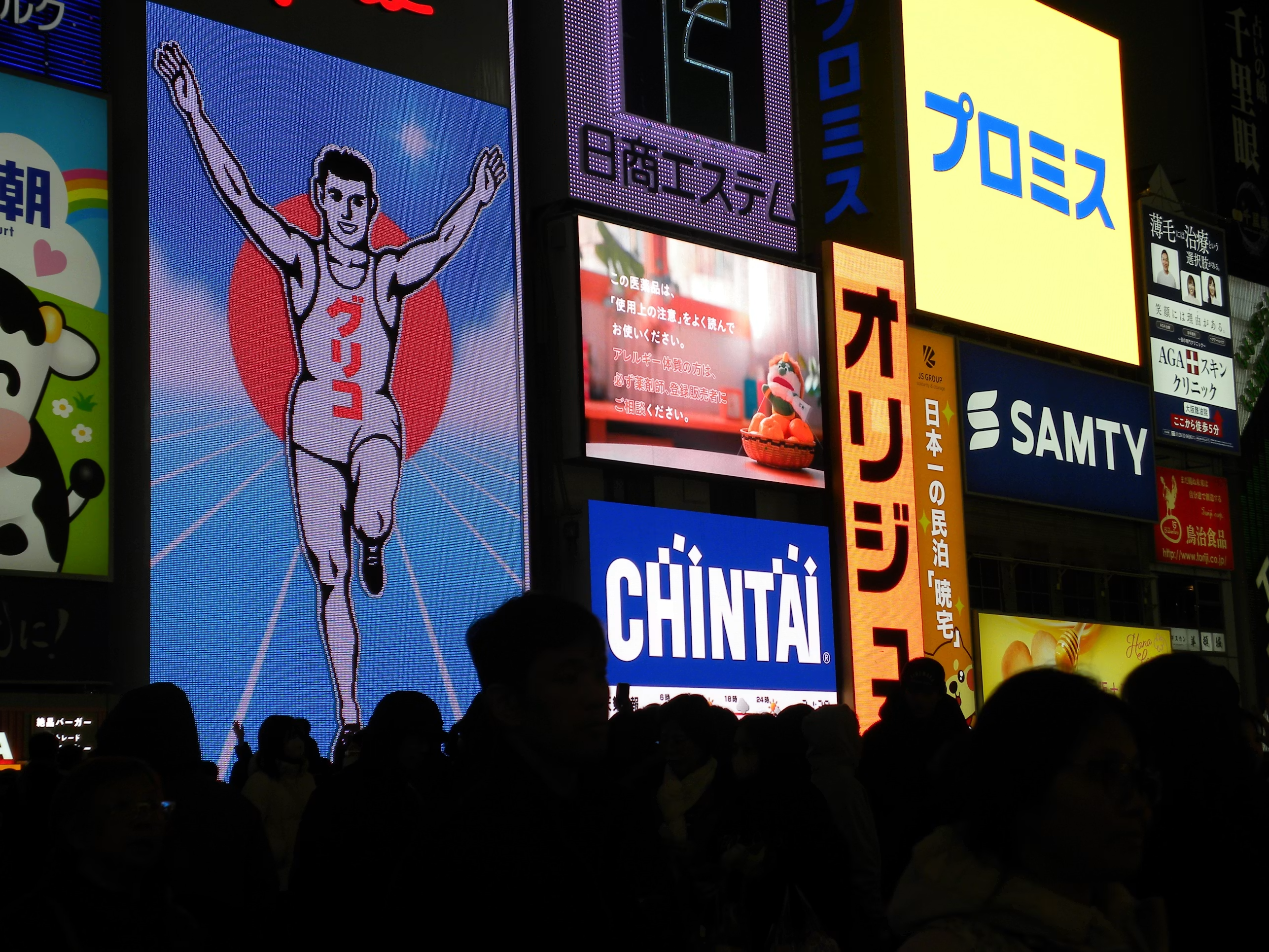
The Glico Running Man — 20 metres tall, first installed in 1935, above Ebisubashi Bridge
The Glico Man sign is the most famous place in Dotonbori and Osaka's most recognized landmark. The Glico Running Man — a neon figure of a man running with arms raised — is 20 meters tall and was first installed in 1935. The glico running man is located above Ebisubashi Bridge, where it overlooks the Dotonbori Canal. The glico man sign has changed several times — the current version is the sixth iteration — but the glico man running pose with arms raised has remained the same. The glico candy company has had its glico sign above Ebisubashi Bridge for nearly 90 years.
Glico Man Sign — Best Photo Spot
The Glico Man sign is best photographed from the Ebisubashi Bridge after dark. Stand on the south side of ebisubashi bridge and face east — the glico running man with arms raised appears above the canal against the neon lights backdrop. The sign is lit from dusk; the best photo light is between 7pm and 10pm. The glico man sign is the focal point of the entire dotonbori area and the single most photographed spot in the dotonbori district. Tourists line up along Ebisubashi Bridge every night to photograph the glico running man sign reflected in the dotonbori canal.
Dotonbori Canal — Boat Cruise
The Dotonbori Canal runs through the heart of the dotonbori area, separating the main dotonbori street (north bank) from the quieter south bank promenade. The canal began as a transport waterway in the 17th century and today is the scenic centerpiece of the dotonbori district. Dotonbori Canal boat cruises depart from near the Dotonbori Bridge — a relaxing way to see the neon lights and giant signs from the water. The boat cruise passes under the Nippombashi bridges and Ebisubashi Bridge, giving passengers views of the Glico Man sign, the giant moving crab, and the entire dotonbori canal from below.
Giant Moving Crab — Kani Doraku
Kani Doraku is a famous crab restaurant in Dotonbori known for the giant moving crab sign above the street. The giant moving crab is one of the most recognizable animated restaurant signs on dotonbori street — its mechanical legs move continuously. Kani Doraku is a crab restaurant specializing in osaka cuisine with fresh crab; it has received coverage in the Michelin guide. The giant moving crab alongside the Glico Man sign defines the visual identity of the dotonbori area.
Dotonbori Area — Street Food Guide
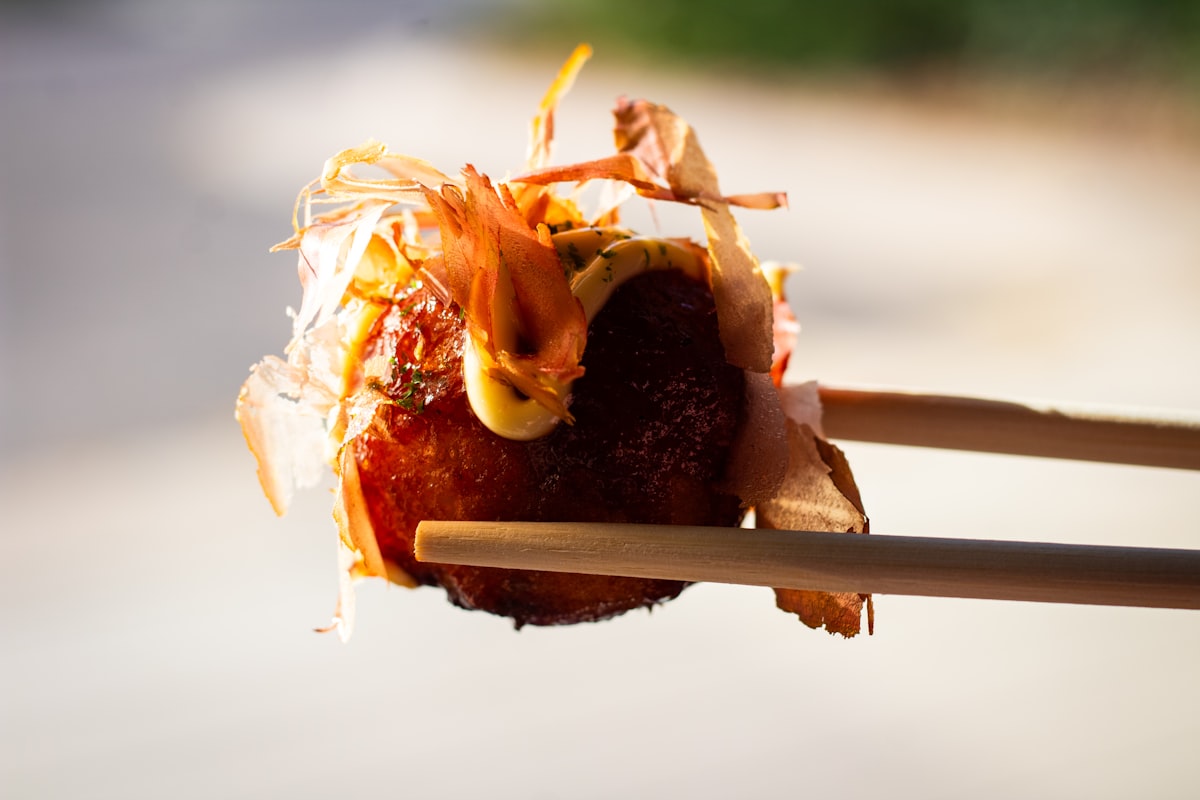
Takoyaki — Osaka's signature street food, cooked fresh on Dotonbori's food stalls
Dotonbori is a street food epicenter — a famous place to eat till you can eat no more. The Osaka expression "kuidaore" means to eat oneself into financial ruin. Food options in Dotonbori include takoyaki, okonomiyaki, and kushikatsu as the three must-try dishes. Every food stall on dotonbori street specializes in one dish, cooked fresh by a chef in front of you.
- Takoyaki — crispy batter balls filled with octopus, topped with bonito flakes and soy sauce; Osaka's signature street food cooked on a blue track griddle
- Okonomiyaki — osaka cuisine savory pancakes with cabbage, pork, and sweet sauce; cooked by a chef on a griddle
- Kushikatsu — deep-fried skewers of meat, vegetables, and seafood; never double-dip the soy sauce
- Melon pan — sweet pastry sold at food stalls near dotonbori; popular osaka street food
- Ramen — Kinryu Ramen on the main strip is open late; famous place with a giant dragon sign
- Sushi — multiple sushi and kyoto style sushi restaurants along the dotonbori canal
Melon Pan — Sweet Street Food in Dotonbori
Melon pan is a sweet Japanese pastry with a crispy cookie crust and soft interior — one of the most popular street foods on dotonbori street. Melon pan stalls near the main entrance to the dotonbori area are a popular stop for tourists arriving from Namba Station. The melon pan in dotonbori comes in flavors including matcha, chocolate, fried egg filling, and classic melon — served warm. Melon pan is cheap, delicious, and a fun part of the eat till experience of visiting dotonbori osaka.
Kuidaore Taro — Dotonbori's Mascot
Kuidaore Taro is the mechanical drum-playing clown mascot of Dotonbori — a local icon positioned at the entrance of a souvenir shop on dotonbori street. The name "kuidaore" means to eat oneself into financial ruin — the defining spirit of Osaka cuisine culture. Kuidaore Taro has stood on dotonbori street for decades and is one of the most photographed figures in the dotonbori area alongside the Glico Man sign. Kuidaore Taro is a focal point for tourists visiting dotonbori and represents the eat till spirit of osaka's food culture.
Hozenji Temple — Near Dotonbori
Hozenji Temple is a small moss-covered shinto shrine tucked in a narrow alley just off dotonbori street. Despite its tiny size, Hozenji Temple is one of the most atmospheric spots near dotonbori — the stone lanterns and mossy altar contrast sharply with the neon lights of the entertainment district. The temple is dedicated to Fudo Myo-o; worshippers pour water on the statue, which has grown thick with moss. Hozenji Temple is free to visit, open all hours, and a hidden gem one minute from the dotonbori canal. It is a famous place for locals and tourists alike seeking a moment of quiet.
Namba Station — Getting to Dotonbori
Dotonbori is a 5-minute walk from Namba Station. Namba Station connects to the Midosuji Line, Sennichimae Line, and Yotsubashi Line. From Namba subway station, take exit 14 to arrive directly on dotonbori street. Shinsaibashi Station on the Midosuji Line is also walkable — 10 minutes south through the Shinsaibashi shopping district. From Shin-Osaka (Shinkansen), the Midosuji Line to Namba takes about 15 minutes. From Kansai Airport, the Nankai Rapid reaches Namba in 45 minutes.
Dotonbori at Night — Theater District and Nightlife
Dotonbori at night is when the neon lights and dotonbori canal combine to create the most spectacular entertainment district atmosphere in Japan. The Shochikuza Theater — the only remaining kabuki theater in dotonbori — hosts traditional kabuki performances in the evening. The shochikuza theater is the cultural anchor of the dotonbori area. Dotonbori's theater culture began in 1626 and today the Shochikuza is the last surviving theater from that era. Visit dotonbori after dark for the full experience: the glico man sign illuminated above ebisubashi bridge, the giant moving crab rotating above the canal, the food stalls in full swing, and the neon lights of the dotonbori district at their most dazzling.