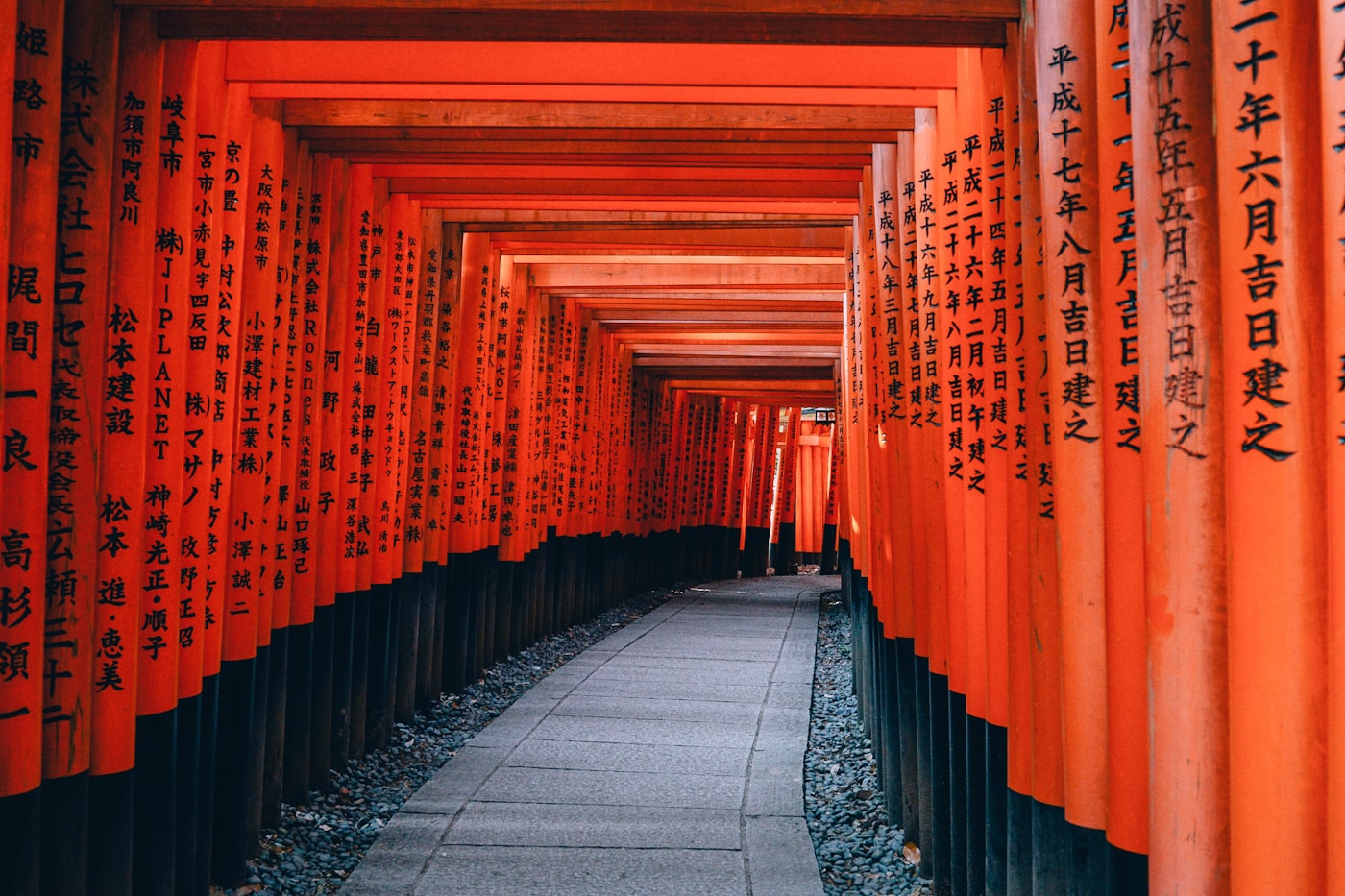
Fushimi Inari — Guide to the 10,000 Torii Gates
When to visit, how far to hike and what to see on Kyoto's most famous mountain walk.
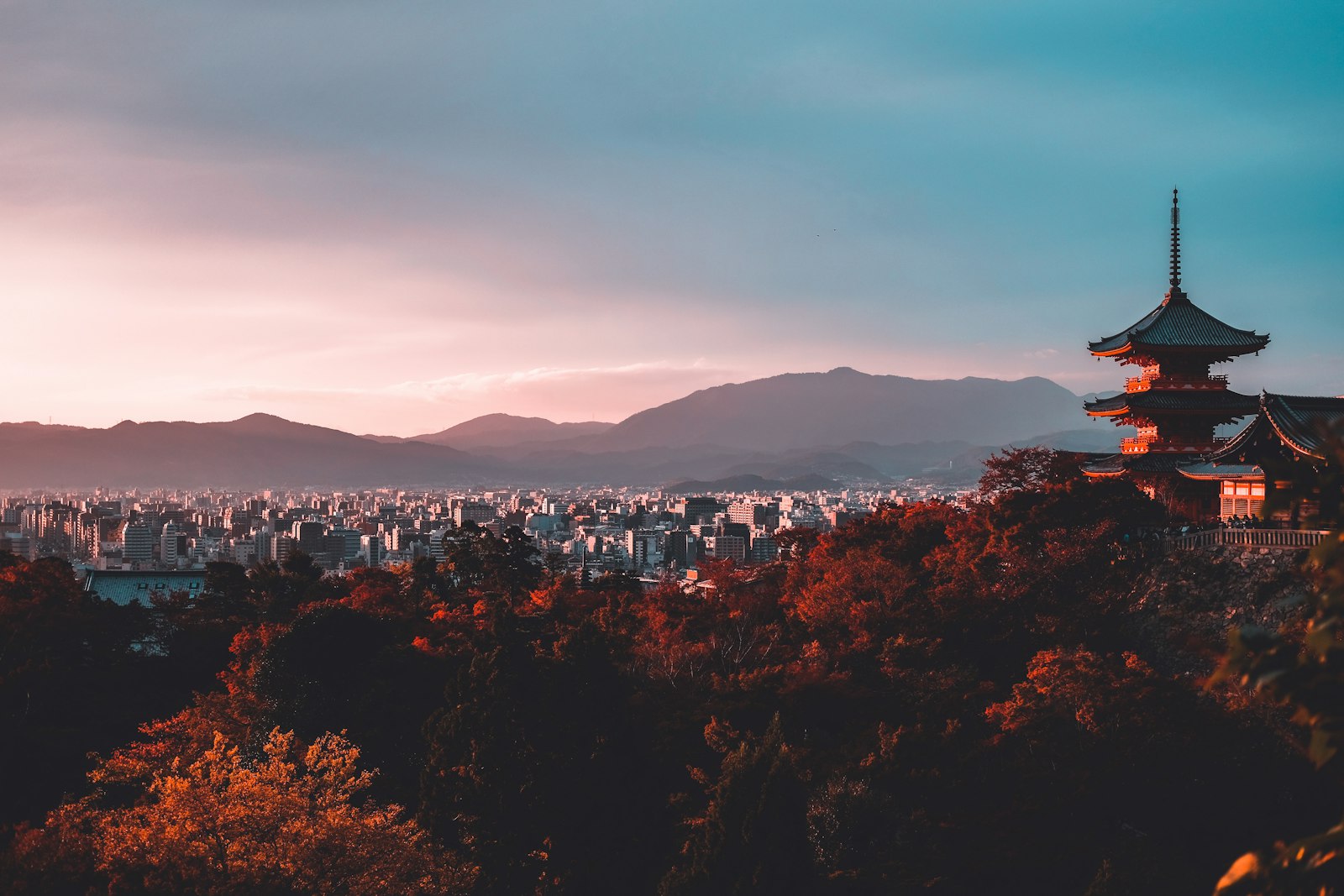
Japan's ancient capital with 1,600 temples, geisha districts, bamboo groves and the most refined cuisine on earth.
Kyoto is Japan's ancient capital — a city of beautiful temples, zen gardens, geisha districts and traditional Japanese culture preserved for many centuries. This Kyoto travel guide covers every neighbourhood: Kinkaku-ji's golden pavilion, Kiyomizu-dera, Gion's geisha streets, Nishiki Market and the Philosopher's Path. Whether you plan a 2-day kyoto itinerary or a full week, this guide helps visitors discover the best places to visit, stay, eat and explore in Kyoto Japan. Kyoto city was Japan's capital for over 1,000 years and remains the most beautiful destination in the country for traditional Japanese culture, famous temples and zen gardens.
Kyoto's must-visit spots reward every type of traveller. Kinkaku-ji golden pavilion is the most famous temple in Kyoto — a beautiful sight at any time of year. Kiyomizu-dera is a beautiful famous temple on the eastern mountains with fantastic city views. Fushimi Inari Taisha shinto shrine makes a fantastic day trip from downtown Kyoto — thousands of torii gates wind through the beautiful mountains. The Philosopher's Path runs along a canal lined with cherry blossoms in spring and beautiful fall foliage in autumn — one of the best places for a walk in Kyoto Japan. These beautiful temples and gardens make Kyoto a popular destination for visitors from around the world.
Click any spot on the map to learn more

Ivan Shirokov
Author
"Kyoto rewards those who wake early. Fushimi Inari at 6am with no crowds, Arashiyama bamboo at dawn — the city reveals itself to patient visitors."
Fast, reliable Shinkansen tickets — Tokyo to Kyoto in around 2 hours 15 minutes.
A 2-day kyoto itinerary covers Kinkaku-ji golden pavilion, Kiyomizu-dera, Nishiki Market and Gion. A 3-day kyoto itinerary adds the Philosopher's Path, Arashiyama bamboo groves and Nijo Castle. Plan a 4–5 day kyoto itinerary to visit all famous temples, discover beautiful zen gardens, explore neighbourhoods like Fushimi and take a day trip to nearby Nara or Osaka. Kyoto itinerary planning tip: visit famous temples early in the morning to avoid crowds — Kinkaku-ji, Kiyomizu-dera and Fushimi Inari all attract hundreds of tourists by 9 a.m. A Kyoto day pass makes travel between famous temples and zen gardens easy and saves money on public transport. Things to do in Kyoto are best planned by area — group downtown Kyoto sights together and outskirts temples on separate days for the most efficient itinerary.
Kinkaku-ji — the golden pavilion — is Japan's most famous temple and Kyoto city's most visited sight. The golden pavilion is covered in gold leaf and reflects in a beautiful pond — arrive early in the morning to avoid crowds and find the best places for photos. Kinkaku-ji golden pavilion is located on the outskirts of downtown Kyoto, about 30 minutes from Kyoto station by bus. The temple grounds are beautiful in every season — cherry blossoms in spring, lush gardens in summer, fall foliage in autumn and snow in winter. Visit Kinkaku-ji as part of a morning kyoto itinerary, then plan the afternoon at nearby Ryoan-ji zen gardens. The golden pavilion makes a beautiful and popular centrepiece of any kyoto travel itinerary.
The Philosopher's Path is a beautiful canal walk in eastern Kyoto lined with hundreds of cherry blossoms in spring and beautiful fall foliage in autumn — one of the best places for sightseeing in Kyoto Japan. The Philosopher's Path runs from Nanzen-ji temple to Ginkaku-ji silver pavilion — about 2 kilometres of beautiful gardens, traditional Japanese houses, local restaurants and small cafes. The Philosopher's Path makes a fantastic part of a 2-day kyoto itinerary — plan to walk it in the morning before crowds arrive at the famous temples nearby.
Gion is Kyoto's most famous neighbourhood — traditional Japanese houses line the streets and geisha can be spotted walking between dinner engagements in the evening. The best places to explore Gion are Hanamikoji Street and Shimbashi — both lined with beautiful machiya houses and local restaurants. A tea ceremony experience in Gion is one of the best things to do in Kyoto Japan — many local shops offer 45-minute sessions for visitors and families. Gion is walking distance from Nishiki Market and makes a fantastic evening addition to any kyoto itinerary.
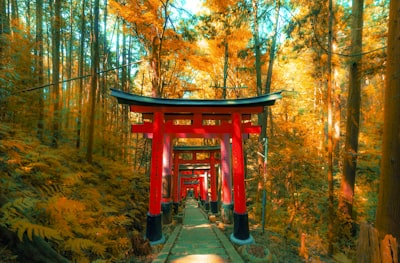 Iconic
Fushimi Inari — Guide to the 10,000 Torii Gates
When to visit, how far to hike and what to see on Kyoto's most famous mountain walk.
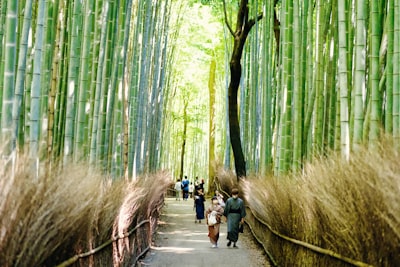 Nature
Arashiyama — The Complete Guide
Bamboo groves, monkey park and Tenryu-ji — Kyoto's most atmospheric district.
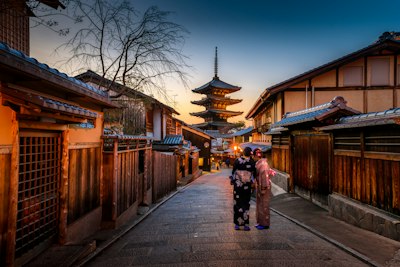 Culture
Gion — Kyoto's Geisha Quarter
How to explore Kyoto's most famous district — where to walk, what to see and geisha spotting tips.

Kyoto offers the best places to stay in Japan — from luxury hotel options with beautiful gardens to traditional ryokan accommodation with breakfast included. A ryokan is a traditional Japanese inn offering tatami rooms, yukata robes, communal baths and a kaiseki dinner and breakfast experience — the most authentic Kyoto accommodation for guests seeking traditional Japanese culture. Best places to stay in Kyoto for first-time visitors: downtown Kyoto near Kyoto station for easy travel, Gion for atmosphere, or the Philosopher's Path area for beautiful gardens and famous temples within walking distance. Luxury hotel options in Kyoto include the Four Seasons Kyoto, The Ritz-Carlton Kyoto on the Kamogawa river and Hotel Granvia Kyoto at Kyoto station. Vacation rentals and guesthouses in traditional Japanese machiya houses offer a comfortable and spacious alternative to hotel rooms in downtown Kyoto. Book hotel rooms and ryokan in advance for cherry blossom season and fall foliage — the best places sell out months ahead.
Kyoto station is the best location for first-time visitors — easy access to every famous temple and zen garden by train, subway and bus. Hotels near Kyoto station range from luxury hotel options to good value business hotels — rooms are comfortable and close to all public transport. The Kyoto station area is close to Nijo Castle, Tofuku-ji temple and Fushimi Inari — making it a fantastic base for a 2–3 day kyoto itinerary. Many visitors choose to stay near Kyoto station for the first night and move to a downtown Kyoto ryokan for the second night to experience both modern comfort and traditional Japanese accommodation.
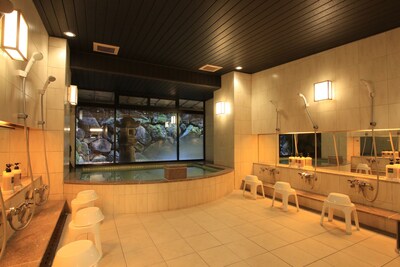 Ryokan
Best ryokan in Kyoto — traditional stays 2026
Sleep on tatami, wear a yukata and wake up to a kaiseki breakfast in Kyoto's finest ryokan.
Coming Soon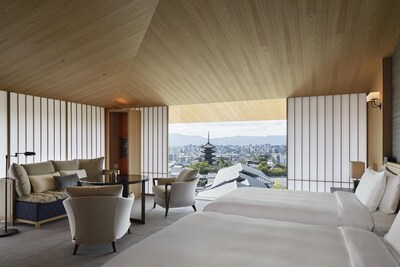 Higashiyama
Best hotels near Higashiyama — walk to the temples
Stay in Kyoto's most atmospheric neighborhood — everything within walking distance.
Coming Soon Budget
Best budget hotels in Kyoto — 2026 picks
Clean, well-located and affordable — the best value stays near Kyoto Station.
Coming Soon

Kyoto's food culture is centred on traditional Japanese cuisine — kaiseki multi-course dinner is the most famous Kyoto dining experience, available at ryokan and specialist restaurants throughout the city. Nishiki Market is the best place to eat local Kyoto food — try yudofu tofu hot pot, matcha sweets, pickled vegetables and fresh sushi from the market stalls. Kyoto gyoza and tempura are popular local restaurant meals — good value and delicious at downtown Kyoto restaurants near the Kawaramachi area. Lunch at a local restaurant near the Philosopher's Path or Gion is a fantastic part of any kyoto itinerary — many restaurants offer beautiful garden views. Eat breakfast at your ryokan if possible — traditional Japanese breakfast is one of the highlights of any Kyoto travel experience.
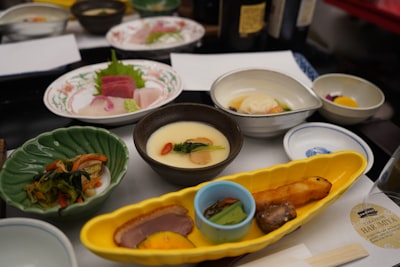 Kaiseki
Kaiseki in Kyoto — Japan's finest multi-course dining
From ¥5,000 lunch sets to ¥30,000 dinners — how to experience Kyoto's most celebrated cuisine.
Coming Soon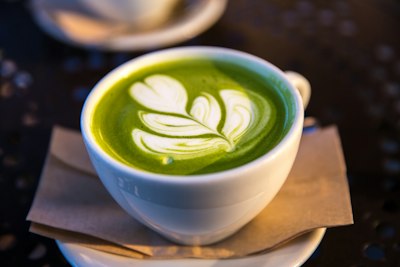 Matcha
Kyoto matcha guide — where to drink and eat it
The best matcha lattes, soft serve, desserts and ceremonial bowls in Kyoto.
Coming Soon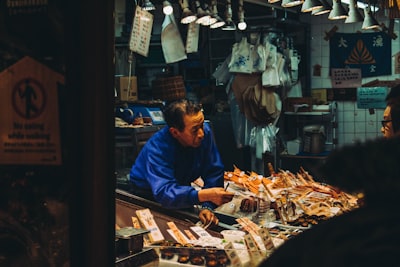 Markets
Nishiki Market — Kyoto's Kitchen
200 metres of food stalls, pickles, skewers and tofu — the best way to eat your way through Kyoto.
Coming SoonKyoto station is the main transport hub for Kyoto city — trains, subway, buses and taxis all run from Kyoto station to every famous temple and neighbourhood. The Kyoto city subway makes travel between downtown Kyoto and Kyoto station quick and easy — two subway lines cover the most popular kyoto itinerary routes. Buses are the best way to reach Kinkaku-ji golden pavilion, Arashiyama bamboo groves and other sights on the outskirts of Kyoto — a day pass covers all Kyoto buses and saves money. Taxis are widely available at Kyoto station and downtown Kyoto — useful for reaching temples early in the morning before buses run frequently. The IC card (Suica or Pasmo) works on all Kyoto trains, subway and buses — the easiest way to travel between beautiful temples and sightseeing spots on your kyoto itinerary.
Kyoto makes a fantastic base for day trips across the Kansai region. Nara is 45 minutes from Kyoto station by train — a beautiful day trip to feed deer and visit the famous Todaiji temple. Osaka is 15 minutes by express train — the best day trip for street food and exciting nightlife. Miyajima island near Hiroshima is a full-day trip from Kyoto by Shinkansen — the famous floating torii gate is one of Japan's most beautiful sights. Kanazawa is 2 hours from Kyoto station by train — a fantastic day trip for traditional Japanese gardens, museums and Kenroku-en park. The nearest airport to Kyoto is Osaka's Kansai International Airport — about 75 minutes from Kyoto station by Haruka express train.
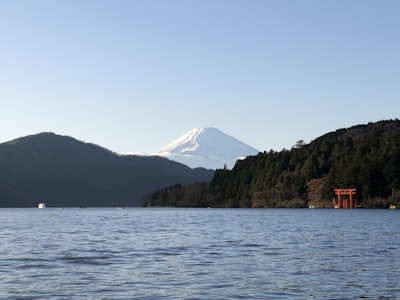 Day Trip
Hakone from Tokyo — the perfect day trip
Fuji views, volcanic valleys and hot springs — Japan's most rewarding day trip.
 Day Trip
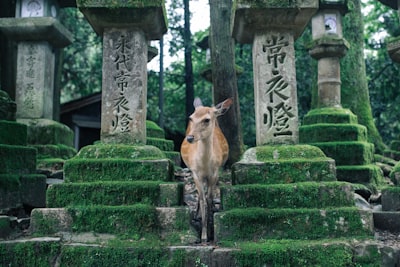
Nara from Kyoto — sacred deer and ancient temples
Just 45 minutes by express train — Nara's free-roaming deer and Todai-ji temple.
Coming Soon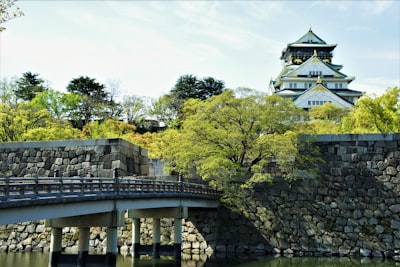 Day Trip
Osaka from Kyoto — food capital day trip
15 minutes by Shinkansen — Dotonbori, street food and the best takoyaki in Japan.
Coming Soon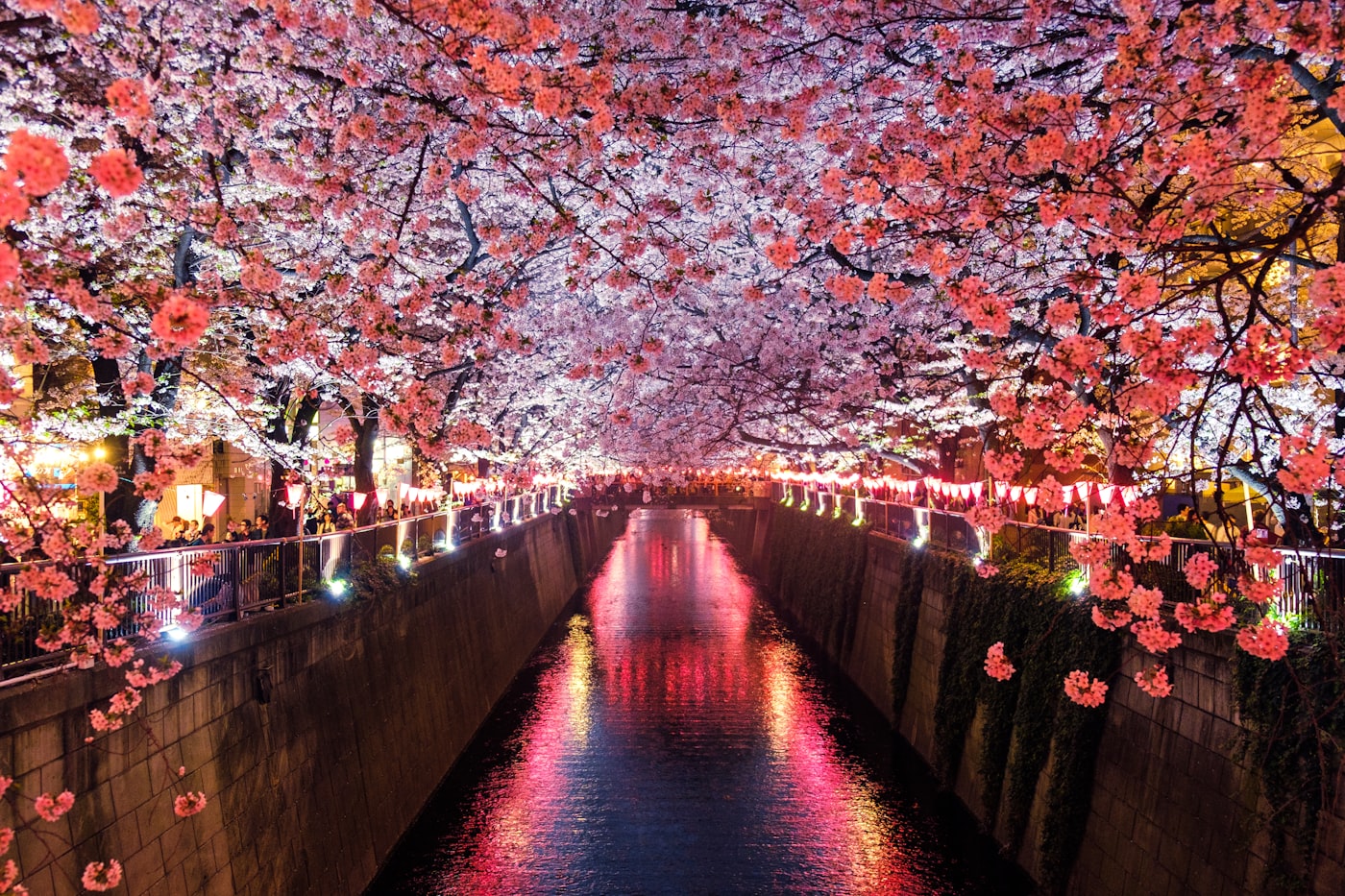
Cherry blossom season (late March to early April) is the most popular time to visit Kyoto — beautiful temples and the Philosopher's Path are lined with cherry blossoms in spring. Fall foliage in autumn (November) is the second best season — famous temples and zen gardens turn brilliant red and gold. Spring and autumn are the busiest seasons — book hotel and ryokan rooms months in advance. Winter is a beautiful and quiet time to visit Kyoto with snow on famous temples.
Two days covers Kinkaku-ji golden pavilion, Kiyomizu-dera, Gion and Nishiki Market — a tight but enjoyable kyoto itinerary. Three to four days lets you discover Arashiyama bamboo groves, the Philosopher's Path, Nijo Castle and beautiful temples at a relaxed pace. Five days or more makes it easy to plan day trips to Nara and Osaka while exploring every neighbourhood of Kyoto Japan.
Kyoto station is the main hub — trains and subway connect to downtown Kyoto and most neighbourhoods quickly and easily. City buses reach Kinkaku-ji, Arashiyama and temples on the outskirts — a day pass saves money. Taxis are available at Kyoto station and downtown Kyoto for early morning temple visits before crowds arrive. Walking is the best way to explore downtown Kyoto, Gion and the Philosopher's Path.
Downtown Kyoto near Kyoto station is the best location for first-time visitors — easy travel to all famous temples. A ryokan in Gion or near the Philosopher's Path offers the most beautiful and authentic Kyoto experience for guests. Luxury hotel options like the Four Seasons Kyoto and Ritz-Carlton Kyoto offer fantastic service and beautiful gardens. Book hotel and ryokan rooms early — cherry blossom season and fall foliage are the busiest times.
Nara (45 min) and Osaka (15 min) are the most popular day trips from Kyoto Japan. Miyajima island near Hiroshima is a full-day trip by Shinkansen — the famous floating torii gate is one of Japan's most beautiful sights. Kanazawa is 2 hours from Kyoto station by train — a fantastic day trip for traditional Japanese gardens and museums.