
"Walking Hanamikoji at dusk, when the lanterns come on and the lacquered doors open briefly to reveal a world you're not invited into — that's Gion. You won't see much. But the glimpse is everything."
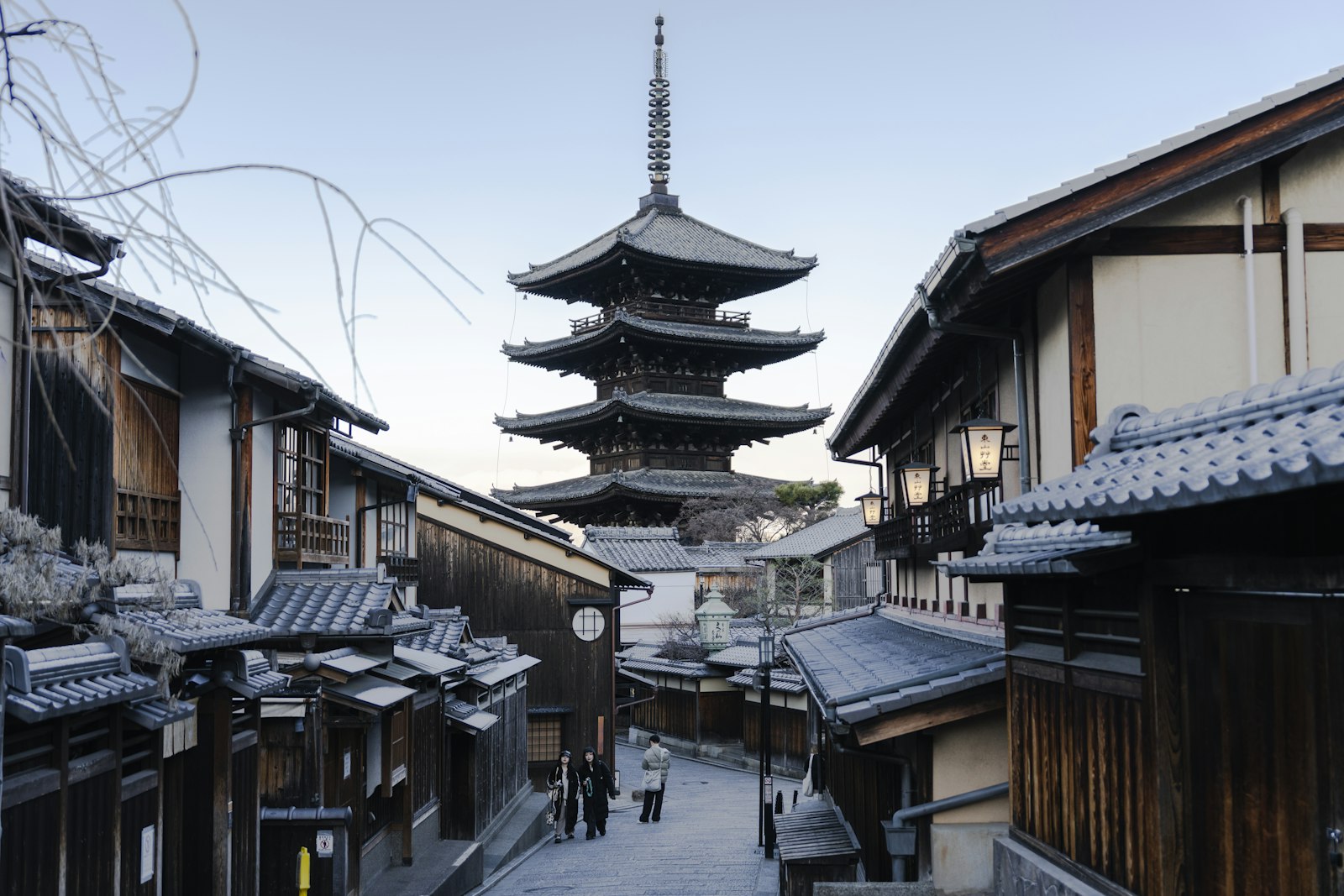
Gion is Kyoto's most famous geisha district and Japan's most popular geisha neighborhood. Located between the Kamo River and Yasaka Shrine in central Kyoto, the gion district has operated largely unchanged since the Edo period. The streets of Gion are lined with traditional wooden houses — machiya townhouses — and 60 tea houses where geiko and maiko perform for private guests.
In Kyoto dialect, the correct term is geiko (accomplished woman), not geisha. Apprentice geisha in training are called maiko. There are currently 70 geishas and 30 maikos working across gion's two geisha districts — Gion Kobu and Gion Higashi. Both geisha districts maintain strict traditions that form the heart of kyoto's geisha district culture.
The name Gion is derived from Gion-sha, now known as Yasaka Shrine. Gion began as a rest stop for travelers visiting Yasaka Shrine in the old capital of Kyoto. Gion's history dates back to the Sengoku period, and it was formally recognized as an entertainment district in the 18th century. The gion area remains the center of traditional Japanese performing arts, including the tea ceremony, traditional arts, and kyoto cuisine.
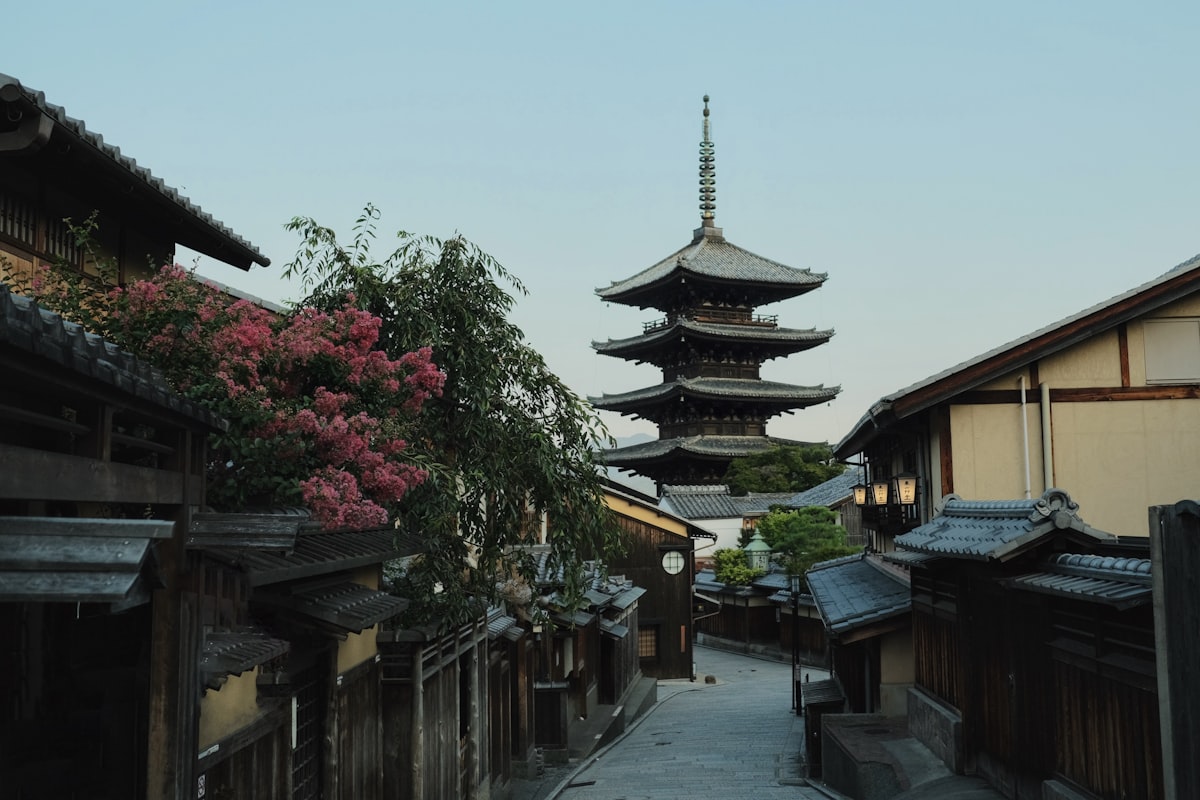
Gion district — narrow streets of wooden machiya line Hanamikoji, Kyoto's most atmospheric corner
Gion District — Key Facts
- Location: between the Kamo River (west side) and Yasaka Shrine (east), along Shijo Dori
- Main street: Hanami Koji — the most famous street in Gion
- Two geisha districts: Gion Kobu (larger) and Gion Higashi
- 70 geishas and 30 maikos working across 60 teahouses
- Best visited in the evening after dark
- Nearest station: Gion Shijo Station (Keihan Line)
- From Kyoto Station: Gion bus stop — bus 100 or 206, 20 minutes
Hanami Koji — Gion's Main Street
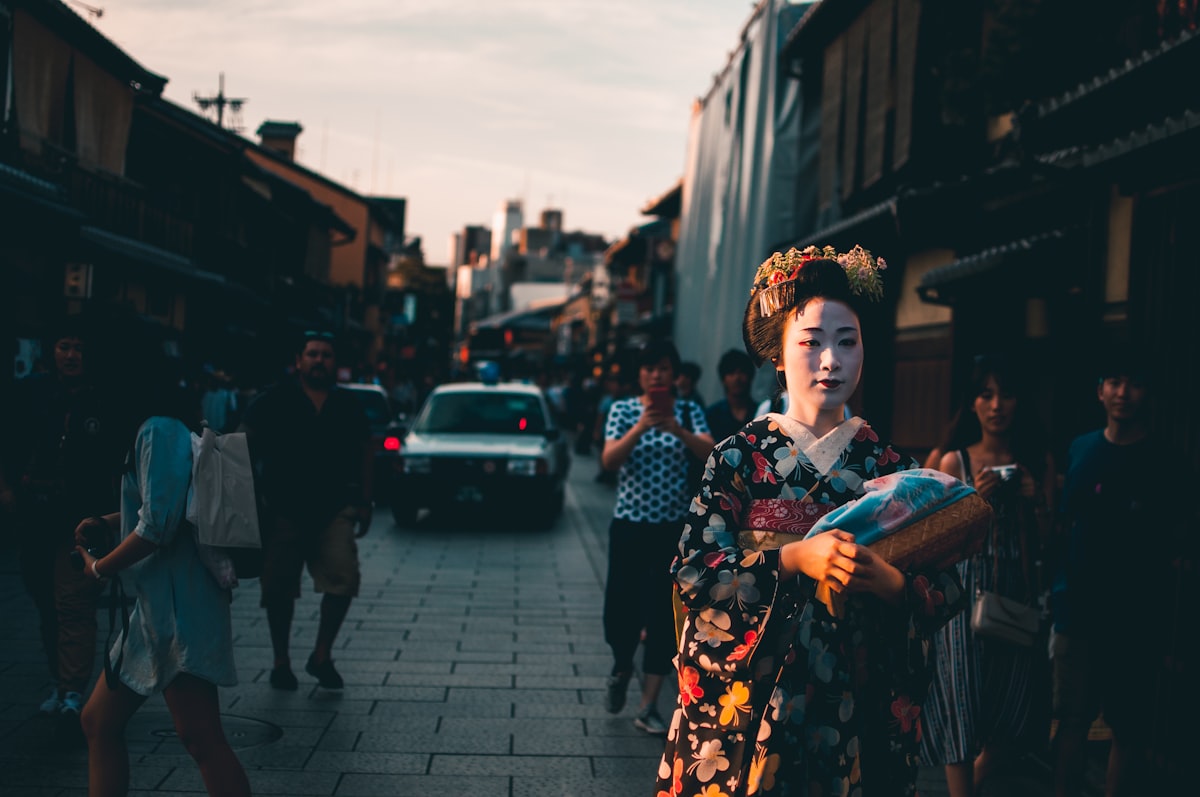
Hanami Koji — Gion's main street, lined with well-preserved machiya teahouses
Hanami Koji is the main street of Gion and its iconic landmark — a narrow street lined with traditional wooden houses and tea houses. Gion features well-preserved machiya houses along Hanami-Koji Street, one of the most famous streets in kyoto prefecture. The southern section (south of Shijo Avenue) is the authentic half; the northern side has more tourist-facing shops.
The tea houses on Hanami Koji are ochaya — private establishments where geiko and maiko entertain guests with traditional arts, japanese haute cuisine, kyoto style sushi, and matcha tea. Entry requires an introduction from an existing client. For foreign tourists seeking a cultural show, Gion Corner is the recommended alternative.
Ichiriki Chaya — Gion's Most Famous Teahouse
Ichiriki Chaya is Gion's most famous teahouse, established in 1701. Located at the corner of Shijo Dori and Hanami Koji, its distinctive red lacquered walls are an iconic landmark of kyoto's geisha district. Ichiriki Chaya has hosted the imperial family and remains a private ochaya — entry is by introduction only. Even from the outside, Ichiriki Chaya is a symbol of the gion area's traditional teahouses heritage. Gion has 60 teahouses in total; Ichiriki Chaya is the most celebrated.
Gion Shirakawa — The Loveliest Street in Asia
Gion Shirakawa — specifically Shirakawa-Minami Dori alongside the Shirakawa canal — is recognized as one of the loveliest streets in Asia. The canal, the stone bridges, the willow trees, the weeping cherry trees, and perfectly preserved traditional teahouses create a scene unlike anywhere else in Japan. Gion Shinbashi along the Shirakawa canal is recognized as an important preservation district of historic buildings in kyoto prefecture.
In cherry blossom season, Gion Shirakawa becomes one of the most photographed spots in Japan — cherry blossoms reflect in the canal beneath rows of wooden houses. Even outside cherry blossoms season, the evening light on the Shirakawa canal is extraordinary. Weeping cherry trees line the canal year round, making the gion shirakawa area worth visiting in every season.
Kyoto's Geisha District — Gion Kobu and Gion Higashi
Gion is divided into two geisha districts: Gion Kobu (the larger, more prestigious district on the west side) and Gion Higashi (east). Gion Kobu is home to the Miyako Odori — the Spring Dance — one of the most celebrated performances of geisha culture in Japan. Gion Odori is performed in Gion Higashi each autumn. Both dances performed in gion attract foreign tourists and locals seeking traditional arts and traditional japanese culture.
The 70 geishas and 30 maikos of gion train extensively in traditional arts: tea ceremony, music, dance, kyoto dialect, and authentic tea ceremony practices. Gion is the global center of geisha culture and a living example of traditional japanese performing arts that has survived into the modern era. Gion maintains a strong local spirit despite overtourism challenges.
Gion Area — Yasaka Shrine
Yasaka Shrine is considered the heart of gion and the shinto shrine from which the entire district takes its name. The shrine is famous for its glowing lantern-filled main hall — at night, hundreds of paper lanterns illuminate the main hall and torii gates, making Yasaka Jinja shrine a hidden gem for evening photography. Yasaka shrine is open 24 hours and is free to enter.
Yasaka Shrine hosts the Gion Matsuri festival — Japan's most famous traditional festival — each July. The shrine's grounds include a moss garden, traditional teahouses, and cherry blossoms in spring. Yasaka Shrine is located at the eastern end of Shijo Dori, a 10-minute walk from Gion Shijo station.
Gion Matsuri Festival — Japan's Most Famous Festival
Gion Matsuri began in 869 AD as a purification ritual to appease the gods during a plague. The festival is Japan's most famous traditional festival and Gion's most important cultural event. Gion Matsuri festival occurs throughout the entire month of July each year. The main parade — Yamaboko Junko — occurs on July 17, when enormous floats weighing up to 12 tons are pulled through the streets of Gion and central Kyoto. A second parade follows on July 24.
During Gion Matsuri, the streets of gion fill with locals in yukata alongside foreign tourists. The festival transforms the gion district into a massive outdoor celebration of traditional japanese culture and shinto shrine ritual. Gion Matsuri is best experienced in the evenings — the floats are illuminated after dark and food stalls line the streets from Shijo Avenue to the Kamo River.
Gion Corner — Traditional Arts Cultural Show
Gion Corner hosts daily performances of traditional arts — the most accessible way for foreign tourists to experience the dances performed in gion's tea houses. Gion Corner's program includes tea ceremony, ikebana, koto music, maiko dance, and bunraku puppet theatre. The cultural show runs twice nightly at Yasaka Hall near gion shrine. Tickets cost approximately ¥3,150. For visitors who cannot access a private ochaya, Gion Corner is the recommended entry point for geisha culture and traditional arts.
Geisha Districts — Watching Geiko and Maiko
The best chance of seeing real maiko or geiko in the gion district is between 6pm and 8pm on Hanami Koji, as geiko and geiko apprentices travel between engagements. Gion is best visited in the evening — the lanterns come on at dusk and the narrow streets of gion take on their most atmospheric quality. Do not chase, photograph without permission, or touch maiko and geiko. The gion area has implemented local rules to protect its working geiko and maiko from harassment by tourists alike.
Kenninji Temple — Gion's Hidden Gem
Kenninji Temple is the oldest Zen temple in Kyoto, founded in 1202, and is located at the southern end of Gion — just minutes from Hanami Koji. Despite being in Japan's most famous geisha district, Kenninji temple receives far fewer visitors than other Kyoto shrines and is one of gion's great hidden gems. The temple features stunning painted ceilings, a dry stone garden, and the famous twin dragons ceiling painting in the main hall. Entry ¥500. A walking tour of gion naturally combines Hanami Koji, Gion Shirakawa, Yasaka Shrine, and Kenninji temple in a single 2-hour circuit.
Kyoto Station to Gion — Getting There
From Kyoto Station, bus 100 or 206 reaches the Gion bus stop in 20 minutes for ¥230. The Gion bus stop is right at Yasaka Shrine on Shijo Dori. Alternatively, take the Keihan Line to Gion Shijo station — a 5-minute walk to Hanami Koji. From Kyoto Kawaramachi Station on the Hankyu Line, Gion is a 10-minute walk across the Kamo River. From Osaka, reach Gion via Kyoto Kawaramachi Station on the Hankyu Line. Gion is a 10-minute walk from Kiyomizu-dera Temple — the two are easily combined on a walking tour.
Gion Area — Eating and Drinking
Gion has some of Kyoto's finest restaurants offering japanese haute cuisine, kaiseki multi-course kyoto cuisine, kyoto style sushi, and traditional teahouses serving matcha tea. Seasonal ingredients are the foundation of kyoto cuisine — gion's restaurants change menus with the seasons. Several establishments in the gion area hold Michelin stars. For an authentic tea ceremony, several studios near the Shirakawa canal offer 30-minute sessions. For accessible kyoto cuisine on a local guide budget, the covered Nishiki Market is a 10-minute walk west on Shijo Avenue.