
"I've been to Hakone four times. I've seen Fuji clearly twice. Once it completely disappeared by 9am. The mountain does what it wants. Go in winter, go early, and manage your expectations — but when it appears, it's everything."
Hakone Mt Fuji Views — What to Expect
Hakone is a premier destination for viewing Mount Fuji — the closest major resort area to the iconic mountain, roughly 30km from the summit. Hakone mt fuji views are available from multiple locations across the hakone area, but whether mount fuji is actually visible depends almost entirely on weather and season. The best views of Mount Fuji from Hakone are from Lake Ashi, the Hakone Ropeway over Owakudani Valley, and Onshi Hakone Park — but only on clear days.
November to February is the best time for viewing Mount Fuji from Hakone. Clear days with cold, dry air provide the most stunning views of the snow-capped summit. Early mornings provide the best chances for clear views — visibility is often poor during midday due to fog and heat haze. By midday even on a clear day, conditions can deteriorate. Autumn months showcase vibrant colours and clear views — October and November are the sweet spot. In summer, poor visibility is common; many visitors see nothing of mount fuji during July and August.
Lake Ashi — Postcard Perfect Fuji Views
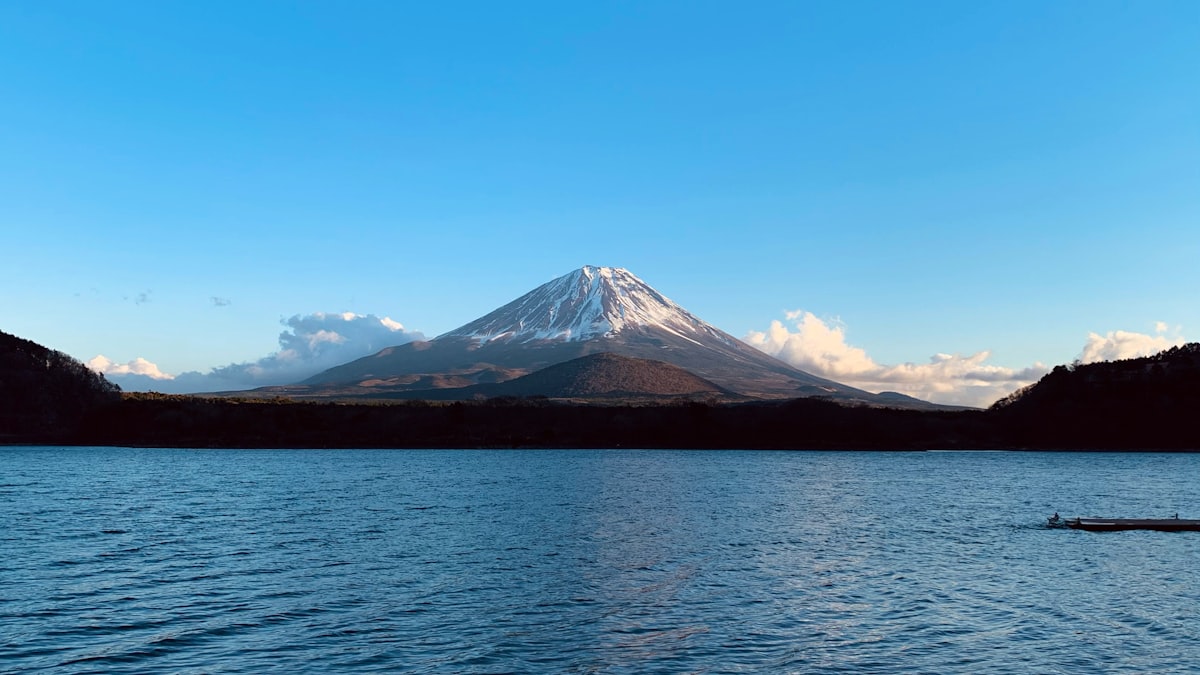
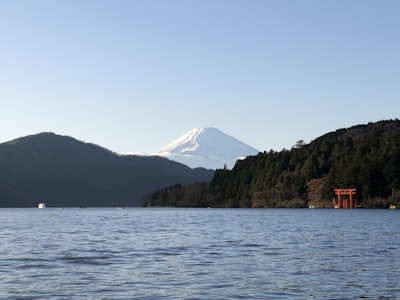
Lake Ashi — the postcard perfect view of Mount Fuji framed by Hakone Shrine's torii gate
Lake Ashi (Lake Ashinoko) offers the most famous and postcard perfect view of Mount Fuji in the entire hakone area. The combination of fuji reflected in the still lake water, with the floating torii gate of Hakone Shrine in the foreground, is one of the most reproduced images in Japan. Lake Ashi can be viewed from the shore in Moto Hakone — the best spot is from the Moto Hakone fishing pier, looking northwest across the lake area toward mount fuji on the eastern side.
The Hakone Sightseeing Cruise (Hakone pirate ship) allows views of mount fuji from the lake itself. The hakone sightseeing cruise crosses Lake Ashinoko between Togendai Station, Hakone Machi, and Moto Hakone — on a clear day, mount fuji appears above the treeline from the deck of the pirate ship. Arrive at the lake area before 8am for mirror-flat water and golden light. By 9am the light is harsher and tour groups arrive. The Hakone Free Pass covers the hakone pirate ship and most transportation around the lake.
Hakone Ropeway — Aerial Fuji Views
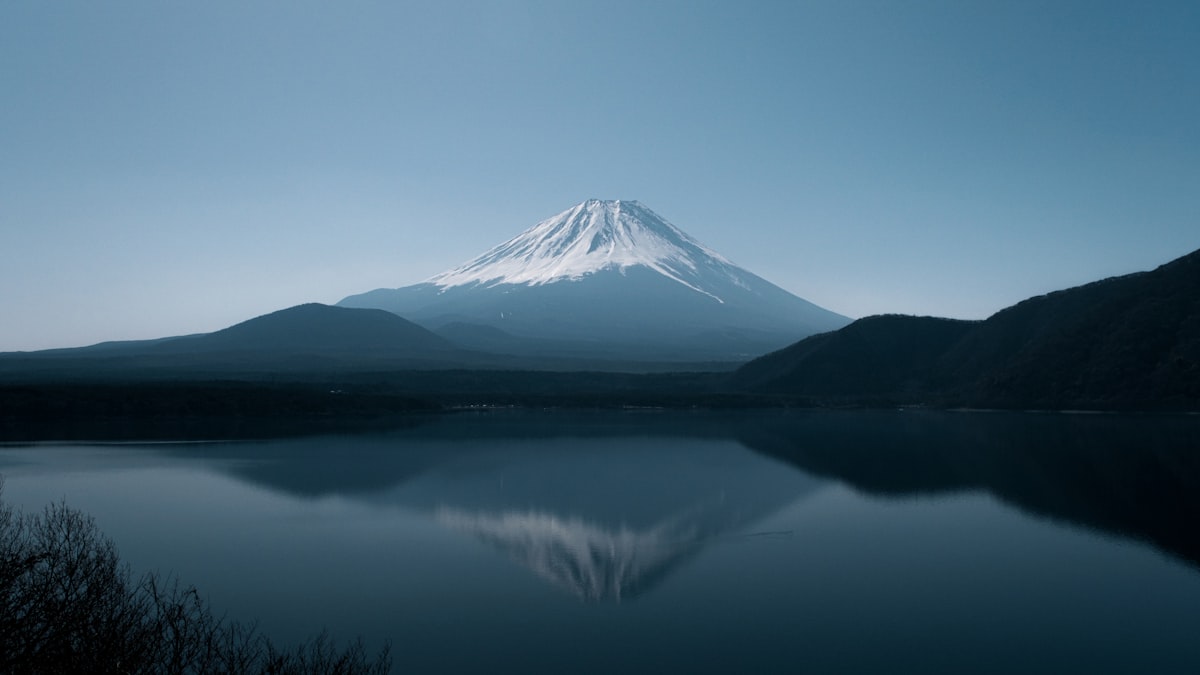
The Hakone Ropeway — panoramic aerial views of Mount Fuji from above Owakudani Valley on clear days
The Hakone Ropeway provides panoramic aerial views of Mount Fuji — the ropeway connects Sounzan with Togendai and passes directly over Owakudani Valley at elevation. The Hakone Ropeway offers panoramic views of mount fuji on clear days from the gondola as it crosses the volcanic valley. Owakudani Valley offers excellent views of Mount Fuji from its station at 1,044 metres — the highest accessible viewpoint in the hakone area. On clear days, the views of mount fuji from above the steaming vents of Owakudani are extraordinary.
Sit on the left side of the gondola travelling from Sounzan to Togendai for the best fuji views. Mount fuji appears on the right on the return journey. The Hakone Ropeway is part of the Hakone Loop route and covered by the Hakone Free Pass. For the most incredible view from the ropeway, visit hakone in November to February on a clear morning.
Hakone Shrine — Fuji Views with the Torii Gate
Hakone Shrine at Moto Hakone offers the iconic combination of mount fuji visible through and above the red torii gate standing in Lake Ashi. Lake Ashi offers views framed by Hakone Shrine's torii gate — the most photographed single image in the hakone area. The view of mount fuji rising above the lake with the torii in the foreground is only possible on clear days; arrive early morning for the best light and lowest crowds. The shrine is free to visit and a short walk from the pirate ship pier at Moto Hakone.
Hakone Sightseeing Cruise — Fuji from the Lake
The Hakone Sightseeing Cruise crosses Lake Ashinoko on distinctive pirate ships between Togendai Station, Hakone Machi, and Moto Hakone. The hakone sightseeing cruise allows views of mount fuji from the lake — on a clear day, the mountain appears above the trees on the western shore as the boat crosses the lake area. The cruise is covered by the Hakone Free Pass and takes about 30–40 minutes.
Early morning departures from Togendai Station offer the best chance of clear fuji views before midday haze builds. For the best views of mount fuji from the cruise, sit on the right side travelling from Togendai toward Moto Hakone.
Best Views — Top Spots in the Hakone Area
- Lake Ashi shore (Moto Hakone) — the postcard perfect fuji view with the torii gate; best before 8am
- Hakone Ropeway (over Owakudani) — elevated panoramic views from the gondola; incredible view on clear days
- Onshi Hakone Park — a quiet spot for viewing Mount Fuji with lake and mountain views from the park grounds; fewer crowds than Moto Hakone shore
- Narukawa Art Museum — features a large observation lounge with fantastic views of mount fuji and Lake Ashinoko from indoors; great option in poor weather
- Taikanzan — offers panoramic views of Lake Ashi and Mount Fuji from the hill above Moto Hakone; a popular day hike
- Komagatake Ropeway — provides panoramic views of the surrounding area including mount fuji from the summit of Mount Komagatake
- Mount Kintoki — a popular day hike from Hakone Yumoto Station that provides incredible views of Mount Fuji from its peak; Mount Kintoki is one of the best hiking options in the hakone area for fuji views
Fuji Five Lakes — Alternative Fuji Views
The Fuji Five Lakes region (fuji five lakes) — including Lake Kawaguchi (Lake Kawaguchiko) — offers even closer views of mount fuji than hakone, roughly 20km from the summit on the northern side. For iconic mount fuji views with the five lakes in the foreground, the fuji five lakes area is worth a dedicated visit. Lake Kawaguchi is the most accessible of the five lakes from Tokyo and offers different perspectives on mount fuji than the hakone area.
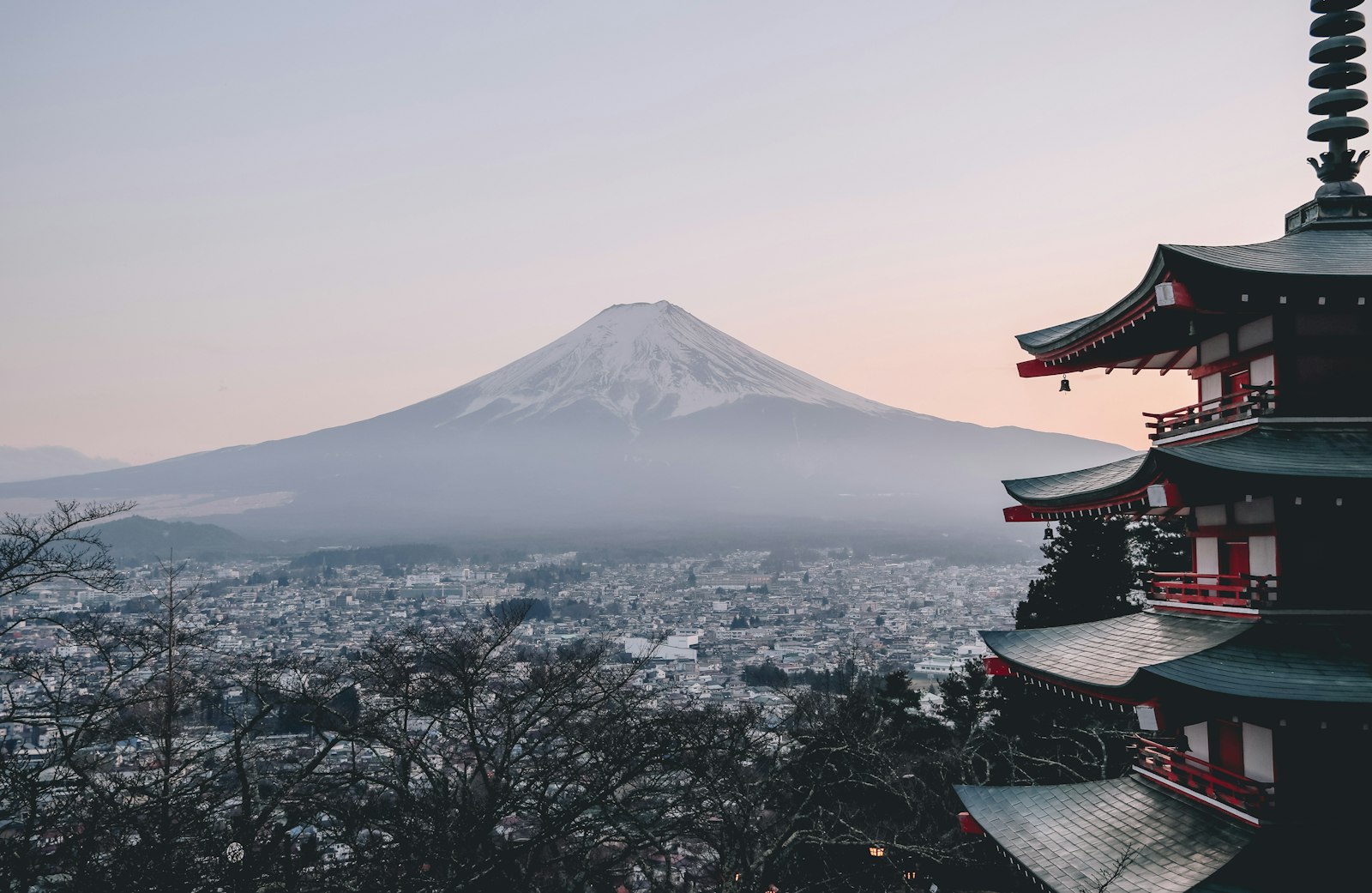
The fuji five lakes region is particularly famous for cherry blossoms with mount fuji in spring — Chureito Pagoda is the signature image. For visitors with limited time, hakone offers the most scenic overall destination with multiple fuji views; for dedicated mount fuji photography, the five lakes area allows closer and more dramatic perspectives.
Onshi Hakone Park — Quiet Fuji Views
Onshi Hakone Park provides a quiet spot for viewing Mount Fuji away from the main crowds at Moto Hakone shore. The park is a former imperial villa site with landscaped gardens, lake views, and clear sight lines toward mount fuji on the eastern side. Onshi Hakone Park offers a quieter view of mount fuji than the torii gate shore and is especially atmospheric in autumn when the park's trees turn colour. Free to enter. A short walk from the Hakone Sightseeing Cruise pier at Moto Hakone.
Getting to Hakone — Station and Transport Guide
Most people visit hakone from Tokyo, taking the Romancecar shinkansen from Shinjuku Station — the journey to Hakone Yumoto Station takes about 85 minutes. The Hakone Free Pass is the best way to visit the area — the pass includes unlimited travel on the Hakone Tozan Railway, the ropeway between all stations, and the Lake Ashi cruise between each port. Buy the pass at Shinjuku Station or Odawara Station.
From Hakone Yumoto Station, the Hakone Tozan Railway runs up to Gora Station; from Gora Station take the funicular to Sounzan Station, then the ropeway to Owakudani Station and on to Togendai Station. The pass includes the cruise between Togendai port, Hakone Machi port, and Moto Hakone port. Most bus routes in the hakone area also accept the pass. Good itinerary planning ensures you visit each station and spot in a single day.
The Hakone Free Pass includes transport, selected museum entry discounts, and free access to the ropeway between all four stations. Trains from each station run on regular schedules throughout the day. Taking the bus is a good way to reach spots between ropeway stations. The station at Hakone Yumoto is the main transport hub — most people arrive here first and plan their onward route. The full Hakone Loop route takes about a full day to complete, visiting each station, the ropeway, the cruise, and the main spots along the way.
Fuji From Hakone — Izu Peninsula and Suruga Bay
Fuji from hakone can also be seen across Suruga Bay from certain elevated viewpoints in the hakone area — on exceptionally clear days, mount fuji rises above the Izu Peninsula and its reflection appears in the water. The Izu Peninsula to the south and Mount Ashigara to the east frame the views from various viewpoints in the hakone area. Mount Kintoki above Hakone Yumoto Station provides one of the most dramatic views of mount fuji in the entire region — a popular day hike that takes about 2 hours to the summit.
Hot Spring Baths — Fuji Views from the Onsen
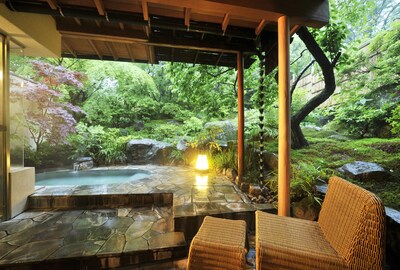
Hot spring baths with fuji views are the defining luxury of visiting hakone. Hot springs in hakone are fed by volcanic water from the Owakudani Valley and surrounding mountains. The classic experience is to stay overnight at a ryokan with a balcony or open-air onsen facing mount fuji — soak in hot spring baths while looking at snow-capped fuji at dawn.
Hot springs in the hakone area include facilities at every accommodation level from budget foot bath to luxury ryokan with private onsen. Many ryokan offer a foot bath in the hotel lobby or garden — a relaxing way to enjoy mount hakone scenery even on cloudy days when fuji is hidden.
Hot Springs — Walk-In Foot Bath Options
Hot springs for day visitors are widely available in Hakone Yumoto and throughout the hakone area. A foot bath (ashiyu) can be enjoyed without a full onsen visit — outdoor foot bath facilities are free or inexpensive and offer a relaxing way to rest during visiting hakone. Several foot bath facilities near Hakone Yumoto Station are available with or without air conditioning. For a full hot spring bath without staying overnight, multiple day-use onsen facilities in the hakone area allow round trip visitors to soak for 1–2 hours. Souvenir shops near the foot bath facilities stock local hakone gifts.
Accommodation — Stay Overnight for the Best Views
The best views of Mount Fuji from Hakone require staying overnight — early morning before 8am is when the mountain is clearest, and you need to be already at the lake area or on a ryokan balcony at dawn. Accommodation options in the hakone area range from budget hotels to luxury ryokan:
- Ryokan with fuji-facing balcony — the classic experience; book specifically requesting a mount fuji view room
- Gora Kadan — luxury ryokan with onsen and fantastic views of the surrounding hakone area mountains
- Hotel with balcony facing Lake Ashi — for the torii gate and fuji combination at dawn from your room
- Moto Hakone area hotels — closest to the lake shore viewpoint; best for early morning fuji views
November to February provides the best views if you stay overnight — clear skies in winter and the snow-capped summit make mount fuji most dramatic at this time of year. A two-night stay dramatically increases your chances of seeing mount fuji at least once on a clear morning.
What to Do When Fuji Is Hidden
Poor visibility of mount fuji is common — hakone is worth visiting regardless of whether fuji is visible. The Hakone Loop, Open Air Museum, Gora Park, Owakudani Valley steaming vents, hot spring baths, and the hakone sightseeing cruise are all worth experiencing in any weather. If fuji is obscured, the mountain sometimes clears in the late afternoon as temperatures drop. Check visibility updates on the Hakone Ropeway official website. Pampas grass fields near the lake area are spectacular in autumn even in poor visibility. Enjoy nature in the hakone area — the valley, trails, and mountain scenery are beautiful regardless of whether mount fuji is visible on your specific visit.