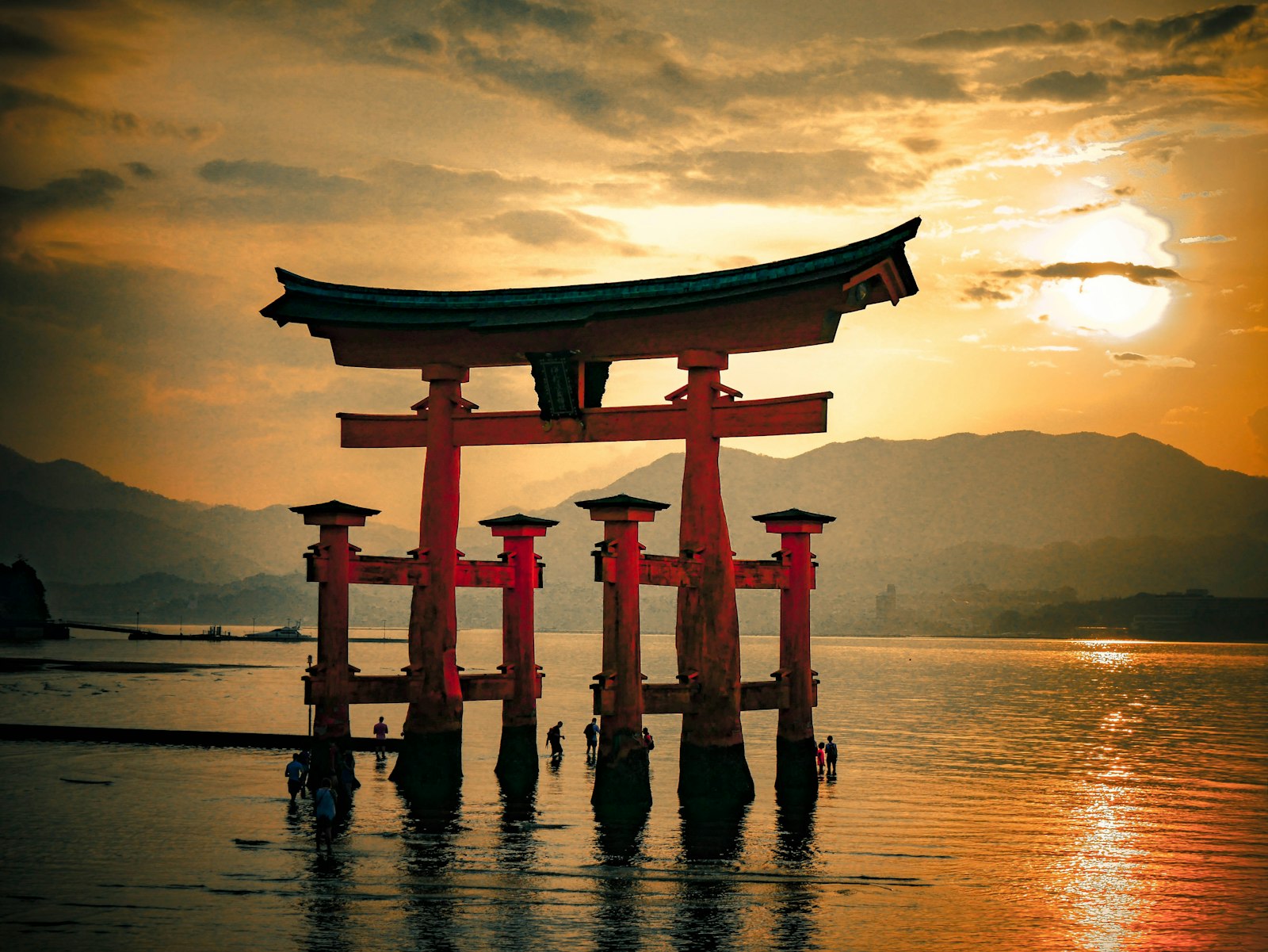

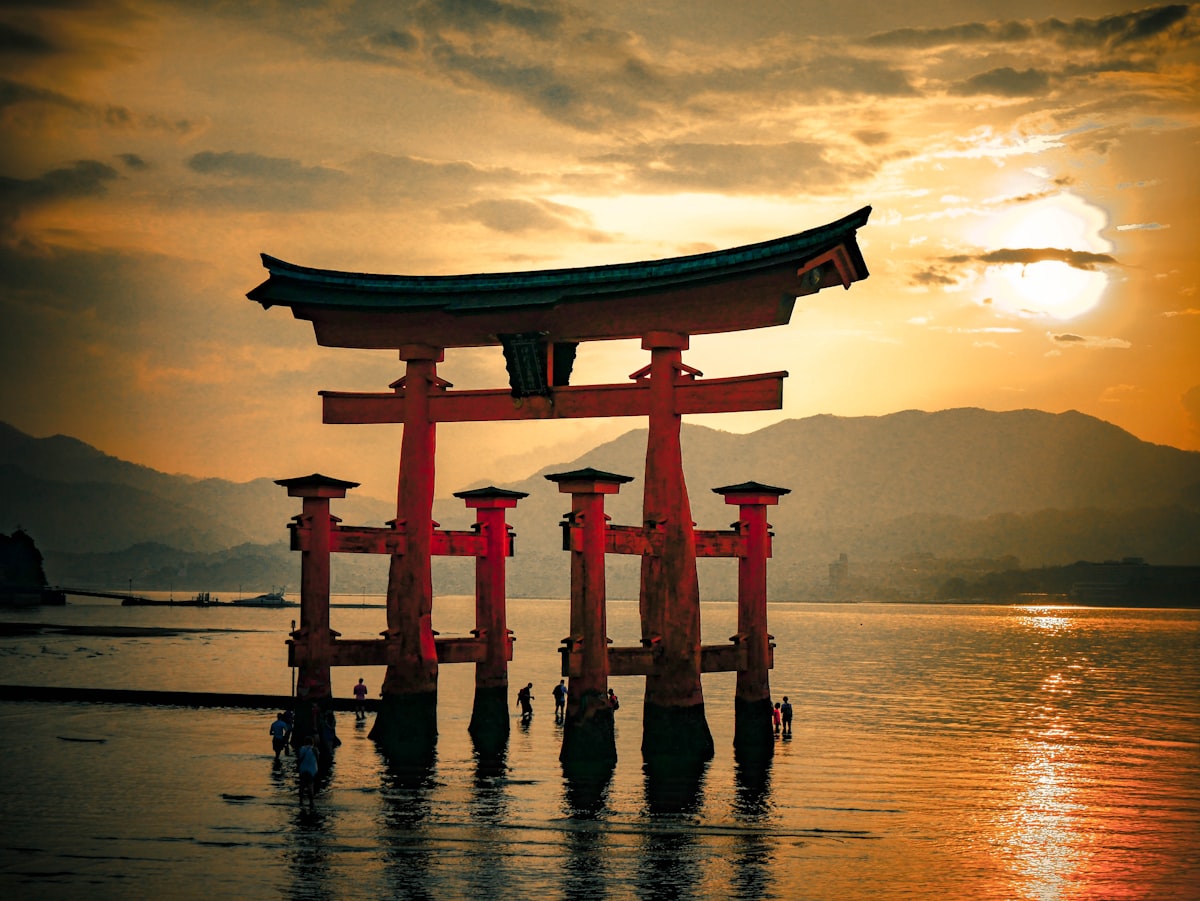
"Miyajima at high tide, just after sunset, when the torii glows against the dark water and most day visitors have already left — that's one of the most beautiful things I've seen in Japan. Stay overnight if you possibly can."
Miyajima Island — officially Itsukushima Island — is one of Japan's Three Views (Nihon Sankei) and one of Japan's most visited sacred sites. The shrine island sits in the Seto Inland Sea, 10 minutes by ferry ride from Miyajimaguchi on the mainland. The floating torii gate of Itsukushima Shrine, rising from the sea at high tide, is one of the most photographed images in all of Japan and a UNESCO World Heritage Site.
Beyond the torii gate, miyajima island has Mount Misen (535m) with the Miyajima Ropeway, Daisho-in Temple, Momijidani Park, Daiganji Temple, the Goju no To Pagoda, over 2,000 free-roaming sacred deer, and excellent street food along Omotesando Street. The small island rewards visitors who stay overnight — staying overnight gives access to the floating torii at sunset and sunrise without crowds.
Miyajima Island — the floating torii gate of Itsukushima Shrine at high tide in the Seto Inland Sea
Miyajima Island — Key Facts
- Location: Seto Inland Sea, Hiroshima Prefecture
- Ferry ride: 10 minutes from Miyajimaguchi ferry terminal
- From Hiroshima Station: JR Sanyo Line to Miyajimaguchi Station (25 min) + ferry (10 min)
- JR Pass: covers JR Sanyo Line and JR Ferry
- Itsukushima Shrine entry: ¥300
- Miyajima Ropeway: ¥1,000 return
- Deer: over 2,000 roam freely — sacred messengers in shinto belief
- Peak seasons: late March–early April (cherry blossoms), October–November (autumn foliage)
Floating Torii Gate — High Tide and Low Tide
The floating torii gate of Itsukushima Shrine is the iconic symbol of miyajima island. The floating torii is 55 feet tall — one of the largest wooden torii in Japan. The current torii gate was built in 1875 and is made of camphor wood, which is rot-resistant. No metal nails were used in the shrine's floor construction — traditional japanese carpentry holds the entire structure together. The custom of building torii gates over the sea comes from shinto belief that the entire island is sacred.
At high tide, the water surrounds the base completely and the gate appears to float on the sea level — the classic floating torii image. At low tide, the sea recedes and visitors can walk across the exposed seabed directly to the gate and touch its base. Both experiences are worth seeing. Check the Miyajima Tourist Association website for daily tide schedules before you visit.
Itsukushima Shrine — UNESCO World Heritage Site
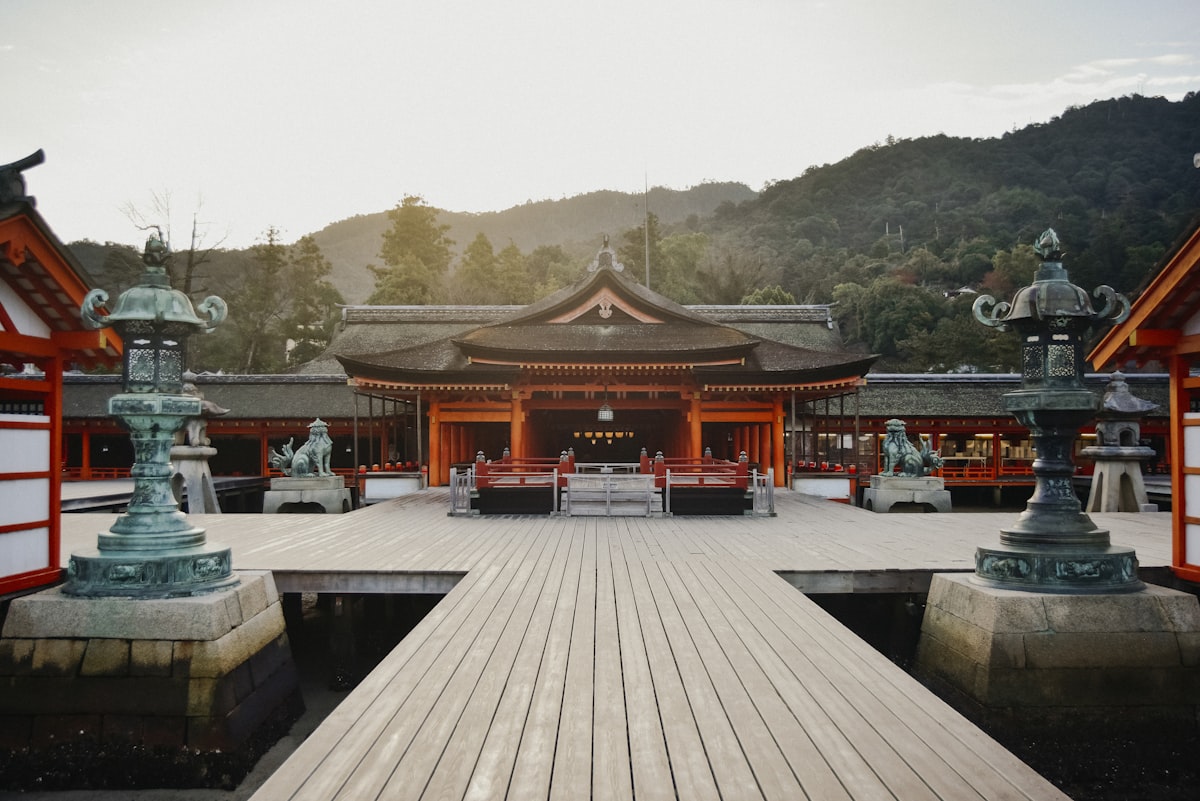
Itsukushima Shrine — the orange corridors extend over the sea, built on wooden stilts above the water
Itsukushima Shrine was first built in the 6th century and is dedicated to three daughters of the shinto deity Susanoo. The shrine complex is a UNESCO World Heritage Site and one of Japan's most important shinto shrine sacred sites. Built over the water on wooden stilts, the shrine features orange corridors that extend over the inland sea. No metal nails were used in the floor construction. At high tide, the reflection of the orange pillars in the water is extraordinary. Entry costs ¥300. The Goju no To Pagoda (five-story pagoda) stands nearby and is visible from the shrine.
Sacred Sites — Daisho-in Temple
Daisho-in Temple is a significant Buddhist temple at the base of Mount Misen and one of the most important sacred sites on miyajima island. The Daisho-in Temple contains a buddhist library, prayer wheels, a stone lantern path, and the famous row of stone Jizo statues. Daisho-in is quieter than the Itsukushima Shrine area — a hidden gem among miyajima island's sacred sites. The Daisho-in Course hiking trail begins near the temple and is the recommended route up Mount Misen for scenic views.
Miyajima Tourist Association — Planning Your Visit
The Miyajima Tourist Association provides daily tide schedules, ferry timetables, and island maps. The floating torii tide schedule on the miyajima tourist association website is the essential planning resource — high tide and low tide times shift every day. Peak seasons are late March to early April (cherry blossoms) and October to November (autumn foliage on maple trees). Staying overnight during peak seasons allows you to experience the shrine island without day-trip visitor crowds at the floating torii and Itsukushima Shrine.
Day Trip from Hiroshima — How to Plan
A day trip from hiroshima to miyajima island is one of the most popular itineraries in Japan. Most visitors combine miyajima with the Peace Memorial Museum as a full-day Hiroshima itinerary. The ferry ride to the island takes 10 minutes. The JR ferry from Miyajimaguchi ferry terminal is covered by the JR Pass. Budget at least 4 hours on the island — ideally a full day — to cover the floating torii, Itsukushima Shrine, Daisho-in Temple, and Mount Misen via the ropeway.
Get to Miyajima — Train and Ferry
Take the JR Sanyo Line from Hiroshima Station to Miyajimaguchi Station — about 25 minutes. Walk 3 minutes from Miyajimaguchi Station to the ferry terminal. The JR ferry ride to Miyajima Island takes about 10 minutes. Ferry services run from morning until night. JR Pass holders can use both the JR Sanyo Line and the JR Ferry for free. From central hiroshima, tram lines 2 or 6 reach the Hiroshima ferry terminal for the alternative JR ferry route — total journey about 30–35 minutes.
Miyajima Ropeway — Mount Misen Access
Miyajima Ropeway — two stages from Momijidani Station to the upper station, then a 30-minute walk to the summit
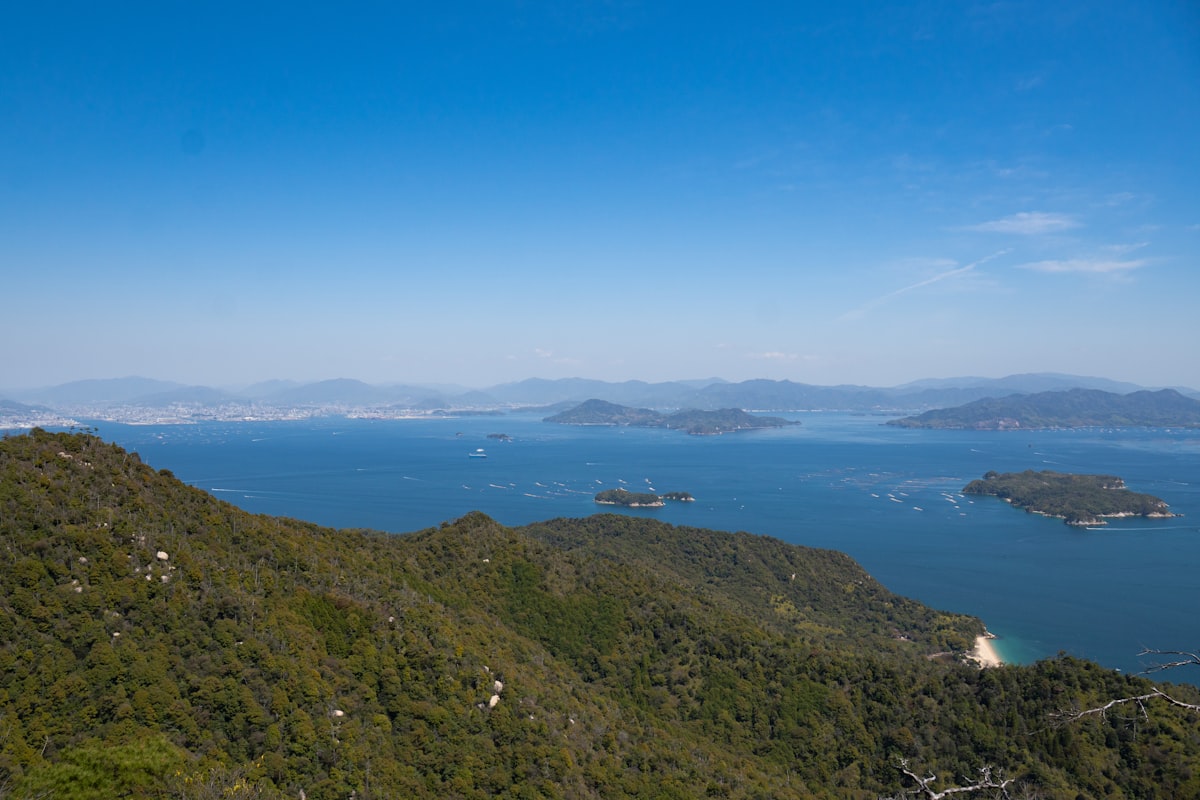
The Miyajima Ropeway departs from Momijidani Station in Momijidani Park and runs in two stages to the Shishiiwa Observatory. Mount Misen's peak is 535 meters high and offers 360-degree views of the Seto Inland Sea. The Miyajima Ropeway costs ¥1,000 return. From the Shishiiwa Observatory upper station, a 30-minute walk reaches the summit. Three hiking trails also lead to Mount Misen's summit on foot — the hike takes 1.5 to 2 hours one-way. The Daisho-in Course offers the best scenic views.
Mount Misen — Summit and Views
Mount Misen is miyajima island's sacred peak and the highest point in the Seto Inland Sea region accessible from Hiroshima on a day trip. Three hiking trails lead to Mount Misen's summit. The Daisho-in Course is the most scenic. The hike to the top takes 1.5 to 2 hours one-way through primeval forest past several sub-shrines and sacred sites. The summit offers 360-degree views of the inland sea and Hiroshima city — one of the finest viewpoints in western Japan.
Momijidani Park — Maple Trees and Cherry Blossoms
Momijidani Park is miyajima island's main nature park, located along a stream between the shrine town and Momijidani Station at the Miyajima Ropeway base. Momijidani Park is known for stunning autumn foliage from maple trees that peaks in October and November. Late March to early April brings cherry blossoms to Miyajima Island. The park is free to enter and is lovely in all seasons. Momijidani Park is also the starting point for the hiking trails up Mount Misen.
Daiganji Temple and the Goju No To Pagoda
Daiganji Temple sits close to the ferry terminal and is one of the oldest temples on miyajima island — over 1,000 years old. The Toyokuni Shrine nearby features the Senjokaku Pavilion — an unfinished 16th-century wooden hall built by Toyotomi Hideyoshi — and the Goju no To Pagoda. The Goju no To Pagoda is one of the most photographed structures near Itsukushima Shrine. Together with Daisho-in Temple and Itsukushima Shrine, these sacred sites form the spiritual core of visiting miyajima island.
Deer Wander Freely — Sacred Messengers of Inari
Over 2,000 Sika deer on Miyajima Island are considered sacred. In shinto belief, deer are viewed as messengers of the gods. The deer roam freely around shrines and the small town — they wander the streets, the shrine precincts, and the ferry terminal with complete indifference to visitors. Do not hand-feed the deer; keep food in sealed bags. They have been known to eat paper bags and maps. Deer are wild animals — lovely to photograph but not to touch.
What to Eat — Omotesando Street and Local Food
Omotesando Street is the main shopping street of miyajima's small town and the center of island dining. Local specialties include fresh oysters from the inland sea, savory conger eel (anago-meshi — eel over rice in a dining room setting), and momiji manju. Miyajima is famous for its fresh oysters — grilled at stalls near the ferry terminal for ¥200–300 each. Momiji manju are sweet maple-leaf-shaped cakes filled with red bean paste, custard, or chocolate — available at every souvenir shop on Omotesando Street. Kaiseki meals at the island's ryokan dining rooms reflect local delicacies and the culinary styles of the inland sea region.