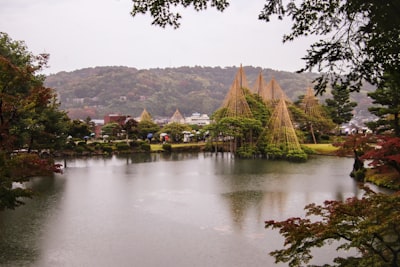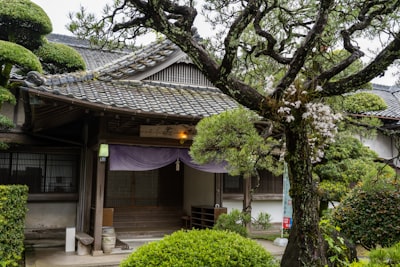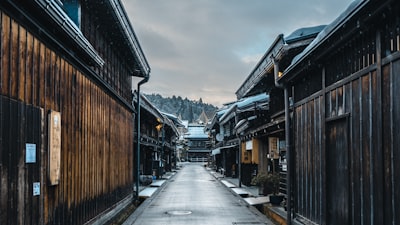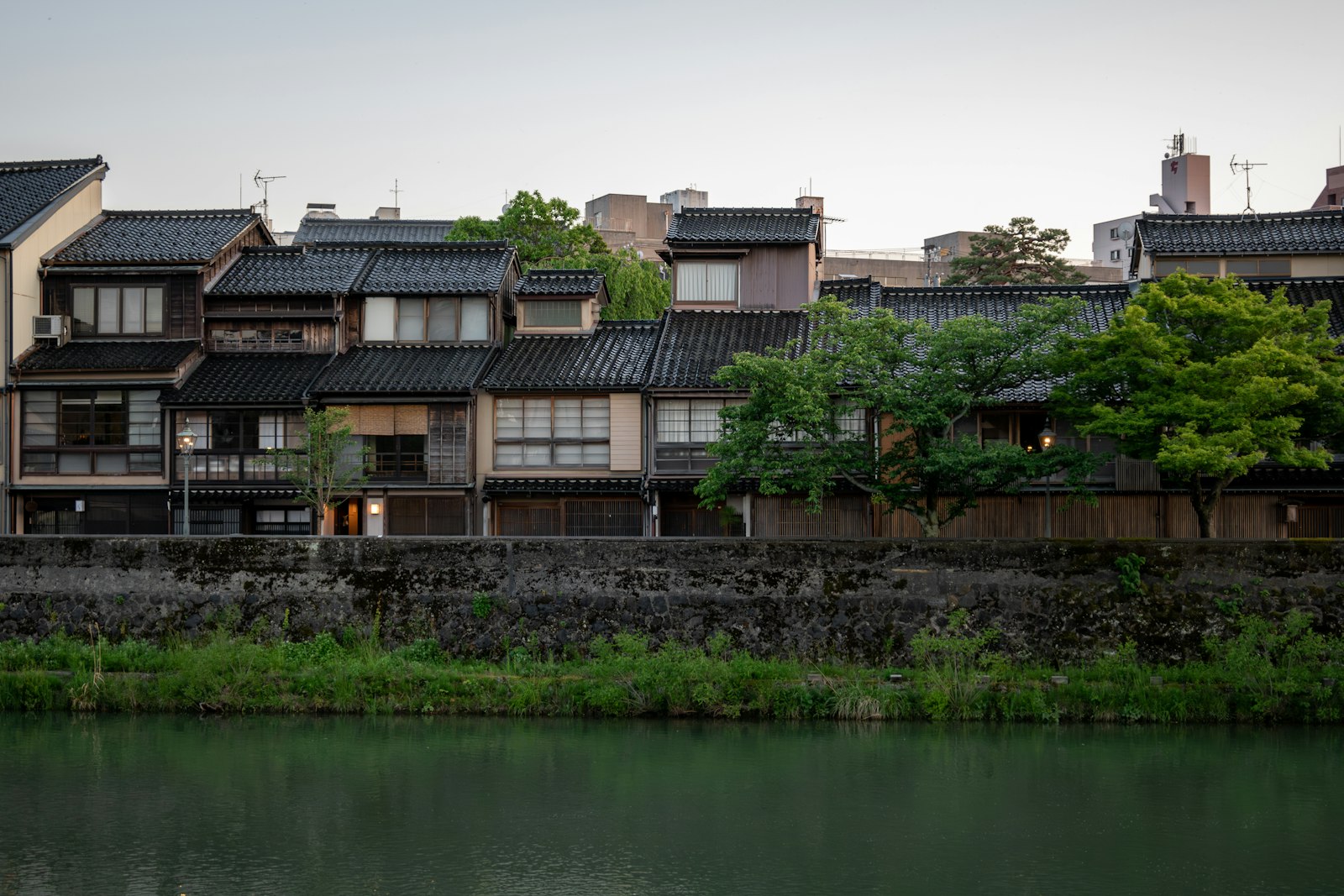

"Higashi Chaya is what Gion in Kyoto must have felt like 30 years ago — before the crowds. The streets are just as beautiful, the buildings just as old, and you can walk them without being jostled. Kanazawa keeps this secret well."
Higashi Chaya Kanazawa
Higashi Chaya (East Teahouse District) is Kanazawa's largest and best-preserved geisha district, established in 1820 by the Kaga Domain as a regulated entertainment quarter where geisha entertained guests. It is the largest historical teahouse district in Kanazawa and one of the finest preserved chaya districts in Japan outside Kyoto. Geisha houses in Higashi Chaya date back to the Edo period — the wooden two-storey facades, the distinctive latticework on the ground floor windows, and the cobblestone streets have remained essentially unchanged.
Higashi Chaya District is designated as a Japanese cultural asset. The district served as the city's main teahouse quarter where geisha — known in Kanazawa as geiko — danced and played instruments for guests of the ochaya. Today it remains an active cultural hub: two teahouses still operate as functioning geisha venues (by introduction only), and many traditional houses have been converted into cafés, sweet shops and craft shops. The district is a premier historical area in Kanazawa and the most atmospheric place to spend time in the city.
Higashi Chaya District — What to See
The district consists of a few short streets lined with ochaya — traditional Japanese teahouses — their latticed wooden facades facing onto atmospheric cobblestone streets. The main street, Higashiyama Kanazawa, is the core of the district. Walk it slowly in either direction from the bus stop. The buildings are private residences and businesses — do not enter without paying admission or making a purchase. The best way to experience the district is to walk through it in the early morning before shops open, then return when the craft shops and cafés are operating.
The district offers picturesque views along the nearby Asano River — the river is a three-minute walk from the main street. The combination of the latticed teahouses, the river and the mountains visible to the east makes this one of the most visually complete historic districts in Japan.
Most businesses in Higashi Chaya operate from 10:00 AM to 5:00 PM. The district is quietest before 9am and after 4pm — both are recommended times to visit. Visitors recommended to come early morning or late afternoon to experience the streets without crowds.
Higashi Chaya — Shima Teahouse
Shima Teahouse (Shima Ochaya) is one of the original 1820 ochaya, now open to the public as a museum dedicated to geisha culture and teahouse life. The preserved interiors show traditional geisha rooms and instruments: the red-lacquered railings, the upstairs rooms where guests watched geiko perform, the formal entrance hall, and the small private garden. Shima Teahouse is the most complete surviving interior of its type in Kanazawa.
Entry is ¥750. The first floor includes the main entertaining rooms and display cases showing the instruments, cosmetics and personal effects of geisha who worked here. The upstairs rooms overlook the garden. A pamphlet explaining the teahouse's history and function is included. Allow 30–40 minutes.
Kaikaro Teahouse — Gold Leaf and Tea
Kaikaro Teahouse is one of only two teahouses that still operate as functioning geisha venues in Higashi Chaya. It is also open to visitors for tea service on the ground floor — the interior has been decorated throughout in Kanazawa gold leaf, including gold leaf wallpaper and fittings that make it one of the most remarkable interiors in the district. Kaikaro teahouse is on the main street and opens for visitors during the day; reservation is recommended.
Higashi Chaya — Gold Leaf Products
Kanazawa produces 99% of Japan's gold leaf, primarily sourced from workshops in and around Higashi Chaya District. The district is home to Kanazawa's famous gold leaf products — edible gold leaf, gold leaf lacquerware, gold leaf cosmetics, gold leaf tea, and gold leaf ice cream (a soft-serve cone covered in a sheet of beaten gold that has become the district's most photographed food item). Visitors can experience gold leaf workshops in the district where you apply gold leaf to lacquerware or chopsticks under instruction.
Hakuichi and Sakuda Gold and Silver Leaf are the two most established gold leaf shops on the main street. Both offer workshops and have extensive display floors showing the range of gold leaf products available at every price point. The first floor of each shop is a free gallery; workshops require booking. Gold leaf products make the best souvenirs from Kanazawa — compact, genuinely local, and unavailable elsewhere in Japan to the same standard.
Chaya District — Eating and Shopping
Higashi Chaya has many cafes, restaurants, and craft shops operating from converted teahouse buildings. The dark wood interiors, handmade ceramics and matcha desserts served inside the old ochaya buildings are a particular draw — eating here is a more complete experience than eating in a modern café. Many traditional houses have been converted into sweet shops selling wagashi (traditional Japanese sweets) made with local ingredients.
Shops in the district specialise in gold leaf products, Kutani pottery (the regional ceramic style known for bold, colourful patterns) and traditional lacquerware. Items range from affordable small pieces to serious craft objects. The market for gold leaf items here is more interesting than anywhere else in Japan.
Ninja Temple — Myoryuji
The Ninja Temple (Myoryuji) is a short walk from Higashi Chaya District — about 15 minutes on foot southwest toward Kanazawa Castle. It is not connected to Higashi Chaya but is typically combined with a visit to the chaya district in the same half-day. Myoryuji was built in 1643 as a temple with elaborate defensive features — hidden rooms, escape hatches, trick staircases, lookout towers disguised as storage spaces — that earned it the popular nickname. Entry by guided tour only; book in advance as tours sell out.
Higashi Chaya — Access and Getting There
From Kanazawa Station, take the Kanazawa Loop Bus (Higashiyama Loop) to the Higashiyama Higashi-no-Chaya-gai bus stop — 10 minutes, ¥200 (Loop Bus fare). The Kanazawa Loop Bus stops near Higashi Chaya District and runs every 15 minutes. The bus stop is directly at the entrance to the main street of the district.
On foot from Kanazawa Station: about 30 minutes. The route passes through the city centre and along the Asano River — a pleasant walk in good weather.
From Kanazawa Castle Park: 15 minutes on foot east across the Asano River bridge. Many visitors combine Kanazawa Castle, Kenroku-en Garden and Higashi Chaya in a single day — the castle and garden in the morning, Higashi Chaya in the afternoon. The Kanazawa Loop Bus connects all three.
Higashi Chaya District — Stay and Accommodation
Several machiya guesthouses in and around Higashi Chaya have been converted from traditional wooden townhouses into small accommodation options — Japanese style guestrooms with tatami, free wifi, and in some cases breakfast included. Staying in the district puts you in the streets before and after the day visitors arrive — the early morning atmosphere, with the cobblestones empty and the light catching the lattice facades, is one of the best experiences Kanazawa offers.
The district is also within easy walking distance of Kanazawa Castle Park and the Kenroku-en Garden — a perfect base for exploring the city's main historical sites without relying on the bus.