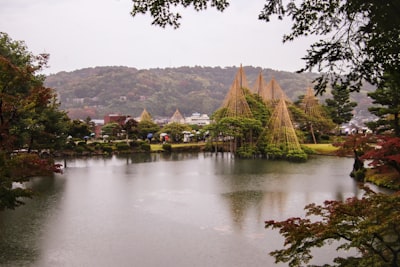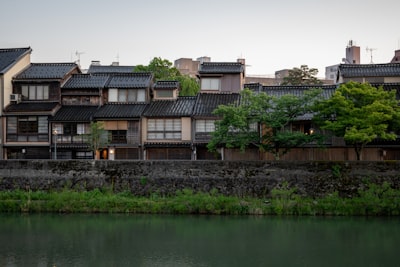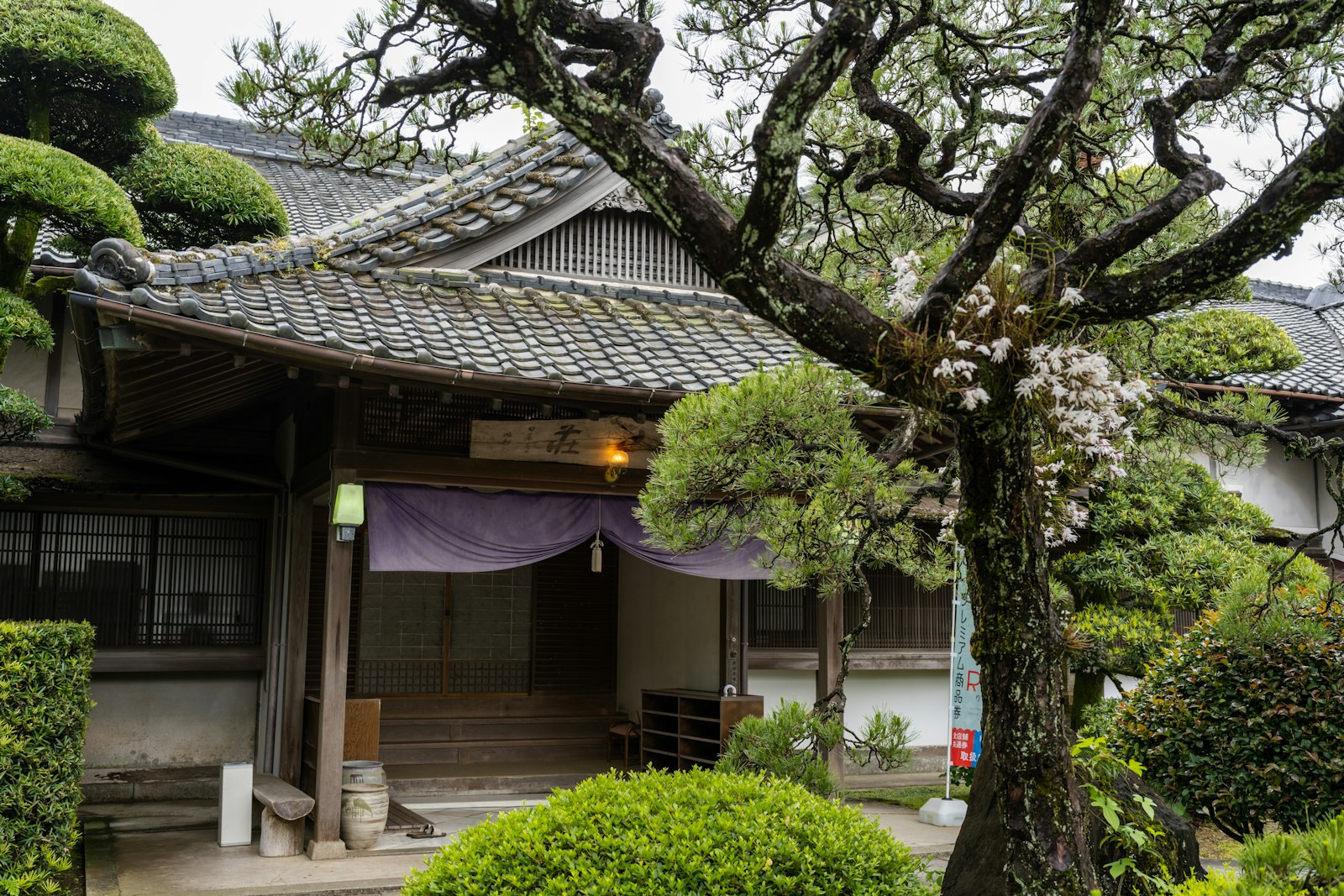

"Nagamachi on a grey morning with no other tourists — narrow lanes, earthen walls, the sound of water in the canal. It feels genuinely unchanged. Kanazawa is what Kyoto's most famous districts were before the crowds arrived."
Nagamachi Samurai District Kanazawa
Nagamachi Samurai District is the most atmospheric quarter in Kanazawa — a stunningly preserved samurai district where the earthen walls, narrow stone-paved streets and restored samurai houses of the Edo period survive almost entirely intact. The nagamachi samurai district was the residential neighbourhood of Kanazawa's middle to high-ranking samurai families during the feudal era, located close to Kanazawa Castle Park and protected by the ruling Maeda family as part of the castle town's planned layout.
Nagamachi escaped large-scale fires during World War II — the city as a whole was not heavily bombed, which allowed Kanazawa's historical districts to survive where comparable samurai areas in Tokyo and other cities were destroyed. The district retains features from the Edo period: the tsuchibei (earthen walls) lining the lanes, the wooden gates to individual samurai houses, the narrow canals running beneath the walls that were essential for firefighting and daily household use, and the stone lanterns standing at the corners of the larger samurai properties. The population of Kanazawa exceeded 100,000 during the Edo period, making it one of the largest cities in Japan outside Osaka and Edo; Nagamachi samurai district housed the samurai families who served the prosperous Kaga Domain.
Nagamachi Samurai District — The Earthen Walls and Streets
The defining visual feature of the nagamachi district is the tsuchibei — traditional earthen walls built from clay and soil, finished with plaster and topped with curved ceramic tiles. These walls lined every lane of the samurai district, enclosing each property and defining the street pattern of the feudal era neighbourhood. The earthen walls of Nagamachi are among the best-preserved examples of this construction technique in Japan.
In winter, workers cover the earthen walls of the samurai district with straw mats called komogake — a practice that has been maintained for centuries to protect the mud walls from freeze-thaw damage. The komogake go up in November and come down in March; visiting the samurai district in winter gives an unusual visual of the wrapped walls that is specific to Kanazawa's cold Sea of Japan winters.
The narrow streets of Nagamachi samurai district are paved with stone and follow the original feudal era layout — deliberately narrow to slow any attack on the castle. The streets were designed so that two people could barely pass each other, forcing any armed group to travel in single file. Walking the nagamachi district today, visitors get an authentic glimpse into the everyday lives of samurai during the Edo period: the scale of the streets, the height of the walls, the glimpse of a lush green garden through a wooden gate, all remain as they were when samurai families occupied these properties.
Nomura Samurai House — Nagamachi's Key Attraction
The Nomura Family Residence (Nomura-ke) is the key attraction in the nagamachi district and the only restored samurai house open to the public as a full museum. The Nomura family were retainers of the ruling Maeda family and occupied this property during the Edo period. The restored samurai house has been preserved with its original wooden structure, formal reception rooms, inner garden and samurai artifacts, offering the most complete display of samurai lifestyle available in Kanazawa.
The ground floor features a formal reception room with an alcove (tokonoma), a painted folding screen and elaborate joinery work in cherry and keyaki wood. Display cases show a full suit of samurai armor worn by the Nomura family — the armor is among the finest examples of Edo period samurai equipment in the region, with lacquered plates, decorative metalwork and a full suit including helmet and face guard. Additional artifacts throughout the rooms include weapons, household items and documents relating to the Nomura family's service to the Maeda family over generations.
The inner garden of the Nomura Samurai House is a small masterpiece of Japanese gardening — a miniature landscape with a koi pond, stone lanterns, a waterfall fed from above, carefully trimmed shrubs and trees, and mossy rocks arranged according to Edo period garden design principles. The garden is visible from the main reception room and from the upstairs rooms of the house, designed so that samurai guests viewing it from inside experienced it as a composed scene rather than an outdoor space. The lush green garden is maintained to its original design and is the most beautiful element of the property.
Entry to the Nomura Samurai House is ¥550. Hours are typically 8:30am–5:30pm (closing time varies by season; check before visiting — the house closes earlier in winter and on certain Japanese holidays). Closed Mondays in January and February. Reservation is not required for individual visitors. Allow 40–50 minutes to see the house, display rooms and garden properly.
Samurai District — Walking the Nagamachi Lanes
The pleasure of visiting the nagamachi samurai district is the walk itself — there is no fixed route through the district and no obligation to enter any building. The narrow streets, the earthen walls, the wooden gates, the sound of canal water and the occasional glimpse through an open gate into a private garden give the nagamachi district its atmosphere. This is a living neighbourhood, not a museum — residents still occupy many of the properties behind the samurai-era walls.
The district is compact. The main lanes can be covered in 30 minutes at a stroll; with the Nomura Samurai House and a walk through the back streets, allow 90 minutes. The best entry point is from Kenroku-en Garden — walk downhill from the garden's Meijiro gate and you enter the nagamachi district from the north. Walk south through the main lane to the Nomura House, then continue through the side lanes west toward Korinbo and the Kanazawa Castle direction.
Several workshops in the samurai district sell traditional Kutani ceramics and gold leaf crafts — these are concentrated near the Nomura Samurai House on the main lane. The nagamachi district also contains a traditional Kaga Yuzen dyeing workshop (Saihitsuam Furusato-kan) where visitors can watch artisans producing Kanazawa's distinctive silk-dyeing technique and participate in short dyeing experiences (from ¥1,500).
Nagamachi District — History and the Maeda Family
Nagamachi was established as a samurai residential district during the Edo period under the patronage of the ruling Maeda family — the lords of the Kaga Domain, whose castle occupied the high ground immediately to the east of the samurai district. The Maeda family were the wealthiest feudal lords in Japan outside the Tokugawa shogunate, and the samurai families of Nagamachi served them as retainers, administrators and military commanders.
Kanazawa was the economic center of the Kaga Domain, producing rice, silk, lacquerware, pottery and gold leaf for markets across Japan. The prosperity of the domain supported an unusually large samurai class — hundreds of families in the nagamachi district lived comfortably, commissioning refined garden designs, high-quality joinery and lacquerwork for their houses. The lifestyle of Nagamachi samurai during the Edo period's peaceful centuries was less martial than the word "samurai" implies: these were bureaucrats, scholars and artists as much as warriors, and their houses reflect that cultural prosperity.
The district retains the street pattern, the property divisions and the earthen walls of the feudal era. It is a functioning historical district — unique in Japan because it has never been reconstructed or reimagined as a theme park. The nagamachi samurai district Kanazawa is what a prosperous Edo period residential quarter actually looked like.
Samurai District — Combining with Ninja Temple and Kenroku-en
The nagamachi samurai district is best combined with Kenroku-en Garden and the Ninja Temple (Myoryuji) in the same day. Kenroku-en is one of Japan's three top gardens and is a 10-minute walk uphill from the nagamachi district — the garden is the natural starting point for a Kanazawa day, with the samurai district following as a downhill walk. Kanazawa Castle Park is directly adjacent to Kenroku-en and can be included in the morning section of the day.
The Ninja Temple (Myoryuji) is a 15-minute walk from the nagamachi district, northwest toward the Teramachi temple district. The Ninja Temple is one of Kanazawa's most recommended sites — entry is by guided tour only and advance reservation is required. Combining the nagamachi samurai district, the Ninja Temple and Kenroku-en Garden gives a full day of Kanazawa's historical sites at a comfortable pace.
Nagamachi Samurai District — Access
From Kanazawa Station, take the Kanazawa Loop Bus to Korinbo bus stop — the Loop Bus fare is 220 yen for adults. Nagamachi is a 5-minute walk from Korinbo bus stop, heading west. Nagamachi Buke Yashiki Ato (the main samurai house area marker) is 1 minute on foot from the bus stop. The Kanazawa Loop Bus runs every 15 minutes and connects Kanazawa Station with the samurai district, Higashi Chaya district, Omicho Market and all the city's main historical sites.
On foot from Kanazawa Station: approximately 20 minutes west through the city centre. On foot from Kenroku-en Garden: 10 minutes downhill. On foot from Omicho Market: 10 minutes south. The nagamachi district is centrally located in Kanazawa and easy to reach from all the city's main attractions.
Nagamachi Samurai District Kanazawa — Where to Stay
Several hotels near the nagamachi district offer free wifi and serve breakfast, located within a 10-minute walk of the samurai houses. The district itself has limited accommodation — staying in the nearby Katamachi or Korinbo area puts visitors within walking distance of the samurai district, Omicho Market and the city centre. Hotels with a front desk in this area typically serve Japanese or Western breakfast and have easy bus access to Kanazawa Station and Higashi Chaya.
For visitors who want to stay within the historical atmosphere of the district, small guesthouses near the earthen walls occasionally have rooms available — these fill quickly and advance reservation is required. Guests staying in the nagamachi area can visit the samurai district in the early morning before the day visitors arrive — the lanes are at their most atmospheric in the quiet before the museum sites open, when the stone lanterns, the earthen walls and the wooden gates can be seen without other visitors present.