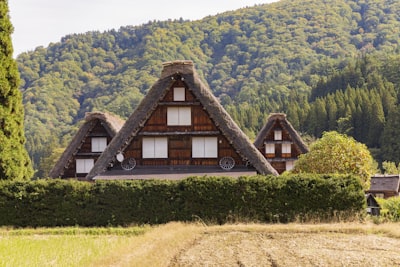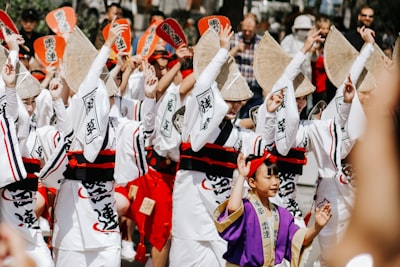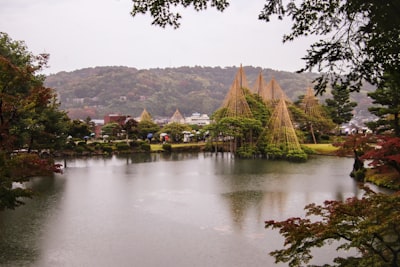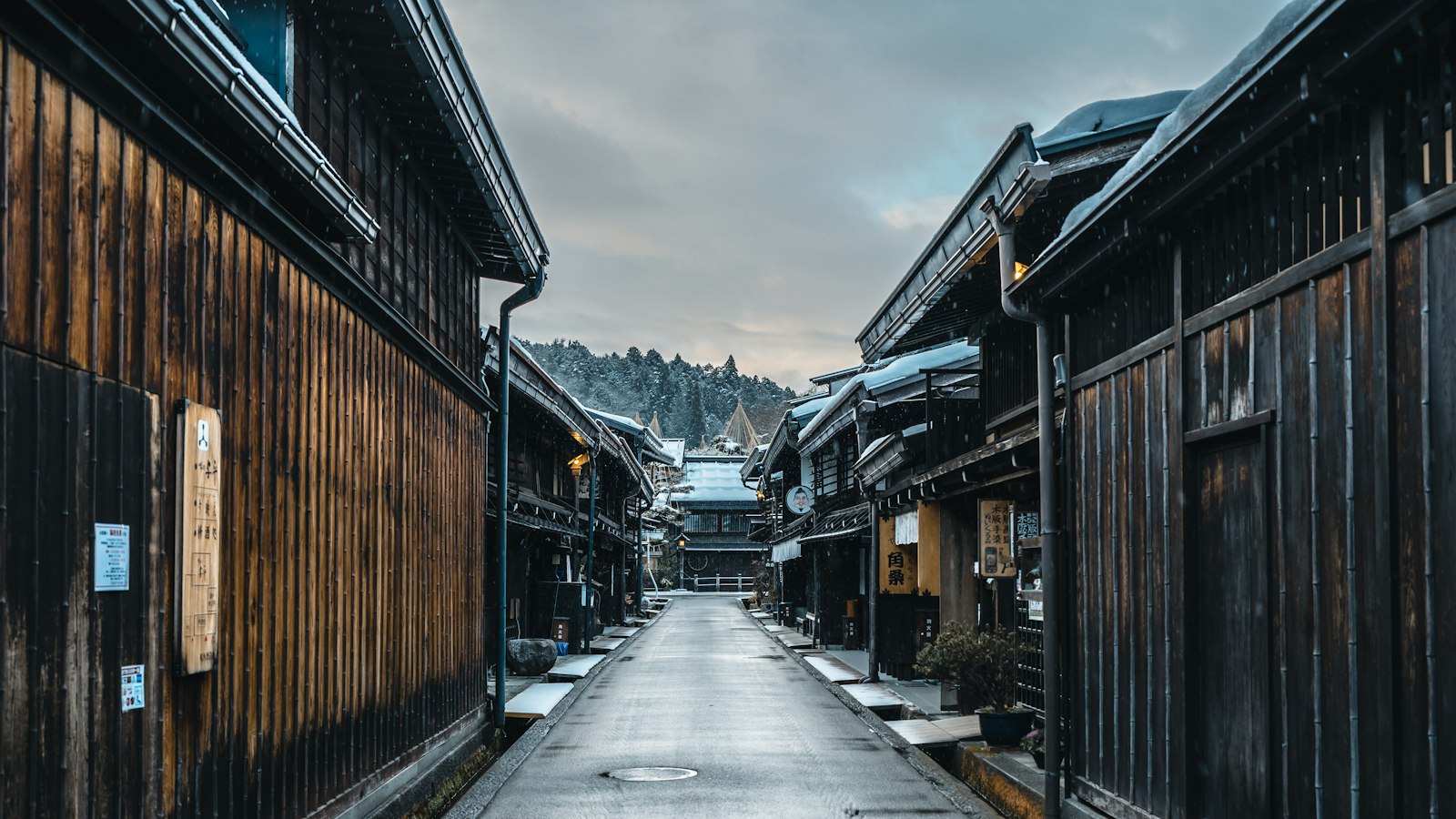

"Walking Sanmachi Suji in early morning before the tourists arrive is one of the most atmospheric experiences I've had in Japan. Dark wooden buildings, the smell of sake brewing, complete quiet. This is what people imagine when they think of old Japan."
Sanmachi Suji Takayama
Sanmachi Suji is the historic merchant district at the heart of Takayama's old town — three parallel streets of preserved Edo period wooden merchant houses that form the most atmospheric area in Hida Takayama and one of the finest surviving examples of traditional Japanese townscape architecture in the entire country. The area is often called "Little Kyoto" because the dark timber machiya merchant houses, steep eaves, narrow waterways and stone-paved lanes of this area closely resemble the historic quarters of Kyoto, but without the crowds. Every visitor who arrives in the Sanmachi Suji area feels transported back to the Edo era almost immediately — the preserved wooden walls, the smell of sake drifting from nearby breweries, and the quiet stone lanes create an experience found nowhere else in Japan.
Sanmachi Suji flourished as a merchant town during the Edo period under the Tokugawa shogunate, due in large part to the Hida region's valuable timber resources. The shogunate placed the Hida region under direct control in 1692 specifically to manage these valuable timber resources — the forests of the Japanese Alps supplied construction timber for Edo (modern Tokyo) and other cities. The merchant families who managed this trade built the handsome wooden townhouses of the Sanmachi Suji area and accumulated enough wealth to commission the skilled Hida craftsmen who are still recognized and celebrated today. The dark wood facades and imposing entrances displayed throughout the area tell the story of that era of prosperity. The district was designated as an Important Preservation District for Groups of Traditional Buildings, protecting its Edo period atmosphere and architecture for future generations.
Sanmachi Suji — Kamiichino-machi, Kaminino-machi and Kamisanno-machi
Sanmachi Suji includes three main streets running roughly parallel through Takayama old town: Kamiichino-machi (upper first street), Kaminino-machi (upper second street), and Kamisanno-machi (upper third street). Kamiichino-machi is the widest and most accessible of the three, situated close to the Miyagawa River end of the district. Kaminino-machi is the central street and the most photographed — its buildings are particularly well-preserved. Kamisanno-machi is lined with sake breweries and souvenir shops at its southern end, popular with tourists exploring the former merchant district. All three streets offer an outstanding variety of food, drink and goods from buildings that have stood for over three centuries.
The buildings throughout the area feature dark wood doors and deep eaves — the characteristic traditional architecture of Hida Takayama merchant buildings. Historically, this area was home to wealthy merchants displaying original family crests on the walls of their buildings. The crests are still displayed on many building entrances throughout the three streets. Small waterways run alongside parts of the area, fed from the Miyagawa River, providing clean water for sake brewing and household use. Additionally, these waterways give the area a particularly beautiful townscape in all seasons — tourists and locals alike find the streets most atmospheric in early morning, when the waterways catch the light before the crowds arrive.
Visitors can stroll along the narrow streets lined with traditional buildings in 2–4 hours at a relaxed pace, stopping to enjoy sake tastings, snack on street food, and explore the historic buildings up close. The area is a living neighbourhood — locals still occupy many of the buildings alongside the shops and breweries — and customer behaviour in Sanmachi Suji should be respectful. Do not enter private building entrances and keep voices low in the early morning hours.
Sake Breweries — Locally Brewed Sake in the Area
Takayama is famous for high-quality mountain sake production, and the Sanmachi Suji area has several old sake breweries still operating within the historic district. The sake breweries are marked by sugidama ornaments — large balls of fresh cedar needles (杉玉) hung at the building entrances of each of the breweries. The sugidama turns from green to brown as the sake inside matures; a fresh green sugidama indicates the new season's sake is ready. Visitors and locals can enjoy locally brewed sake tastings at many of the breweries throughout the area on any day of the week.
The two most popular sake breweries in the area are Hirase Sake Brewery and Funasaka Sake Brewery on Kamisanno-machi. Both brewery buildings offer free tastings of three or four varieties and welcome walk-in visitors without prior booking. Sake tastings at the sake breweries throughout the three streets require no advance reservation — arrive at the building, step inside, and enjoy. The locally brewed sake of Hida Takayama uses mineral-rich water from the Japanese Alps and is distinctive from sake produced in warmer lowland areas. Most sake breweries in the area sell sake by the cup, the bottle, or in special packaging as souvenirs. QR code information on many brewery buildings connects visitors to the story and history of each establishment.
Additionally, the area offers guided sake brewery tours for those who want to go deeper into the production process. These tours typically last 45–60 minutes and are available in Japanese with English explanations at some breweries. A sake brewery tour in the Sanmachi Suji area is one of the most popular experiences for foodie visitors to Takayama — there is a lot to learn and taste, and these tours offer a genuine look into how Hida sake is produced using alpine water, then structured tastings of the seasonal varieties. Some tours include miso tasting and discussion of the area's broader fermentation traditions, since miso production was historically tied to the same merchant buildings as sake brewing.
The Yoshijima Heritage House on Kaminino-machi was a former sake brewery and merchant residence. The Yoshijima family were prominent sake merchants, and the Yoshijima Heritage House was built in 1908 as one of the finest examples of traditional wooden merchant building architecture in the area. The building showcases the quality of timber construction, joinery and spatial planning that Hida craftsmen achieved during the Meiji era. The entrance fee is modest and the interior of the building — particularly the high-ceilinged main room with its interlocking timber frame — displays a beautiful townscape view from its upper windows and is one of the architectural highlights of Takayama old town. The walls and room proportions are recognized by architectural historians as an exceptional example of Meiji-period craftsmanship. Hot springs nearby in the city center area provide a perfect complement to a morning of exploring the Sanmachi Suji buildings.
Hida Beef, Gohei Mochi and Mitarashi Dango — Local Cuisine
Sanmachi Suji is one of the best places in Takayama to enjoy hida beef — the A4–A5 wagyu beef of the Hida Takayama area, comparable in quality to Kobe beef but more locally available and better priced. Hida beef is found throughout the three streets in multiple delicious forms, and every visit to the area offers new things to try:
- Hida beef sushi — thin slices of lightly seared hida beef on rice, served as nigiri and gunkan-maki sushi; the most popular delicious format found at stands and restaurants lined along the streets of the area
- Hida beef grilled skewers — small pieces of hida beef grilled on skewers and served immediately from building-front stands; popular with tourists and locals who enjoy eating while exploring the area
- Hida beef croquettes — golden-fried beef croquettes at souvenir shops and food stands throughout the area, served hot and particularly delicious in winter; the perfect snack while exploring the district's buildings and streets
- Hida beef bun — a steamed bun filled with hida beef, vegetables and miso, sold at street stalls throughout the Sanmachi Suji area; a warming and satisfying snack popular with tourists and locals in all seasons
- Hida beef set lunch — sit-down restaurants in the area serve hida beef teishoku (set meals) with rice, miso soup and pickles, offering a comfortable room and complete local cuisine experience worth lingering over
Gohei mochi — a signature Hida Takayama street food: rice cake on a wood stick, glazed with soy sauce and grilled over charcoal. Gohei mochi is found at several souvenir shops and food stalls throughout the Sanmachi Suji area. Three pieces per serving is typical; the soy sauce glaze caramelizes on the grill, making each piece slightly sweet and smoky. Locals request this snack on the walk home from the morning market. Mountain views from the upper end of the streets are a bonus while eating gohei mochi in the open air.
Mitarashi dango — grilled rice dumplings on bamboo skewers, glazed with a sweet soy sauce. Mitarashi dango costs around ¥80 per serving at market stands. These dumplings are available at the Miyagawa Morning Market and at small souvenir shops along the streets of the Sanmachi Suji area. The sweet glaze and slightly smoky dango are the kind of delicious snack locals and tourists alike enjoy on the move through the streets.
Additionally, the area is known for soba noodles made with local buckwheat, miso-marinated tofu, and mountain vegetables (sansai) dishes. Many cafes and restaurants lined along the three streets offer Hida Takayama regional dishes in a traditional atmosphere. The variety of flavors on offer in the Sanmachi Suji area is remarkable for a former merchant district of this size.
Old Town — Takayama Jinya, Morning Market and the Broader Area
Takayama Jinya is a short walk from Sanmachi Suji and is the most important historical building in Takayama old town. Takayama Jinya served as a government office building during the Edo period — it is the only surviving example of a shogunate regional administrative building found anywhere in Japan, and a designated Important Cultural Property. The entrance fee is ¥430. The Takayama Jinya museum building features exhibits on Edo period life, culture and the mechanisms of shogunate direct control over the Hida area. The history of the building and its role in regional governance is explained through well-designed museum displays in each room. A morning market is held daily in front of the Takayama Jinya building — the Jinya-mae Morning Market — selling local vegetables, pickles, crafts and seasonal produce from 7am to noon. Exploring the building and the market together takes about 90 minutes.
The Miyagawa Morning Market runs along the east bank of the Miyagawa River, a 5-minute walk from Sanmachi Suji. This is the larger of the two morning markets in Takayama old town, operating every morning from 7am to noon and offering local vegetables, miso, sake, crafts, sarubobo dolls and street food including mitarashi dango and gohei mochi. Both morning markets are best visited early — arrive before 8am to enjoy the area at its most pleasant, when vendors are displaying their goods in the early morning light. Children enjoy the sarubobo doll stands in particular. The dolls are a traditional Hida talisman displayed in homes across Gifu. The souvenir shops along the Sanmachi Suji streets also sell traditional lacquerware — lacquered bowls, trays and chopsticks made by local craftsmen and one of the most distinctive crafts of the Hida Takayama area. Tourists and locals alike shop at the morning markets — the history of these markets in Takayama old town dates back to the Edo period.
The broader Sanmachi Suji area also encompasses Higashiyama Walking Course — a 3.5km route that passes through the temple district east of Takayama old town, offering a glimpse into Takayama's spiritual history and culture. Additionally, the area surrounding Sanmachi Suji provides a pleasant half-day of exploring when combined with the morning markets and Takayama Jinya building. The Hida Folk Village museum, situated about 2km from the city center, is another key site in Takayama old town's broader cultural landscape. Gifu Prefecture as a whole has few areas with this density of historically significant buildings and museum sites accessible without a car.
Edo Period — Walking the Historic Area
Early morning visits are strongly recommended for Sanmachi Suji. Before 9am the streets are largely empty of tourists, the morning light catches the dark wooden building facades in a beautiful townscape, and it is possible to walk without the crowds that arrive later in the day. By 10am tour groups begin arriving, particularly on weekends and during the festival periods in April and October. If staying overnight in Takayama, walk to the Sanmachi Suji area before breakfast from your hotel — set an alarm for 6:30am and experience the old town in the early morning light. The sun rising over the Japanese Alps and catching the dark wood of the buildings is one of the most beautiful things found in the Takayama area. Locals who live in the buildings of the Sanmachi Suji area are already at their morning routines at this hour, giving the streets an authentic, lived-in feel.
Historical preservation of the Sanmachi Suji area offers a glimpse into the Edo period that few other historic areas in Japan can match. The buildings are largely free of modern signage and power lines — a conscious preservation decision by Takayama city. A rickshaw ride through the three streets is a popular option for tourists who want a pulled tour of the historic buildings; rickshaws depart from near the main building entrance to the district. Locals in the area view the rickshaws as part of the neighbourhood's identity.
Weather plays a significant role in the experience. December, February and the cold winter months provide the most dramatic atmosphere — the Sanmachi Suji buildings under snow look exactly as they did during the Edo era, with heavy wooden rooftops and the dark walls of the brewery buildings surrounded by white. The beautiful townscape under snow is one of the most photographed scenes in Gifu Prefecture. In December and February particularly, the area feels transported entirely out of modern Japan. If your travel plans are flexible, a winter visit rewards travelers with something very special — Sanmachi Suji in the snow is a place unlike anywhere else in Japan. Hot springs in Takayama and the nearby Okuhida area are the perfect way to relax after a long cold morning exploring the buildings of the district — book a hotel with hot springs access for the most comfortable stay. Stop at one of the sake breweries on the way back to warm up. Many hotels in the area offer hot spring baths on-site.
Little Kyoto — Architecture, Kimono and the Atmosphere of the Area
Sanmachi Suji is often called "Little Kyoto" for its architecture and traditional atmosphere, and the comparison is apt — but the mood is different. Where Kyoto's Gion area is busy and tourist-facing, the Sanmachi Suji area retains the feel of a working neighbourhood that has been preserved rather than reconstructed. The beautiful townscape of dark timber, white plaster walls and stone lanes is consistent across the three streets, making the area one of the most photographically rewarding in Japan outside Kyoto.
Renting a kimono or yukata is a popular way to visit the area — several kimono and yukata rental shops offer this service in the Takayama area, providing full styling with hair accessories. Renting a kimono or yukata for the morning, wearing it through the Sanmachi Suji area and to the morning market, is one of the most popular experiences among first-time visitors. The combination of the dark wooden buildings and the color of a traditional kimono provides exceptional photographs. Many rental shops allow you to keep the kimono for a full day, meaning you can soak in the atmosphere of the area at your own pace without waiting for a set return time.
In winter, the Sanmachi Suji area under snow is exceptional — the area looks most like its Edo period self when the wooden rooftops are covered in snow and the streets are quiet. Hot springs (onsen) in Takayama city center and in the nearby Okuhida hot springs area provide a natural complement to winter exploring. Arriving at a hot spring after a long morning walking through the buildings of the old town is one of the most relaxing experiences in Hida Takayama. Many hotels in the area are conveniently located within walking distance of Sanmachi Suji — hotels on and around the streets of Takayama old town put all three streets and the morning markets on your doorstep. Budget hotels, mid-range hotels, traditional ryokan and boutique hotels are all found in the Takayama old town area. Staying in a hotel in the center of Takayama old town gives access to Sanmachi Suji before the tourists arrive and access to the morning markets in their quietest hour. Whether you book a modern hotel near the city center or a traditional hotel with mountain views, Takayama old town rewards early rising — the whole district feels different at 7am than it does at 11am.
Getting There — JR Takayama Station and the Area
Sanmachi Suji is a 15-minute walk east from JR Takayama Station through the city center. The district is conveniently located in the heart of Hida Takayama old town — all three streets are within easy walking distance of each other, the morning markets, and Takayama Jinya. From JR Takayama Station, walk east along Kokubunji-dori and turn left when you reach the Miyagawa River — the Sanmachi Suji streets are directly ahead. The route is well signposted from JR Takayama Station in both English and Japanese. Most visitors find access to the area straightforward; the shift from the modern city center to the preserved old town happens in the space of a few steps. Hotels near JR Takayama Station give the best access to both the old town and the rail network — the walk from station-area hotels to Sanmachi Suji takes under 20 minutes on foot.
JR Takayama Station is reached from Nagoya by JR Hida Ltd. Express (approximately 2.5 hours). From Osaka, the Nohi Bus Center adjacent to Takayama Station is served by highway bus (approximately 4.5 hours). Gifu Prefecture's rail and bus services connect the city to the broader Hida area. Gifu also offers highway bus connections from Nagoya — a good budget option. Most visitors use Takayama as a base for 2 nights, providing enough time to explore the Sanmachi Suji buildings and morning markets in the early hours, visit the Hida Folk Village museum during the day, and day-trip to Shirakawa-go. Day tours from Nagoya are a popular travel option for those who cannot stay overnight — these tours arrive by mid-morning and provide access to the main sites before departing by early evening. There is a lot to visit in a single day if you plan well: stop at Sanmachi Suji for the morning, then visit the Hida Folk Village in the afternoon. Guided walking tours of the Sanmachi Suji area are popular with tourists who want deeper context — a guided tour is the best place to learn about the buildings, sake breweries and long history of the district. A good Takayama book on the region's history and culture makes a delicious complement to exploring the streets of the former merchant district — sold at souvenir shops throughout the area.