
"Standing inside a 300-year-old farmhouse while snow falls outside, watching the smoke curl up through the thatched roof — Hida Folk Village is one of those places that makes you grateful you came to Japan."
Hida Folk Village Takayama
Hida Folk Village (Hida no Sato) is an open-air museum in Takayama, Gifu Prefecture, covering approximately 99,000 square meters on a hillside above the city. The village was established in 1971 to protect traditional Hida architecture — over 30 historic buildings relocated from across the Hida region and reassembled on the hillside to preserve them from demolition. Many buildings are over 100 years old, some dating back to the Edo period. Hida Folk Village is not a reconstruction or replica — these are real buildings moved here to create one of Japan's finest open-air architectural museums.
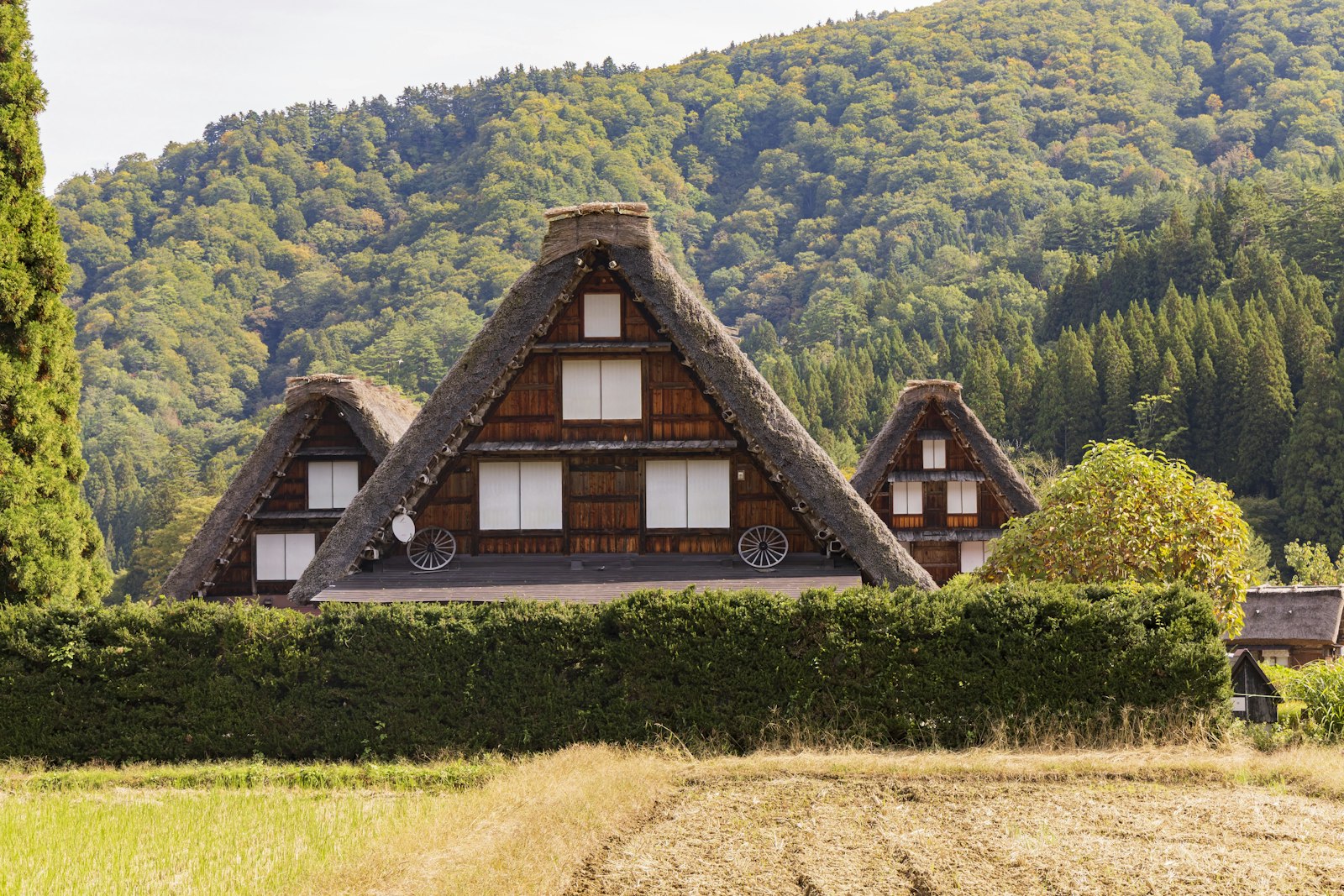
Most of the buildings are gassho-zukuri farmhouses — the distinctive steep-roofed thatched structures of the Japanese Alps, designed to shed the region's heavy snowfall. The village provides an immersive experience of Japanese mountain farming communities: visitors walk through the working spaces, tatami rooms and sunken hearths of buildings exactly as they appeared when families lived in them. Hida Folk Village is surrounded by scenic landscapes and mountain views, making the walk between buildings as rewarding as the buildings themselves.
Hida Folk Village — Gassho-Zukuri Houses
Gassho-zukuri houses are the defining architecture of the Hida region and the reason Hida Folk Village exists. The name gassho-zukuri means "hands in prayer" — a reference to the steep A-frame roofs that resemble hands pressed together in the Buddhist prayer gesture. The design is a direct response to the Hida region's extreme heavy snow, which can exceed 2 metres in winter. The steep roofs shed snow before it accumulates to a dangerous weight; the thick thatched material insulates the building; and the pitch allows ventilation of smoke from the sunken hearths below.
The upper floors of the gassho-zukuri houses were used for silkworm cultivation — the warmth rising from the hearth kept the silkworms at the correct temperature, and the smoke preserved the thatch and deterred insects. Every element of the architecture serves the everyday life of a Hida mountain farming family. Visitors to the village can walk through these upper floors and see the cultivation equipment still in place.
The village features over 30 traditional buildings in total, including gassho-zukuri farmhouses of different sizes, storage buildings, a blacksmith workshop, a waterwheel mill, a sake brewery building, and smaller craft and work structures. The largest gassho-zukuri houses at the village are among the finest examples of the style surviving anywhere in the Hida region.
Hida No Sato — What to See Inside
The main farmhouses are open to walk through — remove shoes at the entrance and explore the tatami rooms, sunken hearths and working spaces as they appeared 200 years ago. Traditional tools, household items, farming equipment and craft implements are displayed in context throughout each building. The interior arrangement of each house reflects the everyday life of the Hida farming family who occupied it.
The village includes demonstrations of regional crafts such as weaving and woodcraft. Hida lacquerwork demonstrations are held at the village on scheduled days. The museum hosts traditional craft demonstrations including weaving and dyeing. Visitors can participate in workshops for straw crafts and sashiko quilting — hands-on activities that do not require prior reservations. The Takayama crafts experience center and the hida takayama crafts experience activities at the village introduce visitors to the traditional crafts of the Hida region, including wood carving, straw crafts, ceramic cups and glass wind chimes. These hands-on activities are one of the most popular aspects of visiting Hida Folk Village.
Sarubobo dolls — the red fabric dolls that are the symbol of the Hida Takayama area — are made and displayed throughout the village. The village shop sells sarubobo dolls alongside other traditional Hida crafts. Boys Festival (Children's Day) celebrations in May fill the village with decorative displays.
Open Air Museum — Best Time to Visit
Hida Folk Village is worth visiting in every season, but winter and autumn provide the most dramatic visits. Winter illumination events transform the village in December and January — the gassho-zukuri houses under heavy snow, lit in the evening, are one of the most beautiful scenes in Gifu Prefecture. The winter illumination draws visitors specifically to the village hida no sato after dark; check the official schedule as illumination events are held on specific dates only.
Autumn illumination events in October and November light the village against the backdrop of coloured leaves and mountain views. Autumn is the most popular season at Hida Folk Village — the combination of autumn foliage, comfortable walking temperatures and the atmospheric old houses makes October and early November the peak visiting period. Spring cherry blossom (late April in Takayama, later than in lower-altitude cities) is also beautiful and less crowded than autumn.
Winter (December–February) is when the gassho-zukuri houses under heavy snow most closely resemble the traditional Japan imagery of the Hida region. The village is cold but walkable and far less crowded than in autumn. Hot springs in Takayama city center and in the surrounding Hida region make a winter visit comfortable — combining Hida Folk Village with an onsen soak is a natural day structure in winter.
Hida Takayama — Combining with the City
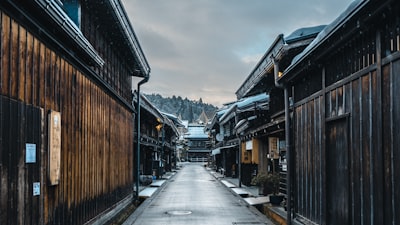
Hida Folk Village is on the western edge of Takayama city, about 2.5km from JR Takayama Station. Most visitors combine Hida Folk Village with the old town (Sanmachi Suji), the morning market (Jinya-mae Morning Market or Miyagawa Morning Market), and the Takayama Jinya historical government building in the same day.
Hida beef — Takayama's famous premium wagyu beef — is available throughout the city center and in the restaurants around the morning market. There are no dining facilities within Hida Folk Village itself, making it a good idea to eat before or after the visit rather than during. The Nohi Bus Center and the area near JR Takayama Station have several restaurants serving hida beef skewers, hida beef nigiri and set lunches.
Shirakawa-go — the UNESCO World Heritage gassho-zukuri village — is a 70-minute drive from Hida Folk Village (or approximately 50 minutes by highway bus from the Takayama Nohi Bus Center). Visitors who want to see gassho-zukuri houses in their original village setting, rather than relocated to a museum, should plan a separate half-day trip to Shirakawa-go. The architecture is the same style, but Shirakawa-go's village hida atmosphere — with houses spread across the valley floor, surrounded by rice paddies and mountains — is completely different from Hida Folk Village's hillside layout.
Mountain Views and Village Atmosphere
Hida Folk Village is built on a hillside with mountain views across Takayama city and toward the Japanese Alps. The walking paths between buildings follow the natural slope of the hillside — short walks between structures are part of the village experience. The atmosphere at Hida no Sato is particularly calm in early morning before the main tour groups arrive. The village is surrounded by forest and the views from the upper paths across the gassho-zukuri rooftops toward the mountains are the best the village offers.
Electric wheelchairs are available for visitors with mobility needs — the hillside site is not entirely flat and some paths between buildings are steep. Wheelchair accessibility is limited in some buildings. The village hida no sato is family-friendly; children particularly enjoy the working waterwheel, the blacksmith demonstration and the hands-on crafts activities.
Sarubobo Bus — Getting to Hida Folk Village
From JR Takayama Station (the main station in Takayama city), take the Sarubobo Bus (Bus 3) bound for Hida Folk Village to the Minzoku Mura bus stop — approximately 10 minutes, running every 30 minutes. The bus stop is a short walk from the village entrance. The Sarubobo Bus departs from the Takayama Nohi Bus Center adjacent to JR Takayama Station — the same departure point used for buses to Shirakawa-go and Shirakawa-go village.
On foot from JR Takayama Station: approximately 30 minutes west through the outskirts of Takayama city. The walk is pleasant in good weather and passes through a quiet residential area before reaching the hillside. Takayama Station is the main transport hub for the city — most visitors arrive from Nagoya by JR Hida Ltd. Express (approximately 2.5 hours) or from Osaka and Tokyo by highway bus to the Nohi Bus Center.
Hida Folk Village — Practical Information
Admission to Hida Folk Village is ¥700 for adults and ¥200 for children. Group rates are available for groups of 20 or more. Hida Folk Village is open daily from 8:30 AM to 5:00 PM (last entry 4:30 PM). The village is open year-round including in winter, making it accessible in every season. There are no dining facilities within the village — plan meals before or after your visit at restaurants in Takayama city center or near the Nohi Bus Center.
The village is well signposted from central Takayama and from JR Takayama Station. English-language explanatory panels are displayed in most buildings. Allow 2–3 hours for a thorough visit covering the main farmhouses, the craft demonstrations and the walking paths with mountain views. The village is within walking distance of the Takayama city center for visitors staying in town.