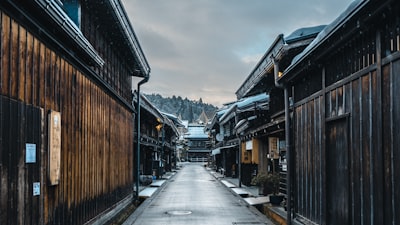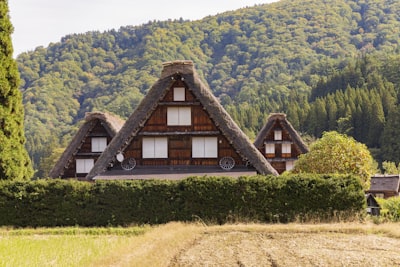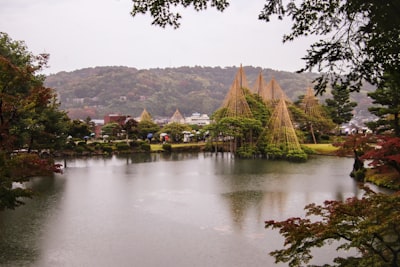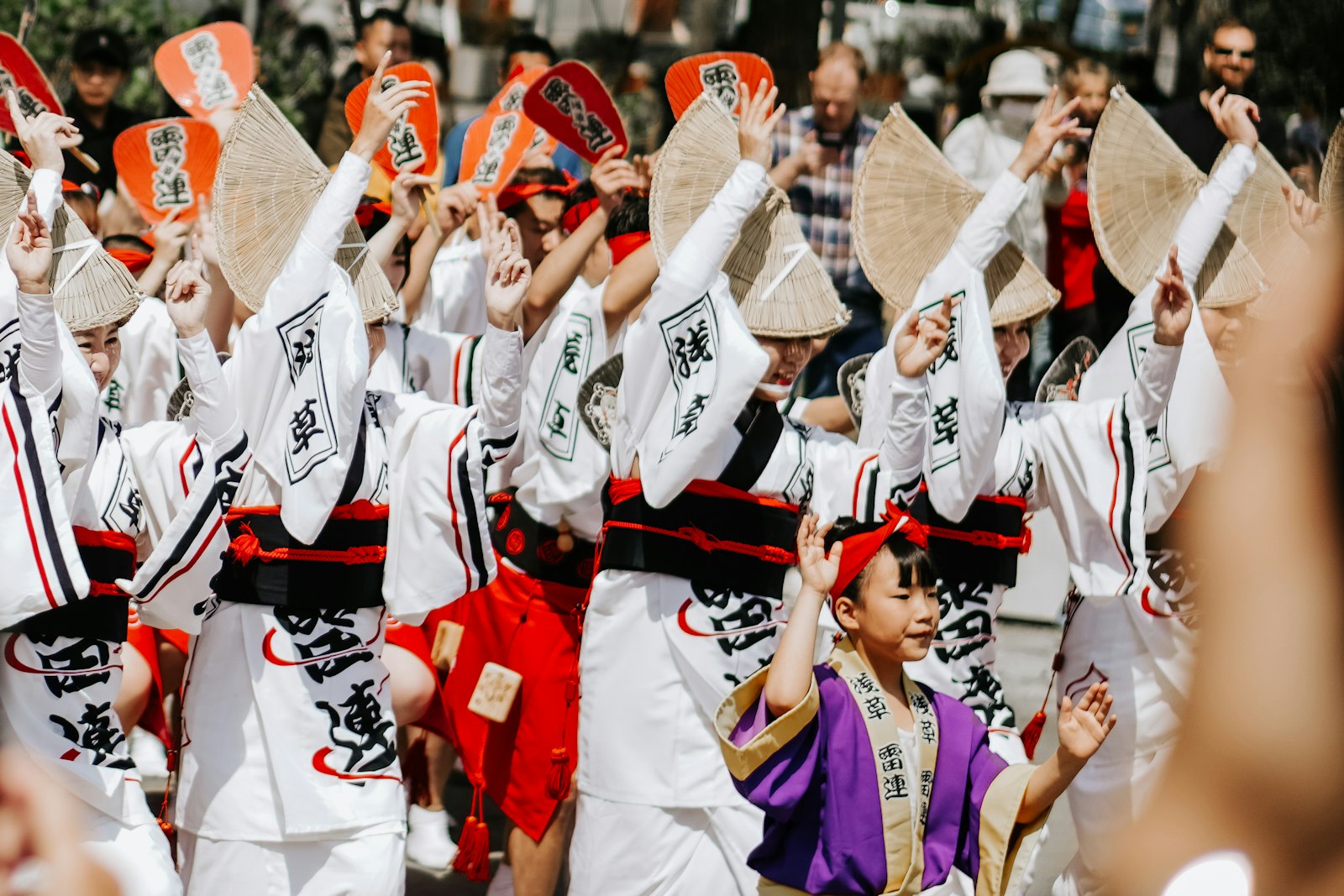

"The Takayama Festival is one of the few events in Japan where the word 'spectacular' is not an overstatement. The yatai floats — some over 400 years old — move through the old town as if time stopped somewhere in the Edo period."
Takayama Festival — One of Japan's Three Great Festivals
The Takayama Festival is one of Japan's most celebrated annual festivals, held twice each year in Takayama's old town: the spring Sanno Matsuri on April 14–15 and the autumn Hachiman Matsuri on October 9–10. Widely ranked alongside Kyoto's Gion Matsuri and the Chichibu Night Festival as one of the country's three most beautiful festivals, both events are centered on the procession of enormous, richly decorated yatai floats, with traditional music, dance, and Shinto ceremonies that have continued for around 400 years.
For travelers, cultural enthusiasts, and anyone interested in Japanese traditional festivals or Edo-period heritage, Takayama offers one of the clearest ways to experience those traditions still alive in their original setting. This guide explains the history and significance of both festivals, how the spring and autumn schedules differ, what to expect from the yatai floats, karakuri marionette performances, and lantern-lit night processions, and what to know about visiting, including timing, crowds, and accommodation.
First celebrated in 1652, the Takayama Festival has been designated a UNESCO Intangible Cultural Heritage and is recognized as one of Japan's most important intangible folk cultural assets; the yatai floats themselves are designated Important Tangible Folk Cultural Properties. The spring festival is linked to Hie Shrine in the southern half of the city, while the autumn festival belongs to Sakurayama Hachimangu Shrine in the north. Together they honor each shrine's patron deity, pray for good harvests, and protect the town from evil spirits, preserving an annual rhythm in Takayama that has changed little since the Edo period and making the festival one of the most distinctive cultural experiences in Gifu Prefecture.
Sanno Matsuri — The Spring Takayama Festival
The Sanno Matsuri is the spring Takayama festival, held on April 14–15 each year, centered on the Hie Shrine area in the southern half of Takayama old town. The spring Takayama festival features 12 yatai floats — the largest and most elaborate in the festival tradition — pulled through the streets of the old town in procession on both days of the spring festival. The spring festival draws particularly large crowds because April in Takayama often coincides with cherry blossom season, and the combination of festival floats moving through streets lined with cherry trees is one of the most photographed events in all of Japan.
The Sanno Festival takes its name from the Sanno deity enshrined at the Hie Shrine — the patron deity of the southern half of Takayama city. On the days of the spring festival, a mikoshi (portable shrine) procession carries the god out of the shrine and through the streets of the old town, accompanied by musicians, dancers in period costume, and festival attendants in Edo period dress. The god leaves the shrine on the first morning of the spring Takayama festival and returns on the second evening — this procession is the spiritual heart of the annual festival event.
On the evening of the first day of the spring festival, the yatai floats are lit by hundreds of paper lanterns for the night festival procession — the yomatsuri. The floats move slowly through the dark streets of the old town, lit from within and without, creating a scene of extraordinary beauty. The night festival atmosphere in the spring Takayama festival is very different from the daytime procession — quieter, more intimate, and with the paper lantern light catching the lacquerwork and embroidered cloth of the floats in a way that daylight cannot match. Many spectators consider the night festival the single most memorable part of the spring Takayama festival experience.
In mid April, the morning of the spring festival begins early. The floats emerge from their respective storehouses at dawn and are assembled in position before the main procession begins around 9am; most floats are fully in position by 9:30am, when the viewing areas along the route fill up fast. Arriving at the Hie Shrine area of Takayama old town by 8am on the morning of April 14 gives the best chance to see the floats being prepared and to secure a good location on the streets before the crowds build. By 10am on the days of the festival, the streets are crowded and packed — traffic is completely restricted and the old town becomes a pedestrian event space for the duration of the spring festival.
Autumn Festival — Hachiman Matsuri and October Celebrations
The autumn festival — the Hachiman Matsuri — is held on October 9–10 each year. The festival venue is the Sakurayama Hachimangu Shrine precinct in the northern half of Takayama old town. The Hachiman Festival features 11 yatai floats, slightly fewer than the spring festival but equally magnificent in craftsmanship and procession. The Hachiman Festival takes its name from the Hachiman deity enshrined at the Sakurayama Hachimangu Shrine — Hachiman being the Shinto deity of archery and the protector god of the northern half of Takayama city.
The Hachiman Matsuri is considered by many regular festival-goers to be the more dramatic of the two annual festivals — October weather in Takayama city often brings clear skies, the autumn foliage of the surrounding mountains provides a spectacular backdrop for the festival floats, and the evening festival under the stars has a particular intensity. The nights of the Hachiman Festival are cooler than the spring festival evenings, making the lit floats moving through the dark old town streets especially atmospheric. The autumn festival crowds are comparable to the spring festival in scale, with many spectators travelling specifically to Takayama for the October event.
The Hachiman Shrine procession on the days of the autumn festival follows a route through the northern half of Takayama's old town, passing by historic merchant buildings, the Yoshijima Heritage House, and streets that have remained largely unchanged since the Edo period. The mikoshi procession of the Hachiman Festival carries the god through the town on the morning of October 9; the portable shrine is carried by teams of attendants in festival dress, accompanied by festival musicians playing traditional instruments. Like the spring festival, the autumn festival includes a night festival on the first evening — the floats are lit with paper lanterns and moved through the streets, drawing many spectators who position themselves along the route from the afternoon.
Bad weather occasionally affects the autumn festival — October in Gifu Prefecture can bring rain, and if heavy rain falls on the days of the festival, the yatai floats may not be taken out, or the procession may be shortened to protect the historic floats and their embroidered cloth decorations. The Takayama festival organizers make contact with participants and post updates when weather affects the schedule. Visitors planning a trip specifically for the Hachiman Festival should check the weather forecast for Takayama city and have a flexible itinerary if possible. Even in bad weather, the morning market and the Sanmachi Suji old town streets remain accessible and atmospheric during festival days. The surrounding Hida mountains provide excellent outdoor activities year-round, and hiking or cycling is a natural complement to the festival schedule, and stopping at a mountain hot spring to relax after the procession is a popular choice.
Festival Floats — Yatai Float Craftsmanship and Design
The yatai floats of the Takayama Festival are among the most extraordinary objects in Japanese traditional art — towering wooden constructions, some over 8 metres tall, decorated by master artisans with intricate wood carvings, lacquerwork, metalwork, and silk embroidered cloth panels. Each yatai float is unique, built and maintained by a specific neighbourhood of Takayama city and stored in its own dedicated storehouse when not in use. The respective storehouses for the spring festival floats are located in the southern half of the old town near the Hie Shrine; the storehouses for the autumn festival floats are in the northern half near the Sakurayama Hachimangu Shrine. The floats can be seen year-round at the Yatai Kaikan display hall, where four floats are displayed in rotation and information about each float's history is provided for visitors.
The festival floats incorporate what the Takayama craftsmen call unique ornaments — elaborately carved decorative elements that distinguish each float from all others. The wood carvings on the yatai floats depict mythological scenes, animals, flowers and geometric patterns worked to a level of detail that requires years of specialist skill. The lacquerwork on the float bodies — applied in dozens of thin coats — gives the festival floats a depth of finish that cannot be replicated industrially. The metalwork elements, including finials, railings and decorative mounts, are forged and cast by traditional craftsmen using techniques that have not changed substantially since the Edo period. The floats are displayed in their special storehouses for most of the year, brought out only for the festival days.
The silk embroidered cloth hanging panels on the yatai floats are among the most valuable textile art objects in Japan. Many of the embroidered cloth panels were woven by Nishijin textile artisans from Kyoto and are of comparable quality to items displayed in national museums. The festival floats are designated as Important Tangible Folk Cultural Properties — a designation that reflects both their age and their exceptional craftsmanship. Some yatai floats in the Takayama Festival are over 350 years old, making them among the oldest functional festival objects in the world still in regular ceremonial use.
The spring festival floats and autumn festival floats differ in their decorative traditions — each set of floats reflects the distinct neighbourhood and shrine tradition from which it originates. The spring festival floats associated with the Hie Shrine tend toward more elaborate floral decoration and warmer colour palettes; the autumn festival floats of the Hachiman Festival incorporate more austere, powerful design elements appropriate to the Hachiman deity's martial associations. Both sets of festival floats are considered outstanding examples of Edo period decorative art and craftsmanship by cultural asset authorities in Japan.
Takayama Matsuri — Night Festival, Lanterns and the Evening Procession
The night festival — yomatsuri — is held on the first evening of each Takayama Matsuri, both in spring (April 14) and in autumn (October 9). As dusk falls on the first day of the Takayama festival, the yatai floats are fitted with paper lanterns — hundreds of lanterns on each float, lit simultaneously as darkness falls over the old town streets of Takayama city. The evening festival procession begins around 6pm and the floats move through the streets of the old town until around 9pm, accompanied by the sounds of traditional festival music. The schedule for the night festival lantern procession is displayed at the Takayama Tourist Information Centre near Takayama Station and provided on the city's official tourism website.
The night festival atmosphere in the Takayama Matsuri is unlike anything else in Japan. The lit floats moving slowly through the narrow Edo period streets of the old town, the paper lanterns casting warm light on the lacquerwork and embroidered cloth, the sound of flutes and drums — the evening festival is the only time of year when the entire old town of Takayama city is transformed into a single living work of art, and the audience watching from along the streets experiences the floats from a perspective that photography cannot fully capture. Many spectators who attend both the day and night festival report that the evening festival is the more moving experience, precisely because the scale of the floats becomes more apparent when they are lit from within against the dark streets. A guide map showing the evening procession route is provided at the information centre near Takayama Station.
For the night festival, the best viewing positions along the streets fill from 4pm onwards on the days of the festival. The Takayama Matsuri night procession route passes through the southern half of the old town during the spring festival (Sanno Matsuri) and through the northern half during the autumn festival (Hachiman Matsuri). A map of the evening festival route is available at the Takayama Tourist Information office near Takayama Station, and contact information for festival updates is posted on the Takayama city official tourism website.
Spring Festival Highlights — Karakuri Doll Performances and the Procession
The spring Takayama festival features three yatai floats equipped with karakuri — automated mechanical marionettes that perform elaborate routines on the festival floats in front of the Hie Shrine. The karakuri marionette performances date from the Bunka-Bunsei era (1804–1830) and represent one of the most technically sophisticated traditions in Japanese festival art. Each karakuri performance runs for approximately 20 minutes and involves up to eight puppeteers operating the mechanical marionettes from inside the float using a complex system of strings and rods. The marionettes perform acrobatic and religious routines, with some marionettes capable of over 30 distinct movements in a single performance. The mechanical puppets are displayed on the float stage for the duration of each performance, visible to the full audience gathered around the float. Arriving early to view the marionettes is strongly recommended — the crowds who come specifically for the karakuri performances begin gathering well before the scheduled start time.
Karakuri doll performances take place on the morning of April 14 and April 15 in front of the Hie Shrine, with the first performance beginning at 9:30am. Scheduled performance times are displayed at the festival entrance and at the Takayama Tourist Information Centre near Takayama Station. A festival guide map showing the schedule of performances, float procession route, and viewing highlights is provided at the information centre — picking up this guide on arrival is one of the best ways to make the most of your time at the festival. The marionettes are the only attraction of this kind in Japan where this tradition of mechanical puppet performances can be seen as part of a living festival — similar attractions exist in museum contexts, but the karakuri marionettes of the Takayama Festival are still performed in the same outdoor context for which they were designed. Arriving at the karakuri float location at least 30 minutes before the scheduled performance is strongly recommended, as many spectators gather for this event specifically and the view fills up quickly.
The spring festival procession through the streets of the old town begins on the morning of April 14, with participants in Edo period court dress — including hakama and formal kimono — leading the procession ahead of the festival floats. The parade includes festival musicians playing hayashi music on flutes and drums, attendants carrying shrine implements, and a group of children in traditional costume. The procession follows a set route through the streets of the southern half of the old town, with the festival floats pulled by teams of men in festival dress. The parade is slow by design — the floats must navigate the narrow streets of the Takayama old town, and the ceremony of the event is as important as the spectacle. Locals who live along the procession route often watch from their buildings, continuing a tradition of festival participation that has existed since the Edo period.
Gion Matsuri and Japan's Three Great Festival Tradition
The Takayama Festival is regularly listed alongside the Gion Matsuri in Kyoto and the Chichibu Yomatsuri in Saitama as one of Japan's three greatest festivals — a designation based on the exceptional craftsmanship of the festival floats, the antiquity of the event, and the completeness with which the festival preserves its Edo period form. The Gion Matsuri in Kyoto is the most famous of the three and takes place in July; the Takayama Festival is the most intact in terms of historical continuity; and the Chichibu Yomatsuri (December) is the most dramatic night festival. February brings quieter conditions in Takayama and is a good time to see the storehouses and the Yatai Kaikan display without festival crowds.
Unlike the Gion Matsuri, which takes place in a large modern city, the Takayama Festival is held within one of the best-preserved Edo period townscapes in Japan — a factor that many festival-goers cite as what makes it uniquely moving. The festival floats of the Gion Matsuri move through wide urban streets; the festival floats of the Takayama Matsuri navigate narrow historic lanes lined with 300-year-old merchant buildings, creating a scene that feels genuinely continuous with the Edo period origins of both the festival and the town. Similar attractions exist elsewhere in Japan — the Aomori Nebuta, the Awa Odori in Tokushima — but the combination of festival scale, historical setting, and karakuri marionette performances makes the Takayama Matsuri unique.
The festival has been celebrated for around 400 years with only brief interruptions — its continuation through the Meiji period, the Second World War, and Japan's rapid modernisation is itself a significant cultural achievement. The designation of the Takayama Festival as UNESCO Intangible Cultural Heritage in 2016 formalised what locals and festival scholars had long recognised: that the Takayama Matsuri represents one of the most complete survivals of Japanese Edo period festival culture in the world. Gifu Prefecture's support for the festival — including funding for float restoration and storehouse maintenance — reflects the cultural and economic significance of the annual festival event for the region. The time to visit is either mid April for the spring festival or early October for the Hachiman Matsuri — both are held on fixed dates each year and displayed prominently on the Hida Takayama tourism calendar. First-time travellers coming from outside Japan often return for the second festival having seen the first; the spring and autumn festivals are different enough in atmosphere and setting that both reward the walk through the old town streets on each occasion. Those with limited time should stay for at least two days to experience the full schedule from morning procession to evening lantern parade — the highlights of both days are worth planning for in advance.
Getting There — Takayama Station, Hotels and Travel Tips
Takayama Station is the arrival point for all travellers coming to the Takayama Festival, and the view from the station area toward the old town gives the first impression of the historic city. From Tokyo, take the Shinkansen to Nagoya (approximately 1 hour 40 minutes), then change to the JR Hida Limited Express to Takayama Station (approximately 2.5 hours) — the total journey from Tokyo to Takayama takes about four and a half hours. From Osaka, reach Nagoya in under 50 minutes by Shinkansen, then take the Hida Express to Takayama Station. A highway bus from Tokyo to Takayama takes about five and a half hours and is a budget-friendly option for the trip. Takayama Station is also connected to Kanazawa and Toyama by highway bus — a scenic option for those combining Takayama with the Noto Peninsula or Kanazawa. Direct flights to Kanazawa take about one hour from Tokyo.
Hotels in Takayama city get booked months in advance for the festival dates — both the spring festival (mid April) and the autumn festival (October 9–10) see accommodation sell out 3–6 months ahead. Booking accommodation early is essential, and guests should contact the property in advance to request any special arrangements or needs for their festival stay; many guests prefer to stay for two days and two nights — the best way to relax into the full schedule of both spring or autumn festival days. The best location for festival-goers is a hotel in the old town area within walking distance of both the Hie Shrine (spring festival) and the Sakurayama Hachimangu Shrine (autumn festival). Several outstanding ryokan are available in Takayama city for festival visits: Wanosato offers a luxurious ryokan stay in a 160-year-old house; Ryokan Asunaro is a 6-minute walk from Takayama Station; Iroriyado Hidaya is located 1.6 km from Takayama Station and combines traditional atmosphere with modern comfort. Yamazatonoiori Soene, an 80-minute bus ride from Takayama Station in the Okuhida hot springs area, is an excellent choice for those who want to combine the festival trip with a night in a mountain hot springs ryokan.
During the spring and autumn festivals, the old town streets are closed to traffic and public transport in the festival area is limited. Arriving at Takayama Station the evening before the festival begins is strongly recommended — this gives time to locate your hotel, wander through the Sanmachi Suji old town area along the Miyagawa River at a relaxed pace, and secure a good morning position for the procession start. The Yoshijima Heritage House on Kaminino-machi is near the autumn festival route — the house is open to the public and provides excellent context for the Edo period setting of the Hachiman Matsuri; many guests return to the house on the morning of October 10 after viewing the procession. The Takayama Jinya historic government building is a short walk from the spring festival route and worth a visit in the time before the main procession begins. A guided walking tour of the old town before the main procession is a popular option — contact the Takayama Tourist Information Centre adjacent to Takayama Station for festival maps, a complete guide to the schedule of performances and processions, and recommended viewing locations for both the day parade and the night festival lantern parade. The centre is open from early morning on festival days — arriving there first thing is the best way to get the guide and information materials before the crowds arrive. Coming from Tokyo or Osaka, Takayama is a two-day trip at minimum to enjoy both days of the festival properly; plan time to relax in the old town between the morning procession and the evening lantern parade — these are two completely different views of the same extraordinary event and represent the real highlights of the Takayama Festival experience.