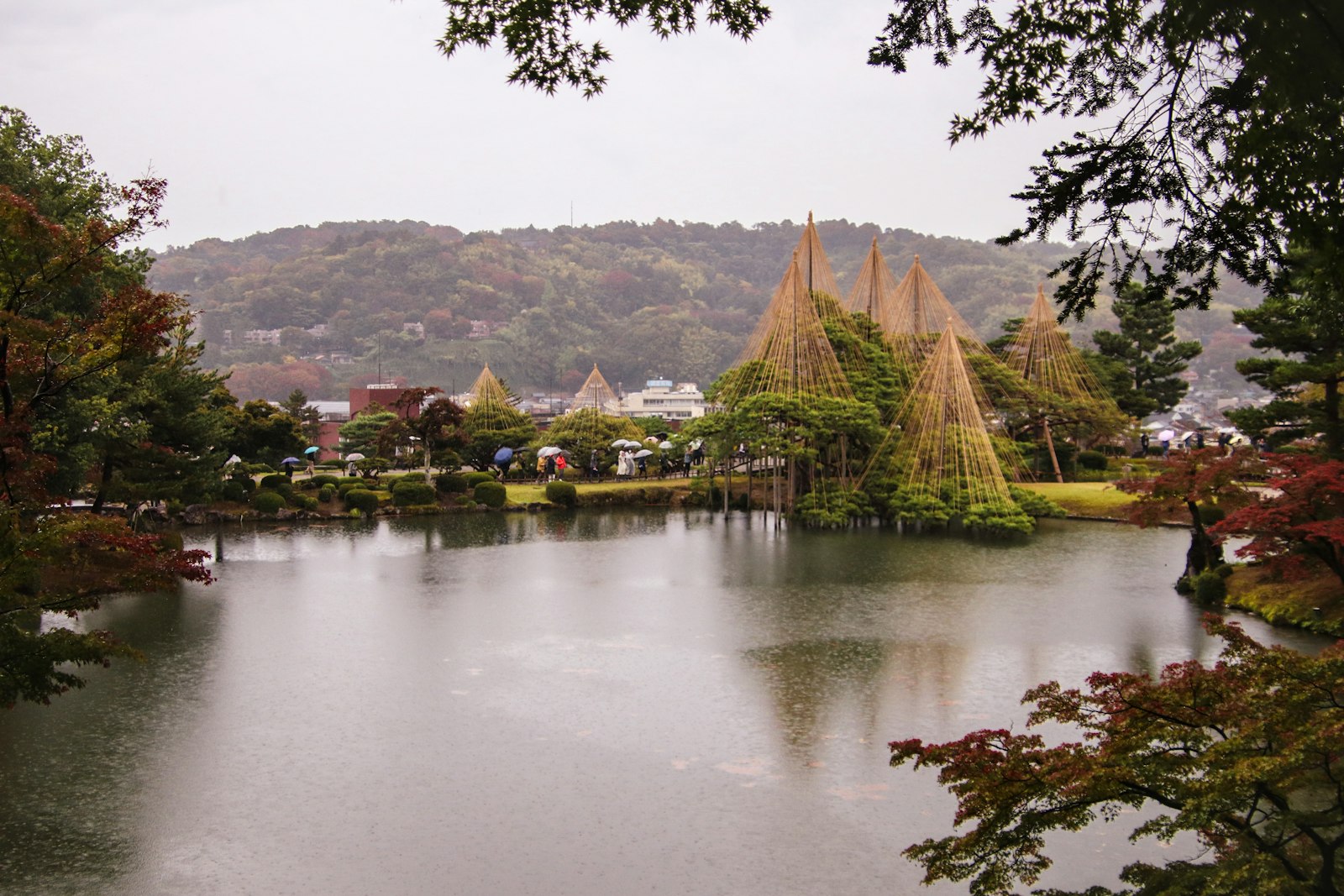

"Kenroku-en in early November, when the maple leaves are turning and the yukitsuri have just gone up for winter — that's when I understood why this garden is considered one of Japan's finest."
Kenroku-en Garden Kanazawa — One of Japan's Three Great Gardens
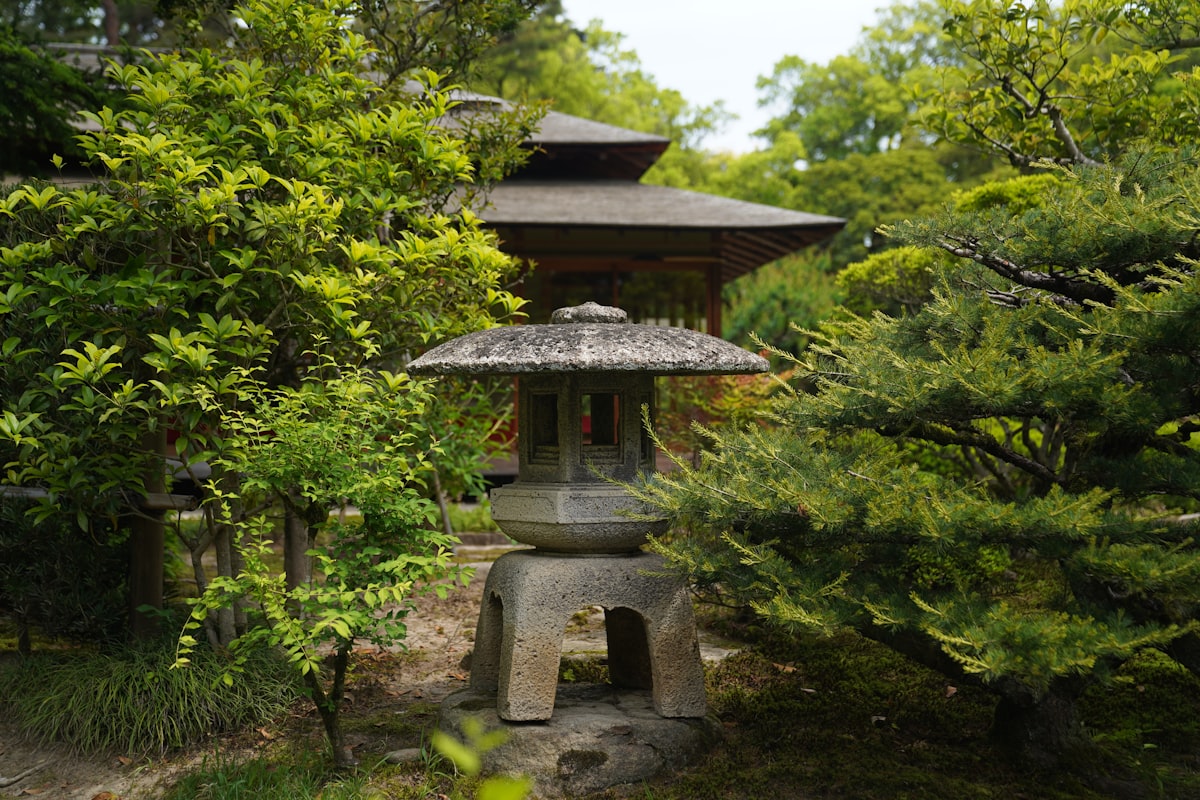
Kenroku-en is one of Japan's Three Great Gardens — alongside Kairaku-en in Mito and Koraku-en in Okayama — and is widely considered the finest of the three. Located in the heart of Kanazawa, kenroku-en garden covers 11.4 hectares and took nearly 200 years to complete, built and expanded by the Maeda lords of the Kaga Domain beginning in 1676. The garden was opened to the public in 1874 and has remained Kanazawa's most visited attraction ever since. Kenroku-en is a genuine landscape garden — large enough that visitors can walk the entire garden for an hour and still find quiet corners they missed on the way in.
The name kenroku-en translates to "Garden of the Six Sublimities" or the Garden of Six Attributes — a reference to the six qualities considered essential for a perfect garden in classical Chinese landscape theory. These six attributes are: spaciousness, seclusion, artificiality, antiquity, water features, and panoramic views. Kenroku-en is considered one of the few gardens in the world that successfully combines all six qualities in a single space. The entire garden is a testament to the ambition and refinement of the Kaga Domain during the Edo period.
兼六 園 — The Six Attributes of Kenroku-en
The six attributes of kenroku-en give the garden its name and its philosophy. Spaciousness and seclusion are normally considered contradictory — a large garden cannot feel secluded, and a secluded garden cannot feel spacious — yet kenroku en achieves both through careful planning. Winding paths, dense plantings, and varied terrain create a sense of seclusion within a garden that covers over 11 hectares.
Antiquity is expressed through the age of the trees — some of which were planted during the original Kaga Domain period. Artificiality — meaning artful human design — is visible in every stone placement, waterfall, and lantern position. Water features include ponds, streams, fountains, and the emerald waterfall. Panoramic views open across the city of Kanazawa from elevated areas of the garden. Together these six attributes make kenroku-en one of the most famous gardens in the world.
Kenrokuen Garden — What to See
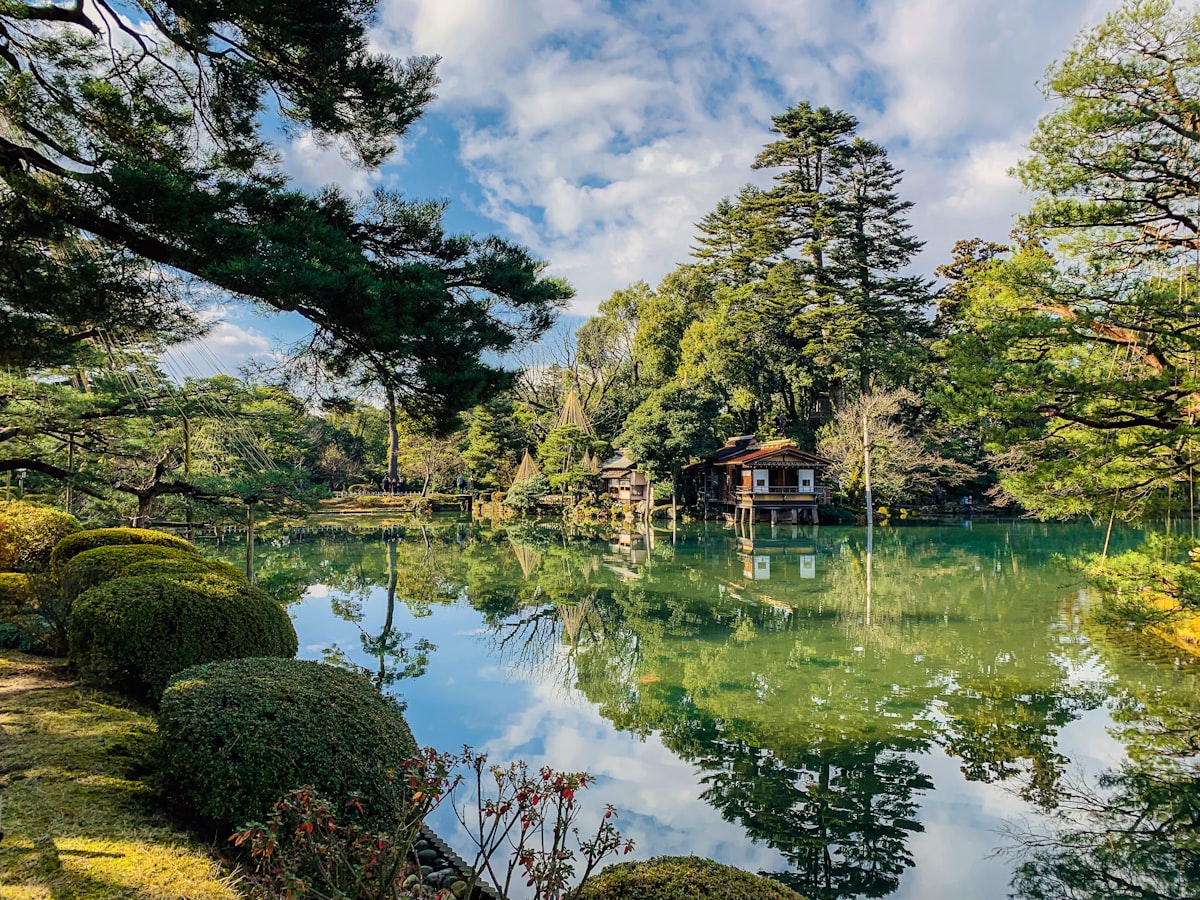
The Kasumigaike Pond is the heart of kenroku-en garden — a large central pond surrounded by garden paths, stone lanterns, and pine trees. Kasumigaike pond offers the most picturesque views in the morning when the light is soft and the garden is quiet. The Kotoji-tōrō lantern stands beside the pond and is the most photographed feature in the entire garden — a two-legged stone lantern built to appear as though it walks on the water of kasumigaike pond. The kotoji lantern has become one of the defining symbols of Kanazawa itself and is one of the most enjoyed sights in all of kenroku-en.
The Karasaki pine tree is one of the most famous trees in the garden — an ancient black pine originally grown from a seed taken from the Karasaki pine in Ōtsu. The tree's branches spread wide over the path and pond edge. In winter the branches are held in place by the yukitsuri rope structures — cone-shaped rope contraptions tied from a central pole to the outer branches of the pine tree, protecting the tree from damage caused by the heavy snow that falls on Kanazawa each winter.
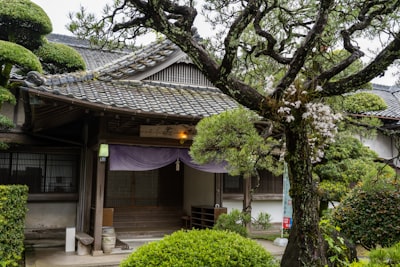
The Yugao-tei teahouse is one of the oldest teahouses in Japan still in its original location within a garden. Visitors can sit in the teahouse and look out over the outer garden — a serene spot for photos and for understanding the garden's connection to Japanese tea ceremony and the tea culture of the Kaga Domain. A second teahouse, the Shigure-tei, is built at higher elevation and offers a different view across the garden. Both teahouse structures add to the experience of kenroku-en as a cultural destination.
The emerald waterfall at Kenroku-en flows from an artificial stream fed by water diverted from the Sai River — one of the engineering achievements of the garden's creators. The water channel was built using a remarkably clever design to create pressure from the distant river source, allowing the fountain at Kotoji lantern to flow naturally without any pump. The garden's streams carry water across the grounds, crossing stone bridges that were built throughout the landscape, and run through planted areas of great natural beauty.
Kanazawa Castle — Adjacent Historic Landmark
Kanazawa Castle stands directly adjacent to kenroku-en garden — the two are connected and can be visited together in a half-day. The castle was the seat of the Maeda clan, who ruled the Kaga Domain for over 300 years and accumulated wealth second only to the Tokugawa shogunate. The castle was largely destroyed by fire and only partially reconstructed, but the Ishikawa-mon gate and the reconstructed honmaru palace are impressive symbols of the period.
The relationship between kanazawa castle and kenroku-en garden is deeply historical — the garden was originally built as an outer garden of the castle, developed as a place of recreation for the Maeda lords. Today the owner of the garden is the public — it was opened to all visitors in 1874. Understanding that kenroku-en was once the private garden of the ruling lord gives the entire garden a different dimension. Every feature was built for the Kaga Domain's ruling family over a period of nearly two centuries.
Kanazawa Castle Park — What to Explore
Kanazawa Castle Park surrounds the castle grounds and forms a green area between the city and the castle. The park includes reconstructed secondary enclosures, cherry trees that bloom alongside the kenroku en garden in spring, and walking paths through the castle's defensive earthworks. Kanazawa castle park entry is free and the park connects directly to kenroku en garden through the Gojukken-nagaya gate area. Combined visits to the castle park and kenroku-en are a natural way to enjoy the center of historic Kanazawa in a single half-day.
Seasons in Kenroku-en — Cherry Blossoms to Winter Snow
Spring in kenroku en is the most crowded season — the garden contains over 400 cherry trees and cherry blossoms draw the largest visitor numbers of the entire year. The cherry blossom light-up event runs from late March to early April, when the garden paths are illuminated at night and visitors enjoy the blossoms as they glow in the lantern light. Early spring also features plum blossoms before the sakura arrive, and azalea flowers in April. The entire garden becomes a flower garden in spring — a place where people can enjoy the blossoms at all times of day.
Summer in kenroku-en showcases lush nature and blooming azaleas. The summer light-up is held in early June. A firefly viewing party is held every July — an unusual night event that draws visitors to the garden's stream areas to enjoy the fireflies above the water. The garden is open at 7:00 AM in spring and summer and closes at 6:00 PM. Free entry is available from 4:00 AM to 6:45 AM during summer — this early morning window is the best time to visit kenroku en in summer, as the garden is less crowded and the light for photography is ideal.
Autumn at kenroku en is arguably the most rewarding season to enjoy. Autumn colors include vibrant foliage primarily from Japanese maples, and the yukitsuri rope structures go up in early November alongside the turning leaves. The autumn light-up runs from late September to mid November. The combination of orange maples, green pine trees, stone lanterns, and the yukitsuri creates a uniquely Japanese autumn scene. October and November are the best times to experience kenroku-en in autumn color — visitors enjoy the experience of the garden in autumn as one of the most memorable in all of Japan.
Winter at kenroku en transforms the garden completely. Heavy snow settles on the yukitsuri rope structures and the pine, creating the iconic winter landscape that appears on countless Kanazawa tourism materials. Winter illumination occurs in early to mid February. Entry is 320 yen for adults and 100 yen for children aged 6-17. Free entry is also available on winter mornings from 4:00 AM to 6:45 AM — visitors can enter through the Mayumizaka Gate. Dress warmly for cold mornings — Kanazawa receives more snow than most Japanese cities. Check weather conditions before you visit in January or February.
Contemporary Art and Culture Near Kenroku-en
The 21st Century Museum of Contemporary Art Kanazawa is a five-minute walk from kenroku en garden — one of the best contemporary art museums in Japan and free to enter the outer exhibition spaces. The museum's circular design creates a unique relationship between indoors and outdoors. Combining a visit to kenroku en garden with the contemporary art museum makes for a full day of culture in kanazawa. Omicho Market — Kanazawa's famous covered food market — is about a 20-minute walk from the kenroku en garden entrance, and is worth adding to a half-day itinerary built around the garden.
One of Japan's Great Gardens — Practical Visitor Information
Entry to kenroku en garden costs 320 yen for adults and 100 yen for children aged 6 to 17. The garden is open daily throughout the year. In spring and summer, kenroku en opens at 7:00 AM and closes at 6:00 PM. From November to February, the garden opens at 8:00 AM and closes at 5:00 PM. Free entry is available from 4:00 AM to 6:45 AM during the summer period — visitors enjoy the garden at its most peaceful during this early morning window, and sunrise photos at kasumigaike pond are spectacular.
The best time to enjoy kenroku-en is in the early morning regardless of season. The garden is less crowded before 9:00 AM and the light for photography is at its most rewarding. Most visitors arrive mid-morning and the garden becomes busy through the afternoon — arriving early is strongly recommended. Allow at least one hour for the main pond area and an additional hour for the outer paths, bridges, and teahouse areas. The garden has a lot to offer in all seasons and at all times of day.
Getting There — Kanazawa Station to Kenroku-en
Kenroku en garden is located about 2km from Kanazawa Station. The easiest way to visit is by the Kanazawa Loop Bus from Kanazawa Station — the journey takes about 15 minutes and drops passengers at the Kenroku-en Shimo gate stop. The walk from kanazawa station to kenroku en takes about 20–25 minutes on foot through the Katamachi shopping area. Kanazawa can be reached from Tokyo in about 2.5 hours on the Hokuriku Shinkansen.
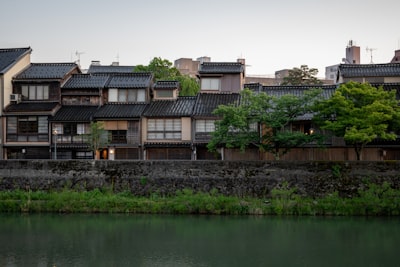
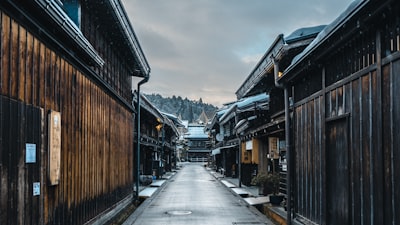
Kanazawa castle park and kenroku en garden are best visited together — allow a full half-day for both. From the garden, the Higashi Chaya geisha district is a 20-minute walk northeast and the Nagamachi samurai district is about 15 minutes southwest. The ninja temple in the Teramachi area requires advance booking but is worth adding to any trip built around kenroku-en. Today kanazawa is named one of the most rewarding cities in Japan to visit — and kenroku en is the reason most people come.